Shanghai’s genuinely free list is short. The Bund promenade, People’s Square, most ordinary city parks and two major national museums cost nothing to enter. Past that list, caution is warranted. Several landmarks that travel blogs still describe as free now charge for part of the experience, or require an advance booking that works, in practice, as the same gate. This article names them, with the current rule for each.
What actually costs nothing
The Bund’s riverside walkway — the public promenade along the Huangpu, not the tunnel beneath it or the towers across it — is open around the clock and has no ticket of any kind. People’s Square, the park and plaza above People’s Square metro station, is the same: open land, no gate. Most of the city’s ordinary district parks dropped entrance fees years ago, a change that spread across Chinese cities in the early 2000s as municipal governments reclassified parks as public infrastructure rather than paid attractions.
Museums are the other genuine free category, and the largest one. Under a nationwide policy dating to 2008, China’s major state-run museums stopped charging general admission. Shanghai Museum and the China Art Museum both fall under this rule. Neither is a walk-in, though: both require an advance reservation through a Chinese booking app, made with a passport, and the Shanghai Museum’s own site is where that reservation is made and where current hours are confirmed — see our separate piece on booking a free Shanghai museum for how the process actually works.
Where “free” quietly stopped being the whole story
The confusion is rarely about these headline sights. It is about what sits inside or beside them. A temple complex can be free to enter and still charge for its main hall. A garden can share an address with a bazaar that costs nothing while the garden itself does not. A riverside walk can be free while the tower at the end of it is not, and never has been — the mistake is assuming proximity means the same rule applies. The table below checks six specific cases.
| Landmark | Common assumption | Current structure | Where to confirm |
|---|---|---|---|
| Jade Buddha Temple (Yufo Chansi), Jing’an district | One temple ticket covers everything inside | Grounds entry is one ticket; the hall holding the jade Buddha itself is a separate, second ticket | Temple notice board; see our detail piece on the Jade Buddha Hall second ticket |
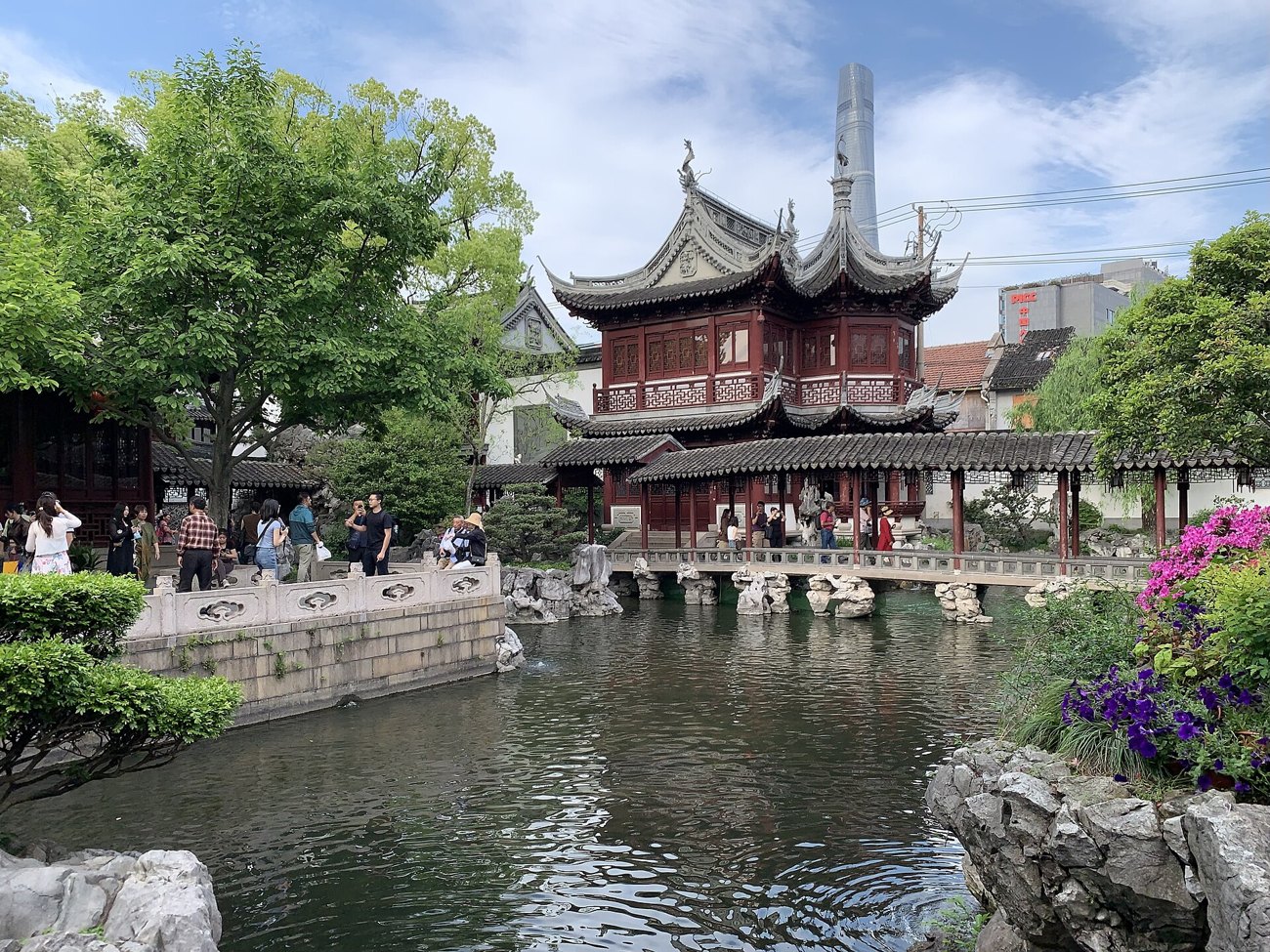
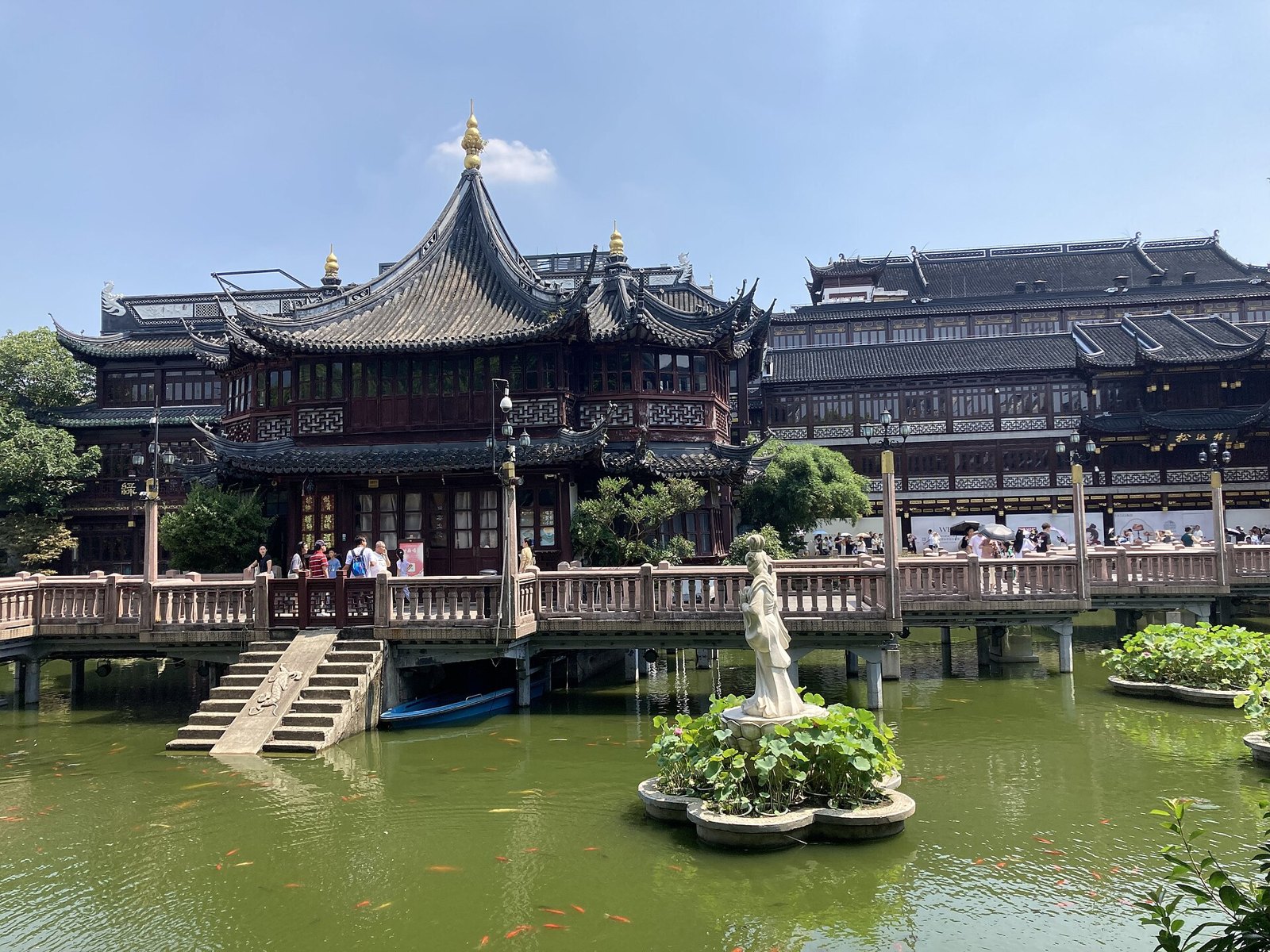
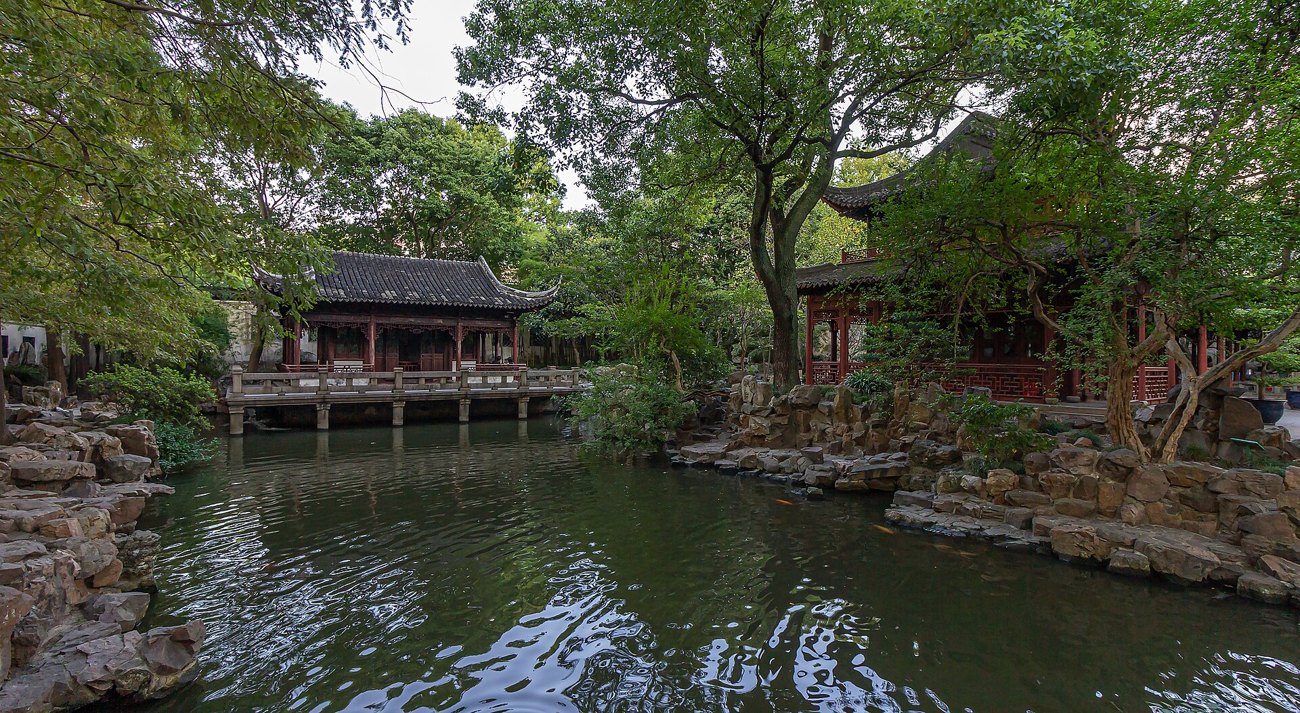
| Yu Garden (Yuyuan), Huangpu district | “Yu Garden is free” — because the surrounding bazaar is | The Ming-dynasty garden itself charges admission; only the commercial lanes and market street around it are free to walk | Yuyuan Tourist Mart’s own ticketing page |
| Bund Sightseeing Tunnel and the Pudong observation decks (Oriental Pearl Tower, Shanghai Tower, Jinmao Tower) | If the Bund is free, the crossing and the towers must be too | The promenade is free; the tunnel under the river and each tower’s observation deck charge separately, booked through their own apps | Each operator’s own site |
| Century Park, Pudong | All Shanghai parks are free now | True for most district parks; this large Pudong park is a named exception that still charges a token entrance fee | Park management listing, confirmed on site |
| Shikumen Open House Museum, inside Xintiandi | Xintiandi’s lanes are free, so everything in them is | The lanes themselves are free to walk; this restored shikumen house, kept as a period museum, has its own admission | Venue signage at the entrance |
| Shanghai Museum and China Art Museum | Free museums mean walk-in | Admission is genuinely free; entry still requires a timed reservation made in advance with a passport | Each museum’s own site |
None of these are secret fees. Each is published on the venue’s own signage or site. The pattern is simply that a free public space can contain a separately managed, separately ticketed enclosure, and no amount of general knowledge about “Shanghai parks” or “the Bund” tells you what that enclosure charges.
Why this keeps catching people out
Most of these landmarks did not raise a fee that used to be zero. The garden at Yu Garden has charged admission for decades; the confusion is that the bazaar outside it, which is free, shares the same name in casual writing. The genuine recent change is procedural rather than financial: more of these venues now require a booking made through Alipay or WeChat rather than a ticket bought at a window, which means a visitor without a working Chinese payment app can be turned away from something that costs nothing at all. Setting one up before flying, not at the gate, is covered in our guide to setting up Alipay or WeChat Pay with a foreign card.
Free still depends on a working phone
This is really the point of the whole list. A free museum behind a booking app is not free in practice to someone who cannot open the app. Google Maps does not work in mainland China, so offline maps and a local app like Amap matter before any of this starts — our rundown of what does not work in China covers the blocked services and the two-factor logins that can fail alongside them. None of this costs money. All of it needs preparation that happens before arrival, not after.
Getting to and from a free sight
The free landmarks above are spread across the city, and the metro is how most visitors reach them. Fares are distance-based and paid by tapping in and out, a system with a genuine trap for anyone who forgets the second tap — explained in our piece on paying for the Shanghai Metro. The network also closes earlier than many first-time visitors expect, somewhere between about 22:00 and 23:00 depending on the line, well before most restaurants shut; our guide to last train times sets out why that matters for an evening Bund walk in particular.
Access Shanghai is written from published, checkable sources rather than firsthand visits; how that work is done, and funded, is set out on our about page.
Shanghai Museum’s own site publishes its current reservation system and exhibition schedule: shanghaimuseum.net. Shanghai Metro’s operator, Shanghai Shentong Metro Group, publishes the live network map and operating hours by line at shmetro.com. Yuyuan Tourist Mart Group, which manages the garden precinct, lists current admission on its own corporate site at cnyuyuan.com.

Access Shanghai is an independent guide written from published, checkable sources. We have not visited the places described here and we do not publish personal recommendations or invented ‘local favorites’ — where something is singled out as notable, we say who says so. Opening times, fares, closures and prices change at short notice, so treat everything here as a starting point and confirm with the museum, operator or venue directly before building a day around it. We give no advice on visas, insurance, health or safety; use your own government’s official guidance for those.
Featured image: Photo by Chainwit., source, CC BY 4.0
