Food & Drink
美食 · MĚISHÍ
Xiaolongbao or shengjianbao, a breakfast gone by ten, hairy crab in season, and how to order from a QR code you cannot read.
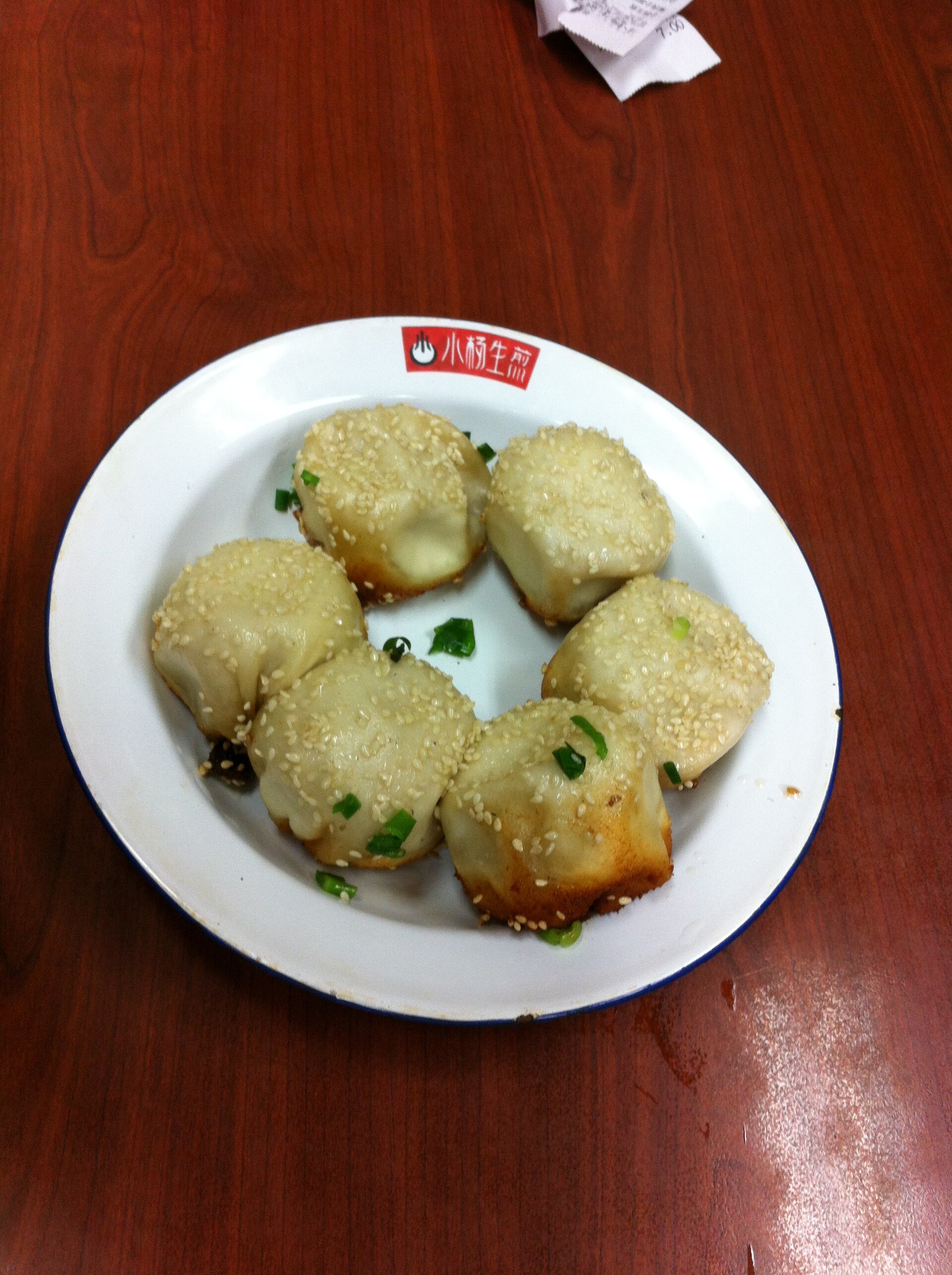


Two dumplings, and everyone confuses them
⭐ Xiaolongbao are steamed, thin-skinned, filled with pork and hot soup, eaten from a bamboo basket. Shengjianbao are thicker, leavened, and pan-fried so the bottom is crisp — and they are the more particularly Shanghainese of the two. If you order one expecting the other you will be disappointed by something excellent.
⚠️ Both are full of scalding liquid. Bite a small hole, drink, then eat. This is not a refinement; people burn themselves on these constantly.

What else is actually local
Shanghainese cooking is sweeter and more soy-heavy than most Chinese regional food. Look for 红烧肉 hongshaorou, red-braised pork belly; scallion oil noodles, which are three ingredients and completely addictive; drunken chicken, cold and poached in wine; and soup noodles for breakfast.
⭐ Hairy crab is the seasonal event — roughly October and November, steamed whole, eaten with vinegar and ginger, and taken extremely seriously.
.jpg)
Breakfast is the meal to get right
The "four warriors" of a Shanghai breakfast are sold from small shops and hatches in the morning and gone by ten: fried dough sticks, soy milk, a rice roll, and a griddled flatbread. It costs very little, it is what the city actually eats, and it is the easiest authentic meal to have here because nobody is aiming it at you.
How ordering works now
⚠️ Many restaurants have replaced menus with a QR code on the table. You scan it, order in the app, and pay there — which assumes a working Chinese payment app and a phone that handles the language. A translation app with a camera mode covers the gap. Pointing at what someone else is eating remains completely acceptable.
⭐ Nobody tips. Not in restaurants, not in taxis.
Vegetarians
⚠️ Harder than it looks. Vegetable dishes are frequently cooked with pork stock or lard, and "no meat" may be understood as "no visible pieces of meat". The reliable exception is Buddhist temple cuisine — Longhua and the Jade Buddha Temple both have restaurants, and they are strictly vegetarian by definition.
This section is being written. The guide above is the section for now. New guides go up three times a week, on Monday, Wednesday and Friday, so this page grows steadily — it is worth looking in again. In the meantime the sixteen sight pages and the plans by trip length are finished, and they are the best place to start.
Coming next in this section
- Xiaolongbao or Shengjianbao? Telling Shanghai's Two Dumplings Apart
- A Shanghai Breakfast, and Where to Find One
- Hairy Crab Season in Shanghai
- ⚠️ Vegetarian in Shanghai: Why "No Meat" Is Not Enough