The largest metro network on earth, and it shuts early
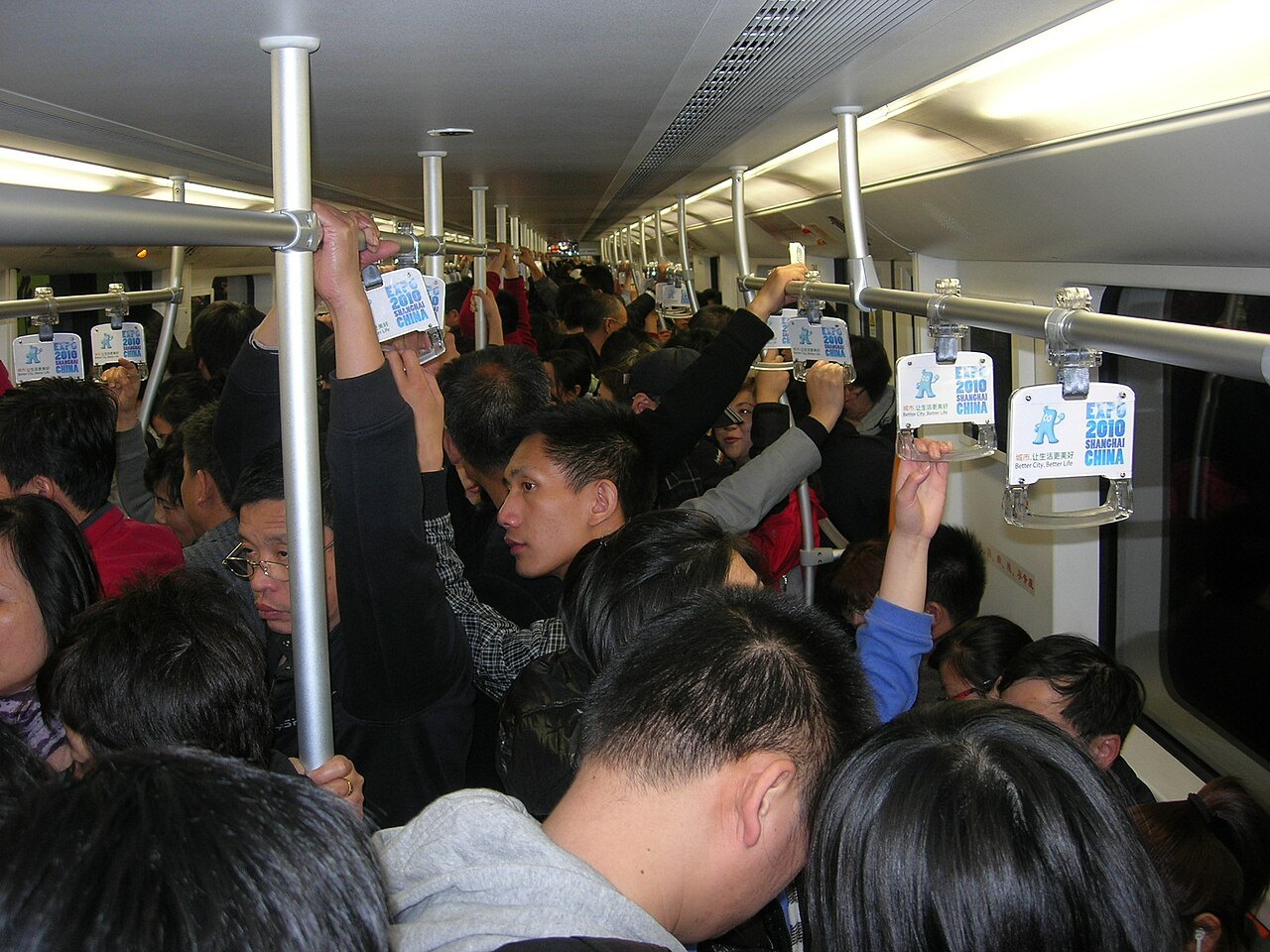
Shanghai's metro runs to something over twenty lines and more than eight hundred
kilometres of route, which makes it the largest urban rail network in the world. It is clean, it is
signed in English throughout, trains come every few minutes, and it will take you to almost
everything on this site.
Services stop somewhere between roughly 22:00 and 23:00, depending on the line
and the direction. That is hours earlier than Tokyo, Seoul or London, and it is the single thing
that most often strands a visitor here — because the restaurants, bars and streets are still busy
when the trains have gone.
Each platform posts its own last departure. Look at it at the start of the evening, not at the
end.
The fallback is a taxi, and after the metro closes on a Friday in a nightlife district that
means an app rather than the kerb.
⭐ A QR code in Alipay or WeChat. Open the transport code, scan at the gate,
scan again on the way out. This is what everyone around you is doing and it needs no card, no
deposit and no queue.
A physical transport card, bought and topped up at a station service window
with cash. Works everywhere, needs a deposit, and is the only option if you are not setting up a
payment app.
⚠️ Single-journey tickets from the machine. These work, but you need the fare
zone and the machines take cash and domestic payment only — this is the slow, awkward option and
it is the one most visitors default to.
⚠️ You must tap or scan out as well as in. Fares are distance-based.
Taxis, and why the app matters
Taxis are metered, plentiful and cheap by international standards. ⚠️ But drivers very
often speak no English, and street-hailing after dark can be genuinely difficult. The
answer both problems is DiDi, which has an English interface, holds the
destination in Chinese so nothing is lost in translation, and pays through the app.
⛔ Take licensed taxis from official ranks at airports and stations. The people approaching you
inside the terminal are not them.
The Maglev, which is a novelty and occasionally useful
The magnetic-levitation line runs from Pudong Airport to Longyang Road at up to
430 km/h and covers the distance in around seven minutes. ⚠️ It does not go to the centre — you
change to the metro at the far end — so it saves less time than the speed suggests. Ride it once
because it is remarkable; use metro line 2 or a taxi when you actually have luggage and a hotel.
Walking and cycling
The old centre, the Bund and the former French Concession are all genuinely walkable and the
Concession is one of the best walking districts in Asia. ⚠️ Shared bicycles are everywhere and are
unlocked through — again — an app; the bike lanes are wide, busy, and shared with silent electric
scooters coming from both directions.
The Shanghai Metro stops running years earlier than the city itself does. Most lines close between roughly 22:00 and 23:00 — hours before restaurants shut, and far earlier than the subways in Tokyo or Seoul. The exact minute depends on the line, the direction, and which station a rider is standing in. This article gives … Read more