Temples & Gardens
寺庙园林 · SÌMIÀO YUÁNLÍN
Yu Garden, Jing'an, Longhua and the Jade Buddha — all ticketed, one of them twice. What to book, and how to behave in a working temple.


The quiet half of the city, and the half that charges
Shanghai is not an old city by Chinese standards — it was a walled county town of no great importance until the 1840s — so its temples and gardens are fewer and smaller than Beijing's or Suzhou's. What it has is worth seeing, and it is nearly all ticketed.

The four
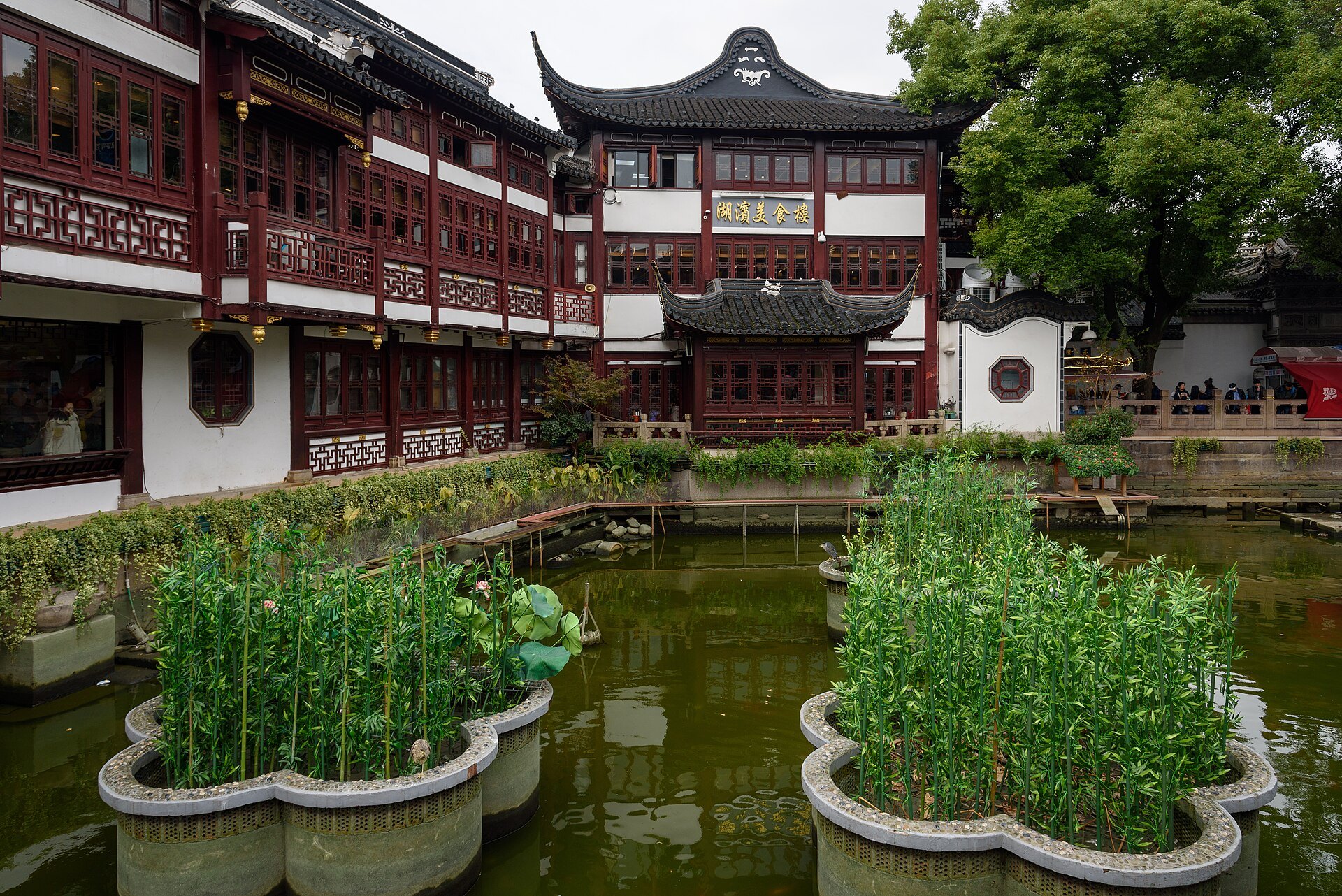
- Yu Garden — the classical garden, from 1559, and the only substantial one in the centre. ⚠️ The garden and the bazaar around it are two different things and the bazaar is free.
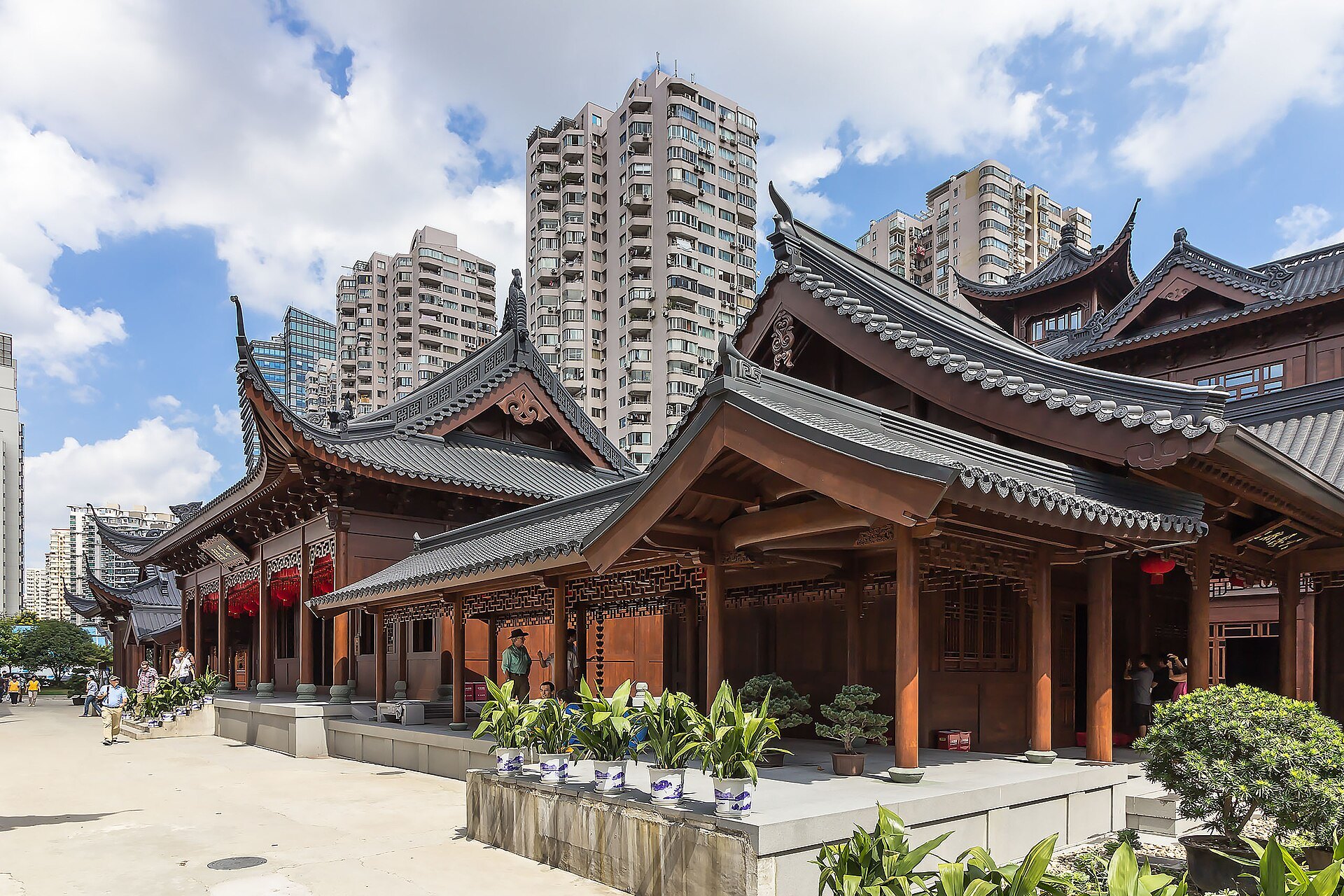
- Jade Buddha Temple — a working monastery built around two Burmese jade figures. ⚠️ The jade Buddha hall is a second, separate ticket and visitors regularly miss it.
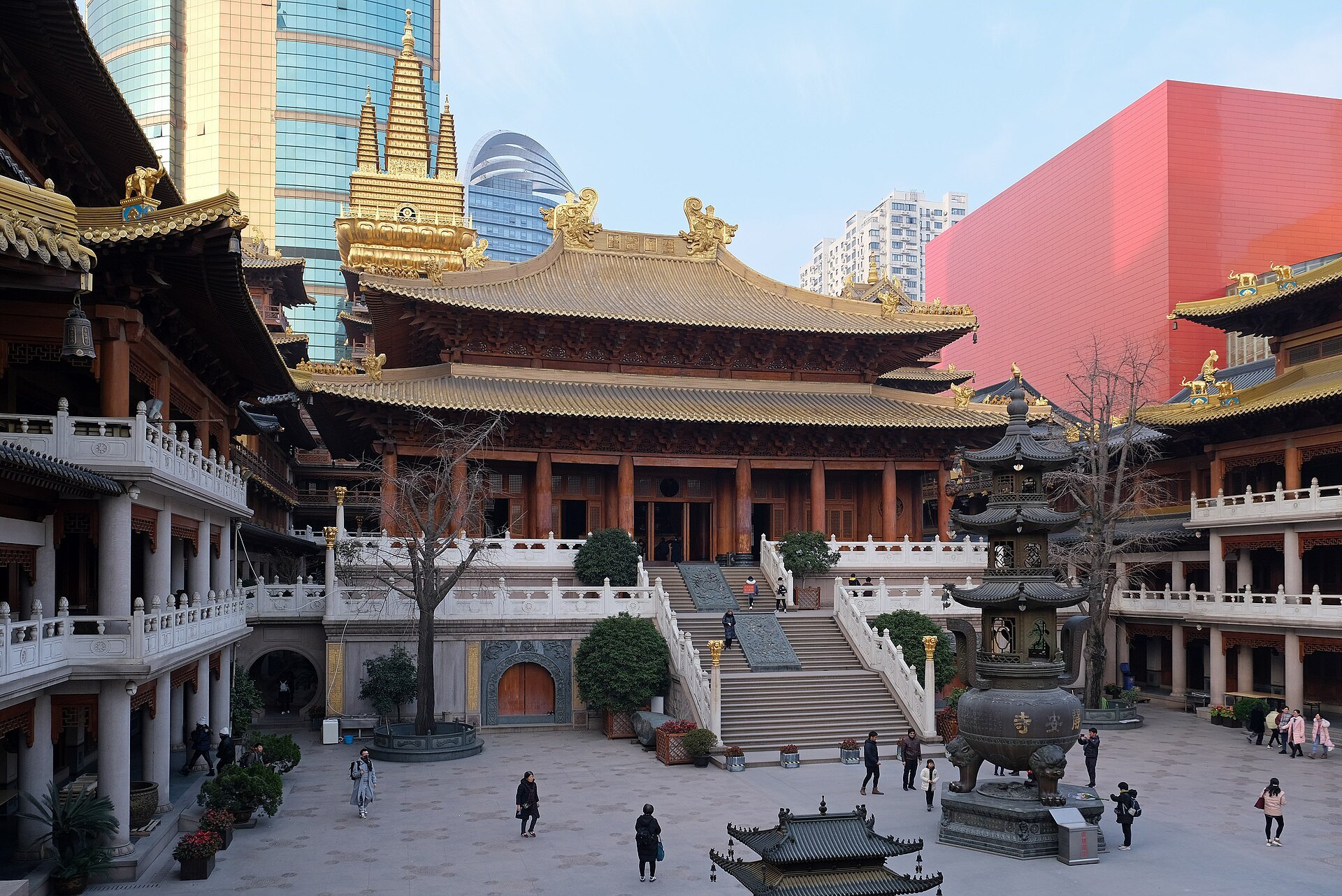
- Jing'an Temple — gilded roofs directly beneath office towers. Largely a modern reconstruction, and the famous view of it is from the street, for nothing.
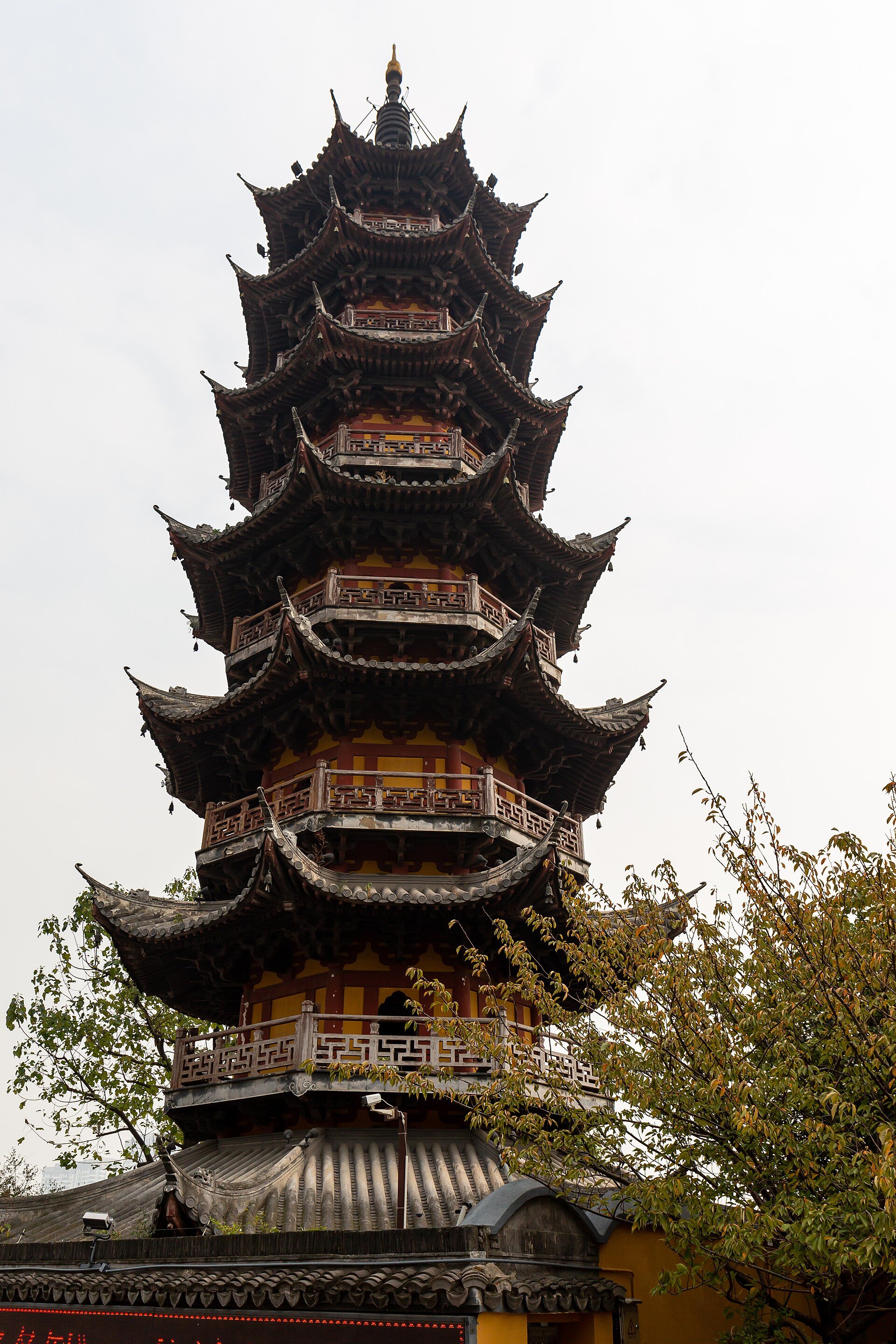
- Longhua Temple — the oldest and largest complex, well out from the centre, with a tenth-century pagoda. ⚠️ The pagoda cannot be climbed.

How to behave in a working temple
All four are functioning places of worship with monastic communities, not monuments. Dress modestly, do not photograph people at prayer, walk around the outside of a hall rather than through someone's devotions, and step over the raised threshold rather than on it.
Incense is usually sold at the gate and using it is normal for visitors — three sticks, lit, held at the forehead, placed in the burner.
Reservations and closing days
⚠️ Chinese museums and increasingly temples work on advance reservation. Check before travelling across the city, particularly for anything on a weekend or a holiday.
⛔ Chinese New Year is the exception to everything: temples are packed to capacity, Longhua rings its bell at midnight, and Yu Garden's lantern festival is one of the busiest places in the country.
This section is being written. The guide above is the section for now. New guides go up three times a week, on Monday, Wednesday and Friday, so this page grows steadily — it is worth looking in again. In the meantime the sixteen sight pages and the plans by trip length are finished, and they are the best place to start.
Coming next in this section
- ⚠️ The Jade Buddha Hall Is a Second Ticket
- Yu Garden and the Bazaar Are Not the Same Place
- ⚠️ Longhua's Pagoda Cannot Be Climbed
- How to Behave in a Working Chinese Temple