Shanghai runs on two apps you don’t have yet.
Everything works, once your phone does. The largest metro network on earth, the national museums free — and two apps standing between you and all of it.
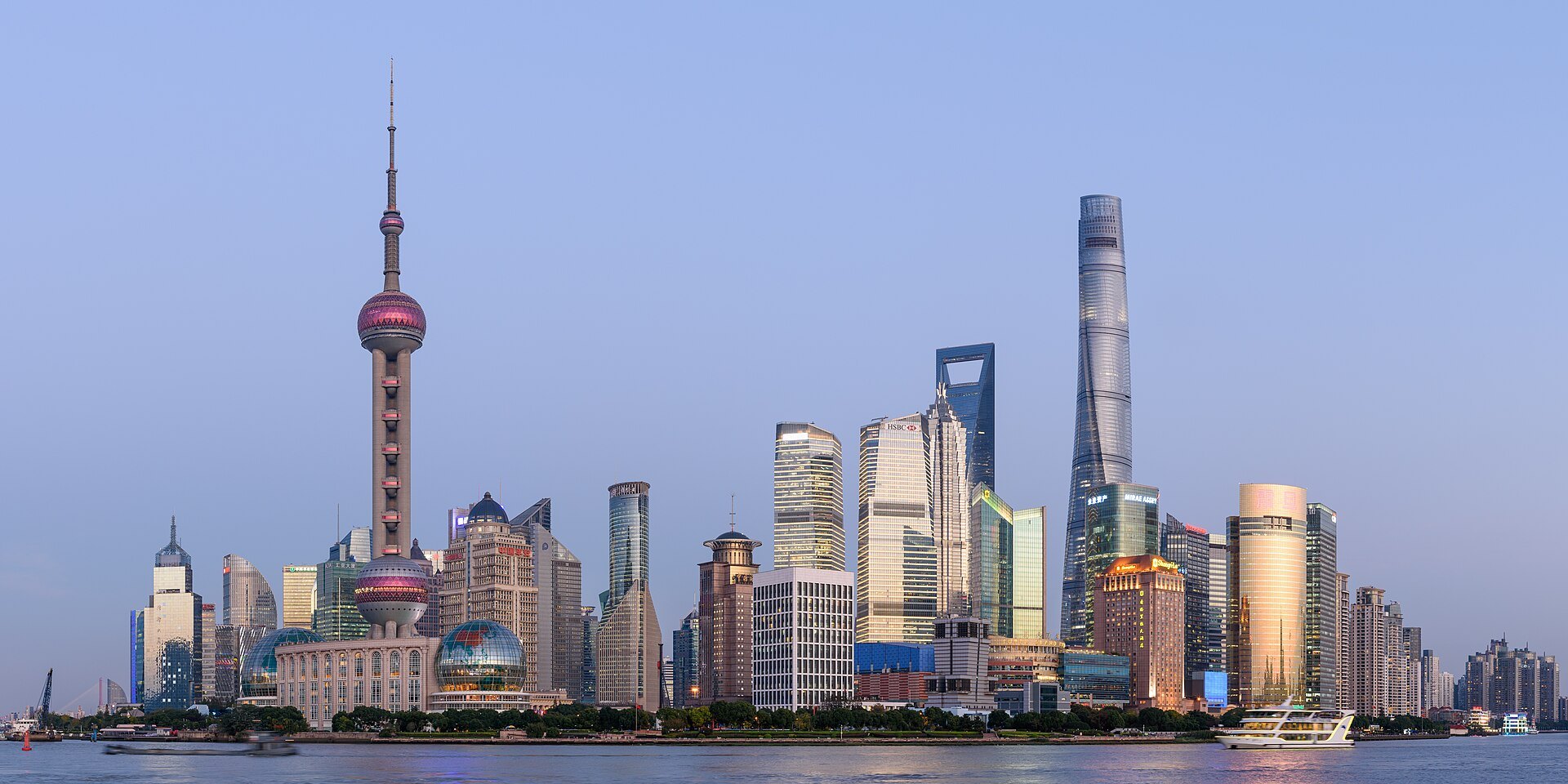
Photograph by King of Hearts, Wikimedia Commons, CC BY-SA 4.0

Population is the municipality, which is larger than the built-up city. “11 of 16” counts the sight pages here that charge no admission at all. The metro is the largest network in the world by route length. Last trains vary by line and direction — 22:00 is the figure to plan against, not a timetable, and each platform posts its own.
Four things to do before you land
Each of these decides how the week goes, and every one of them is easier at home than at the airport.
Alipay and WeChat both take foreign cards now, and between them they pay for the metro, taxis, museum bookings and almost every shop. Verification can take a day and sometimes fails first time — which is exactly why it should not be done at the airport.
Maps, Gmail, Drive, Instagram and a great deal else are unreachable from inside mainland China. Download offline maps, and check how your bank and email verify you before you travel — a two-factor login that depends on a blocked service will lock you out.
The Shanghai Museum and the China Art Museum cost nothing and are not walk-in. They need an advance reservation and your passport, and popular days sell out. Turning up hopefully is the commonest wasted morning here.
Last trains run around 22:00 to 23:00 depending on line and direction — far earlier than Tokyo or Seoul, and long before dinner finishes. Check the time posted on the platform at the start of the evening, not the end.
Start here
Eleven sections, standing on the river like the city itself — the stone bank on the left, the glass bank on the right. The tall ones in the middle are the everyday mechanics, because those are what actually go wrong.
The sixteen sights
Free first, ticketed after. Eleven of the sixteen cost nothing to enter — ⚠️ though several of those still need booking.
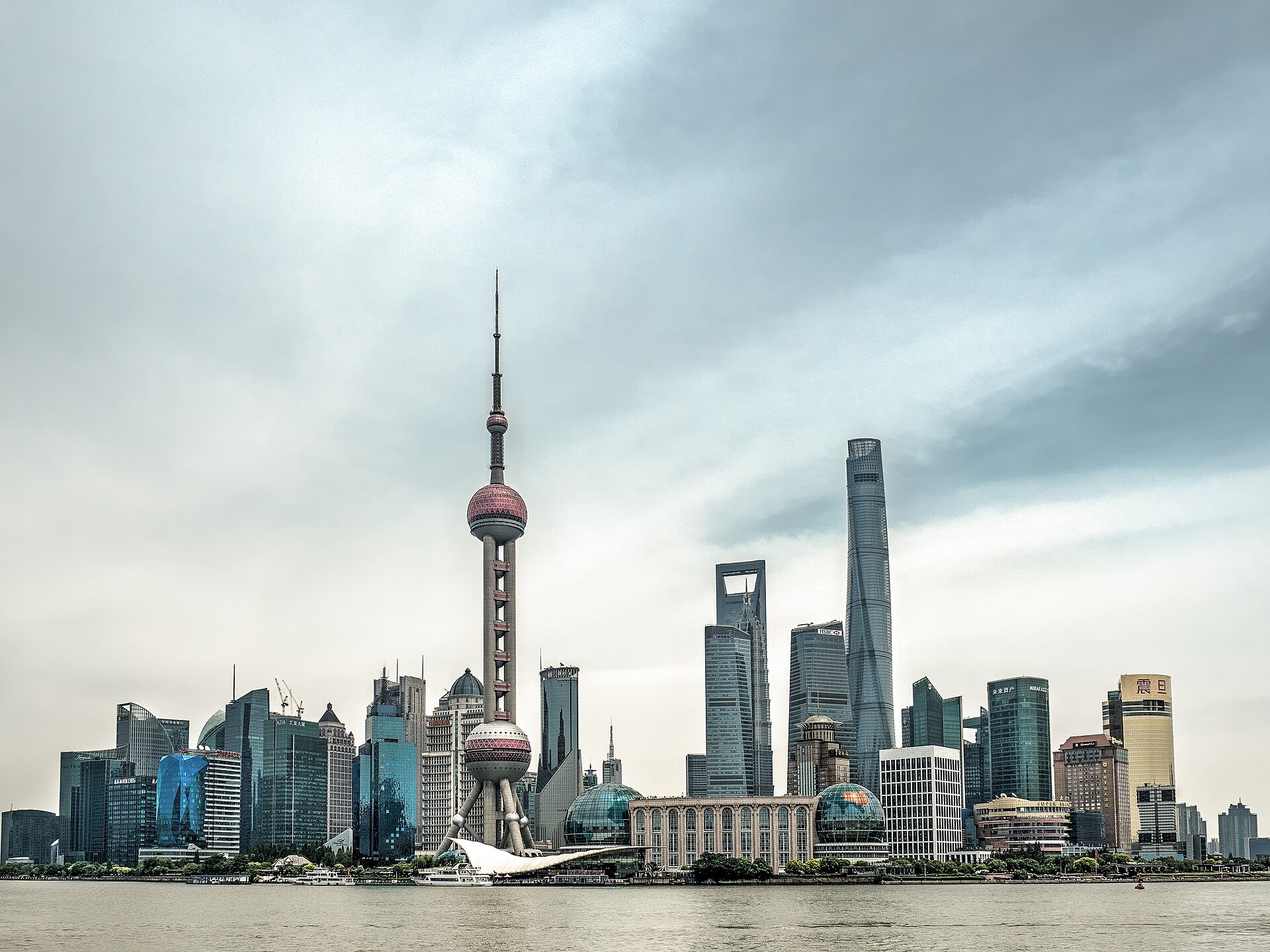 The Bund⭐ Free · never closes
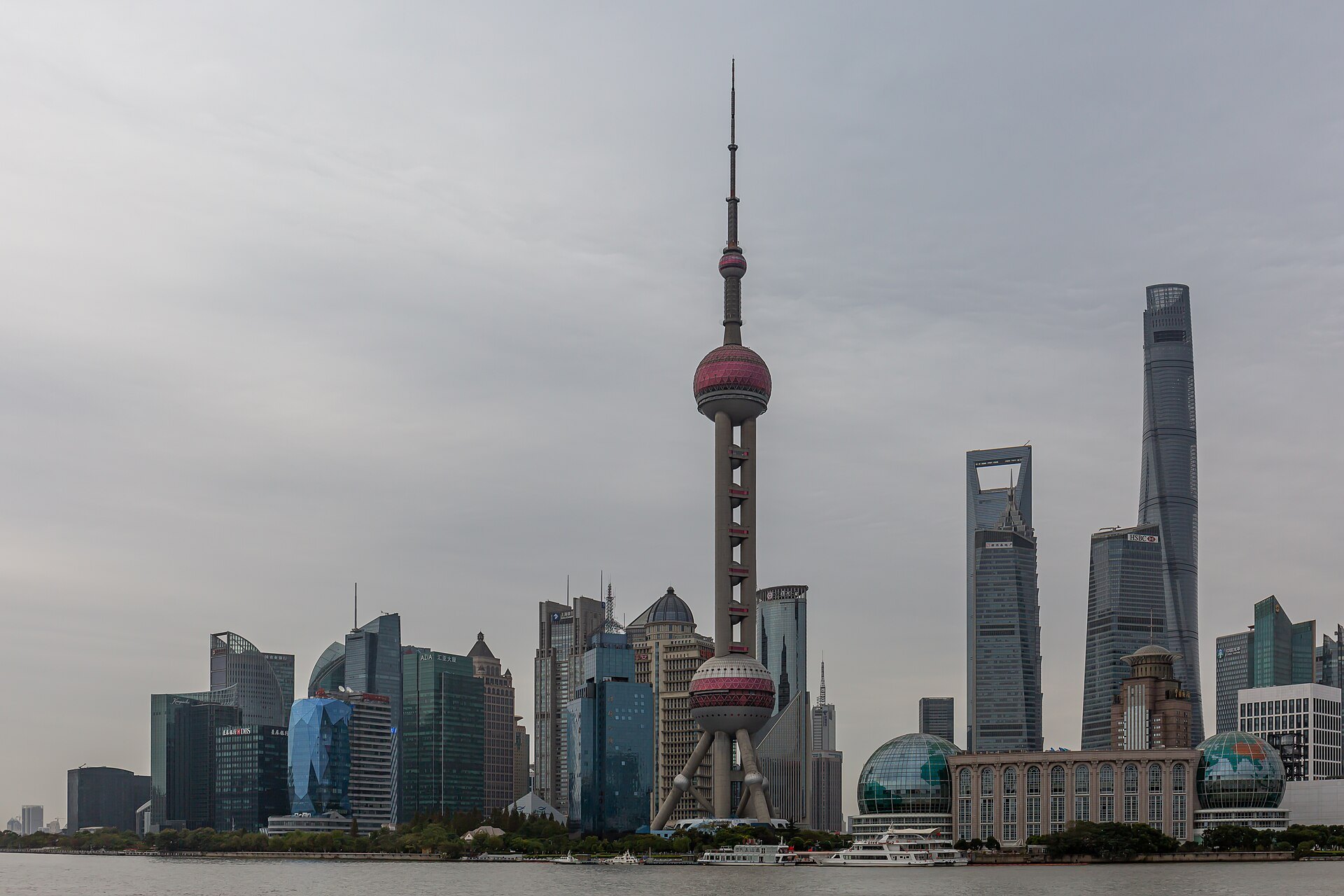 Lujiazui & the Pudong SkylineFree to walk · decks ticketed
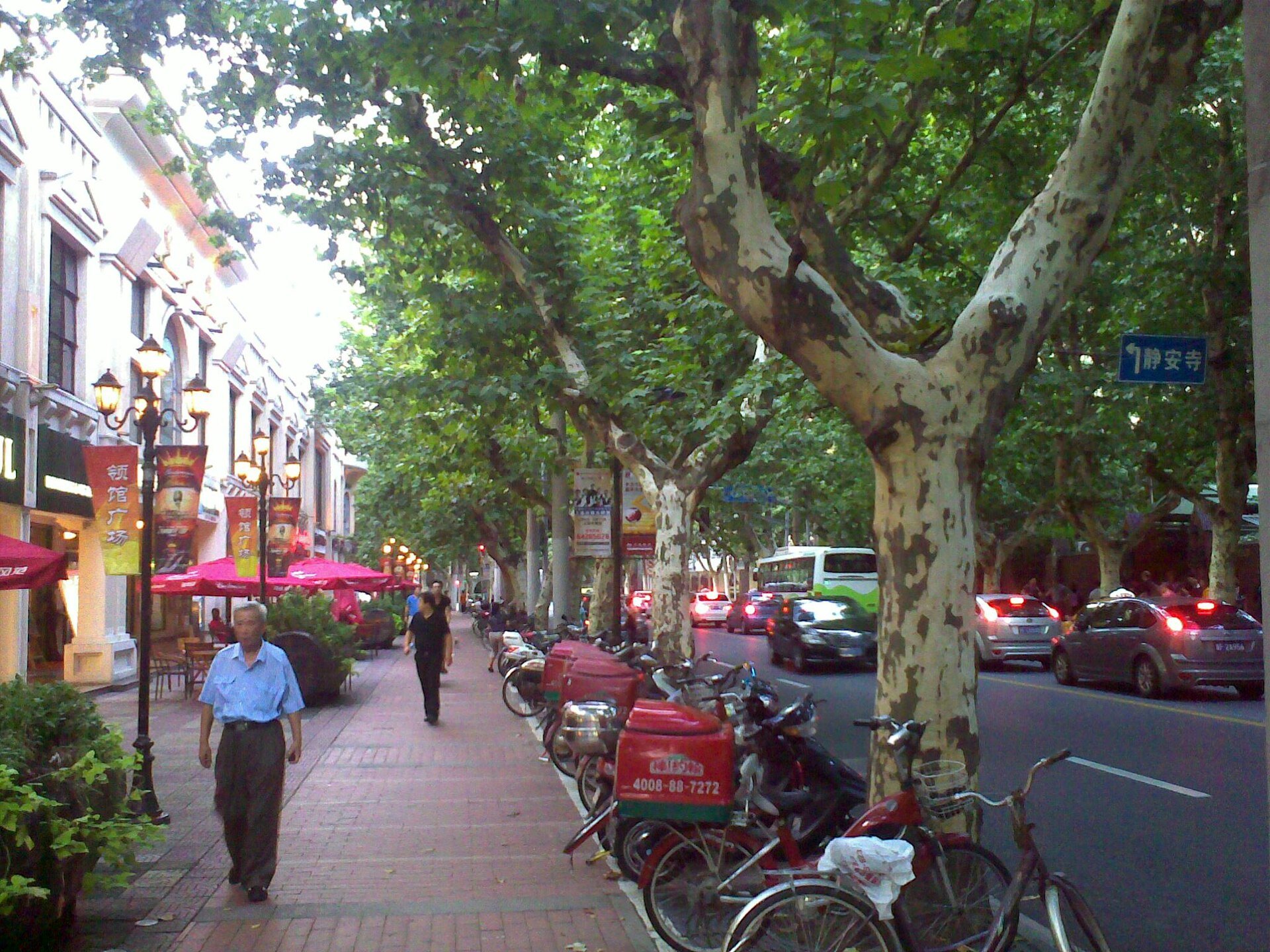 The Former French Concession⭐ Free · the best walking in Shanghai
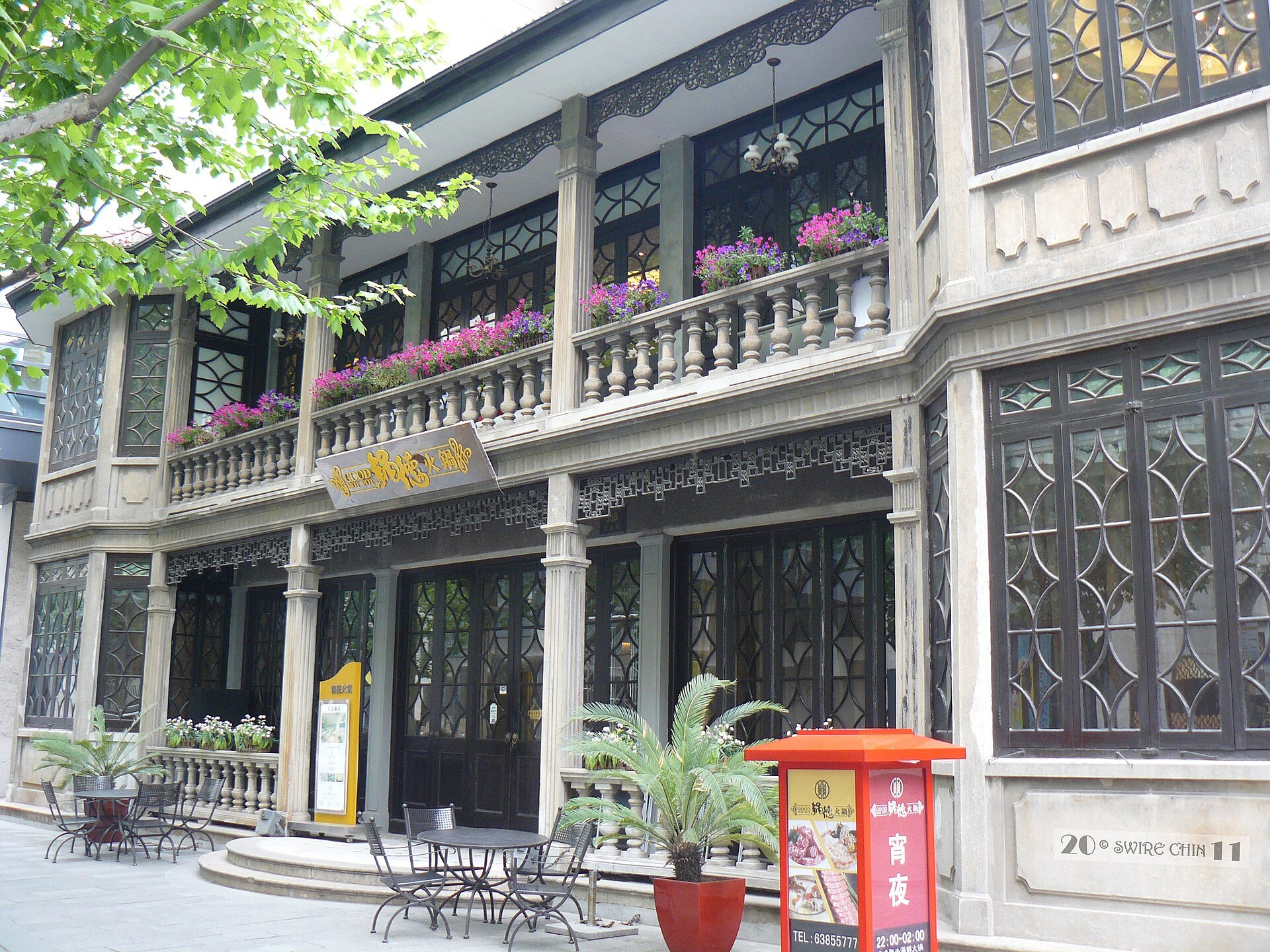 Xintiandi⭐ Free · restored shikumen
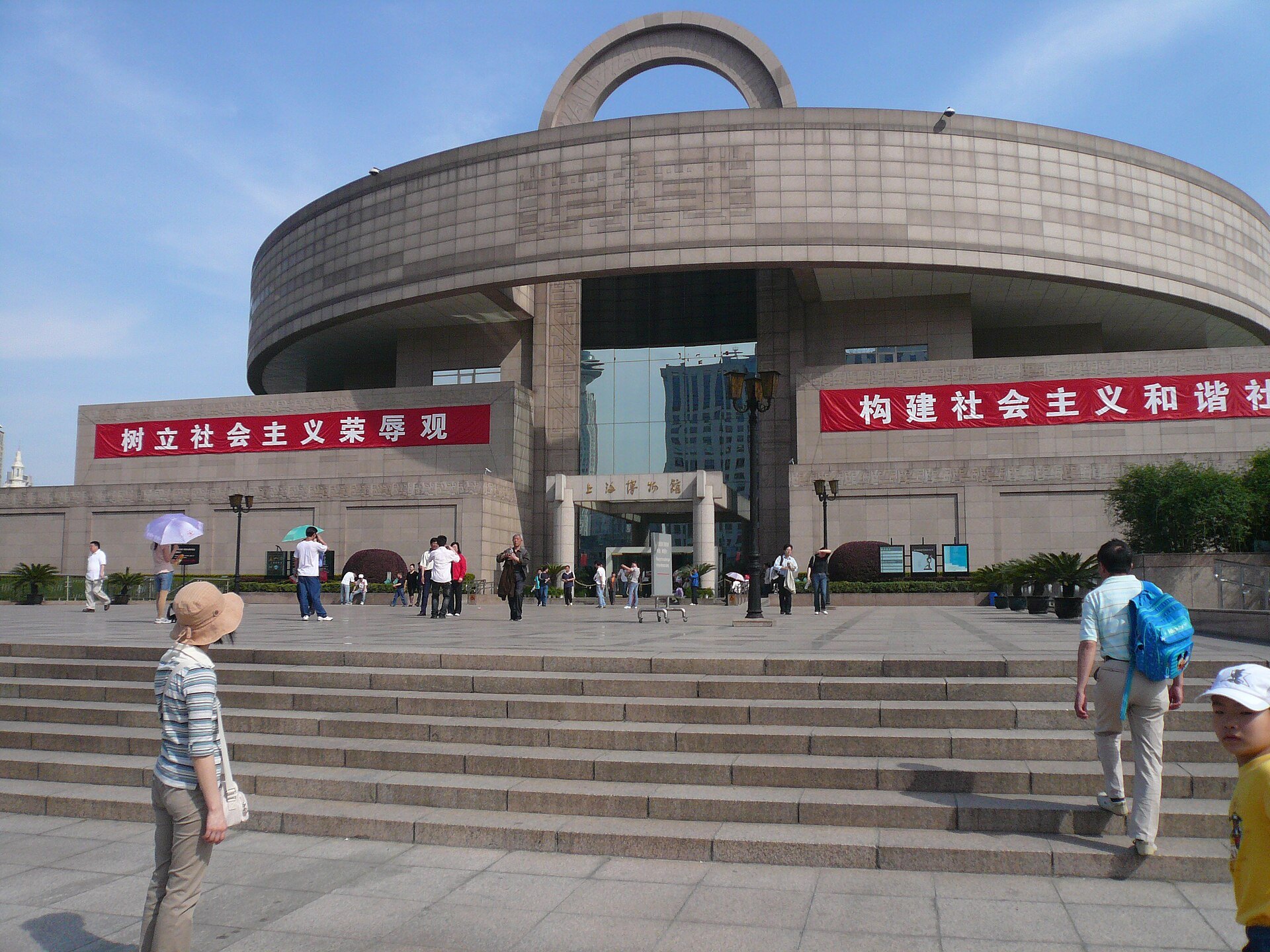 Shanghai Museum⭐ Free · book ahead
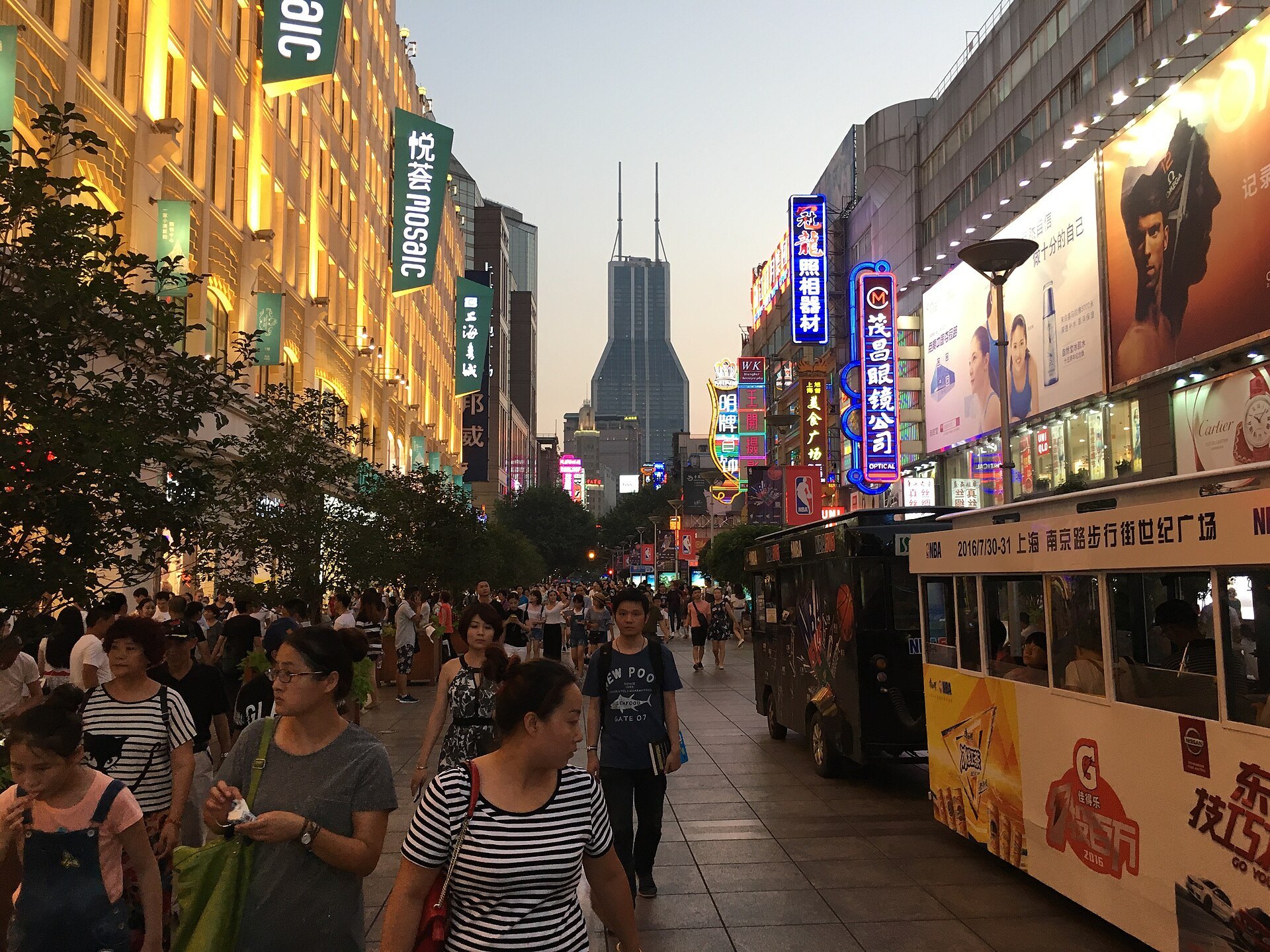 Nanjing Road⭐ Free · the shopping street
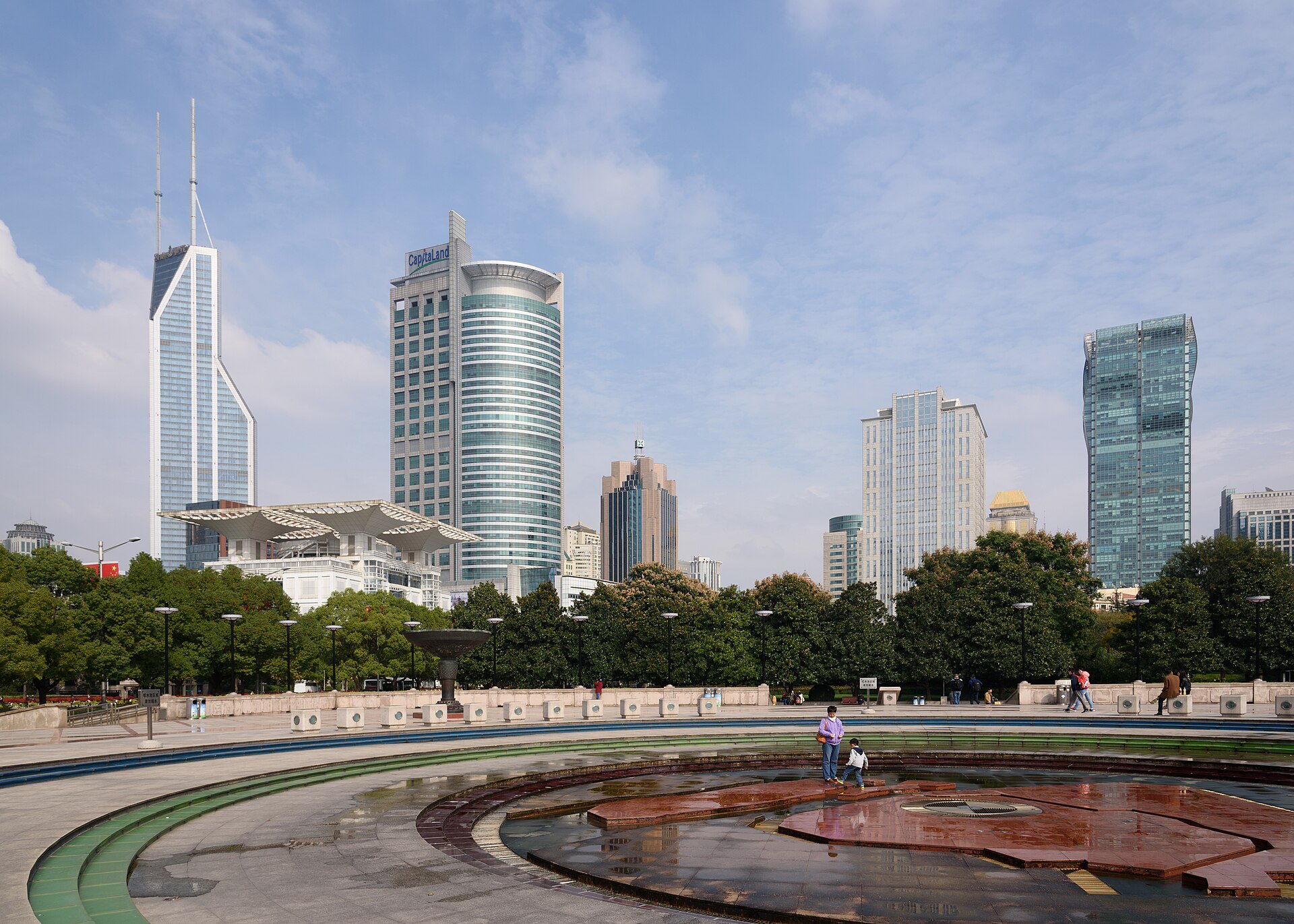 People's Square & People's Park⭐ Free · the centre of the city
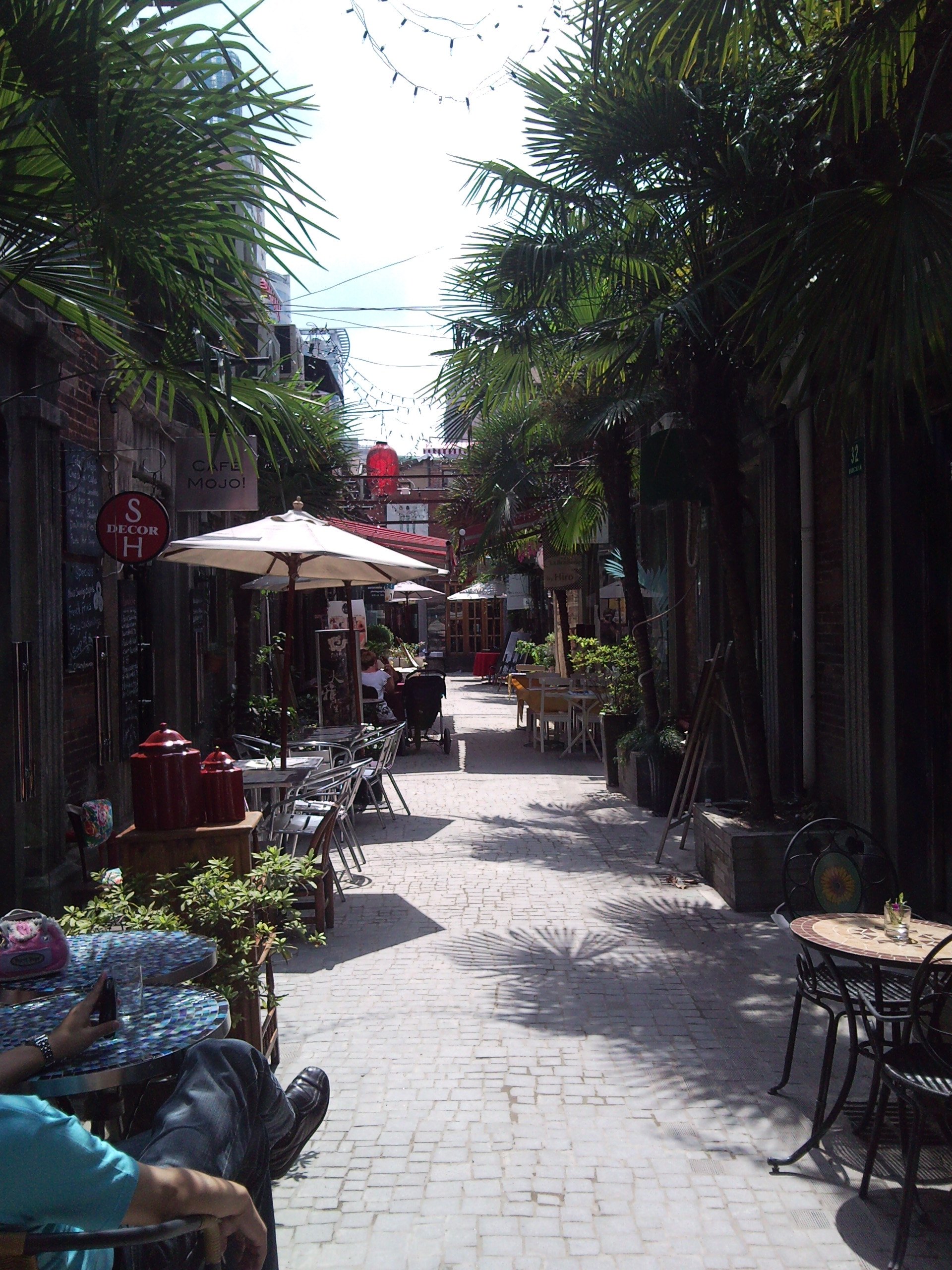 Tianzifang⭐ Free · the unrestored version
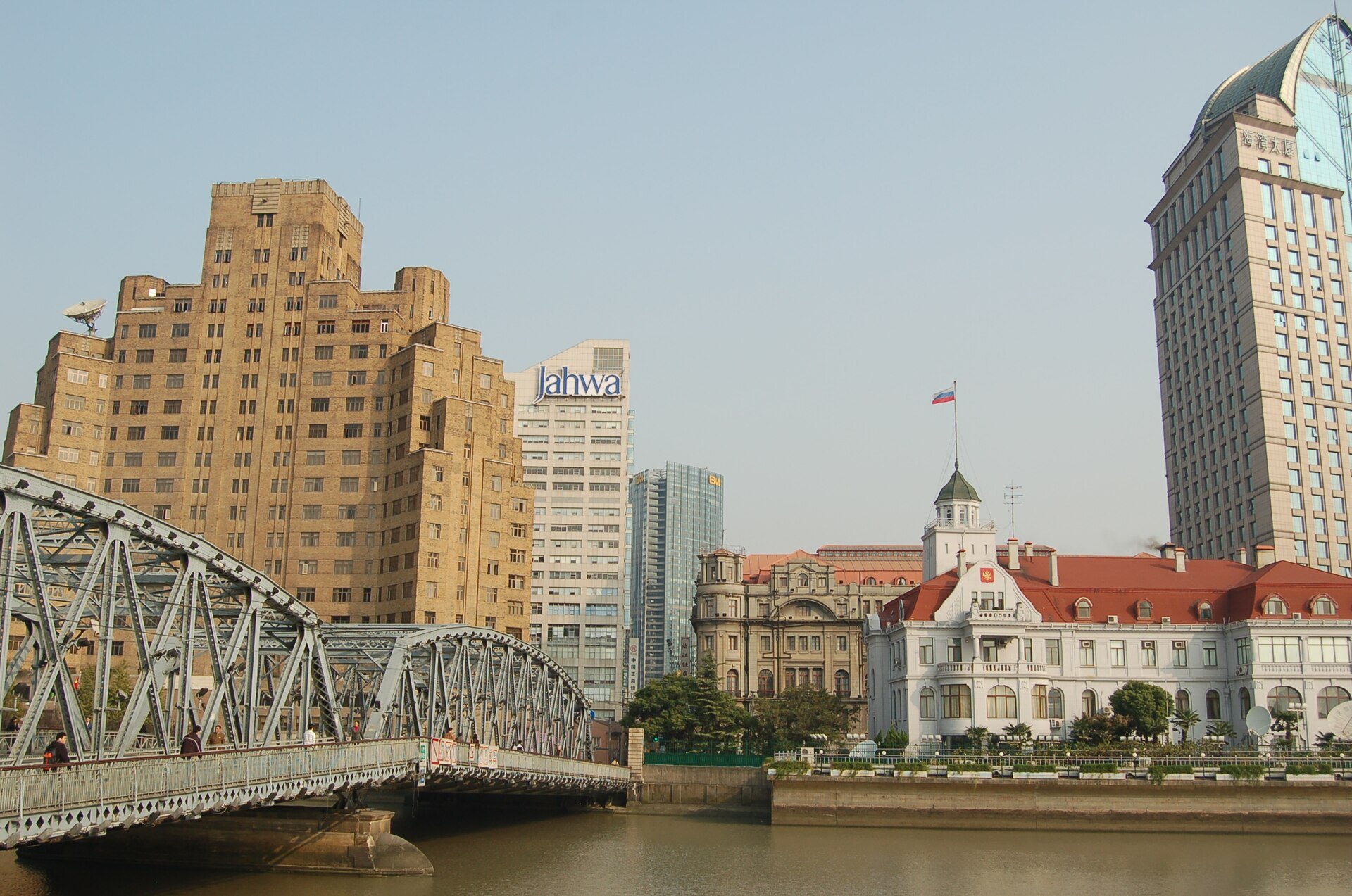 Suzhou Creek & the Garden Bridge⭐ Free · the other waterfront
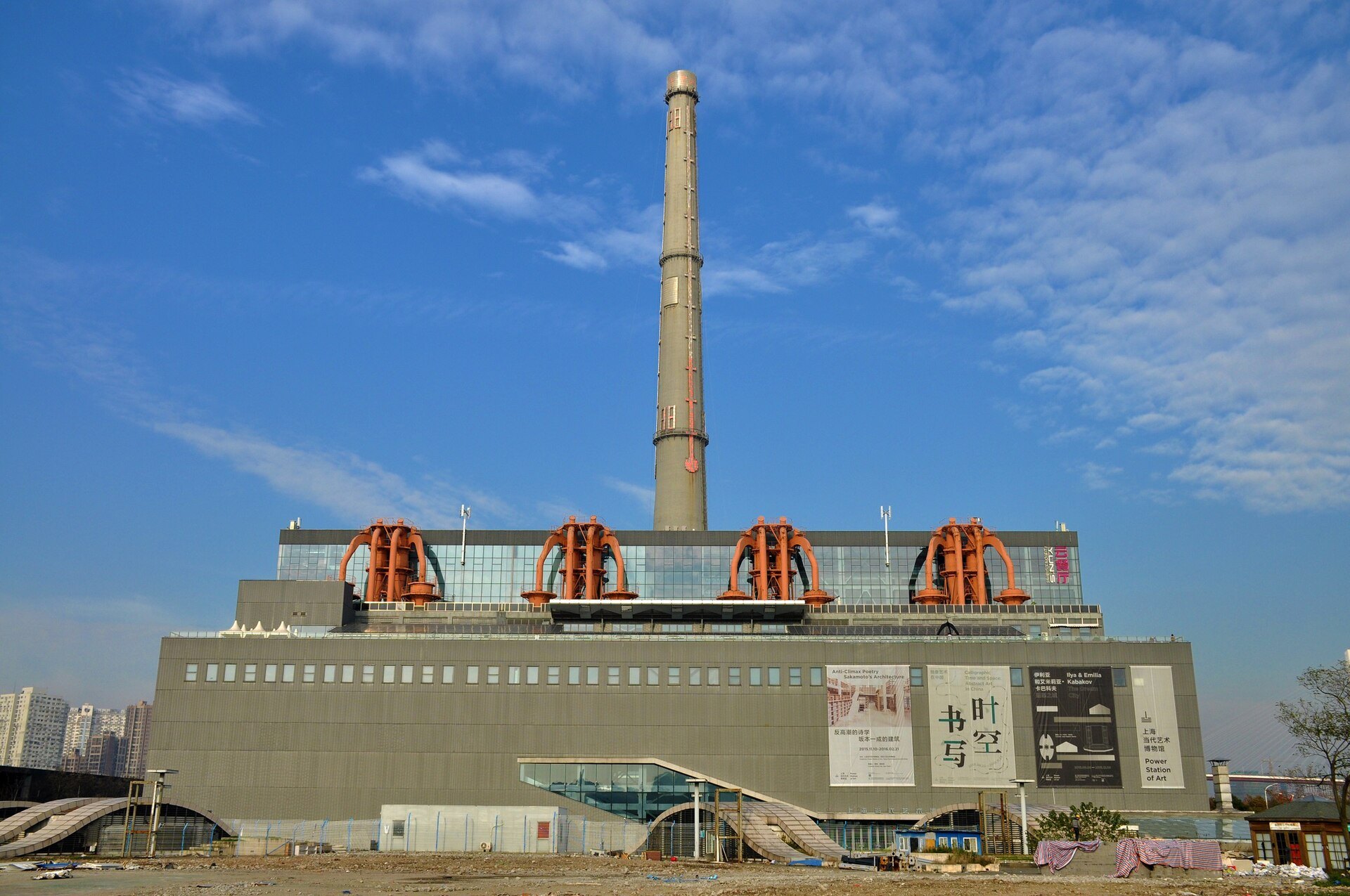 Power Station of Art⭐ Free · a converted power plant
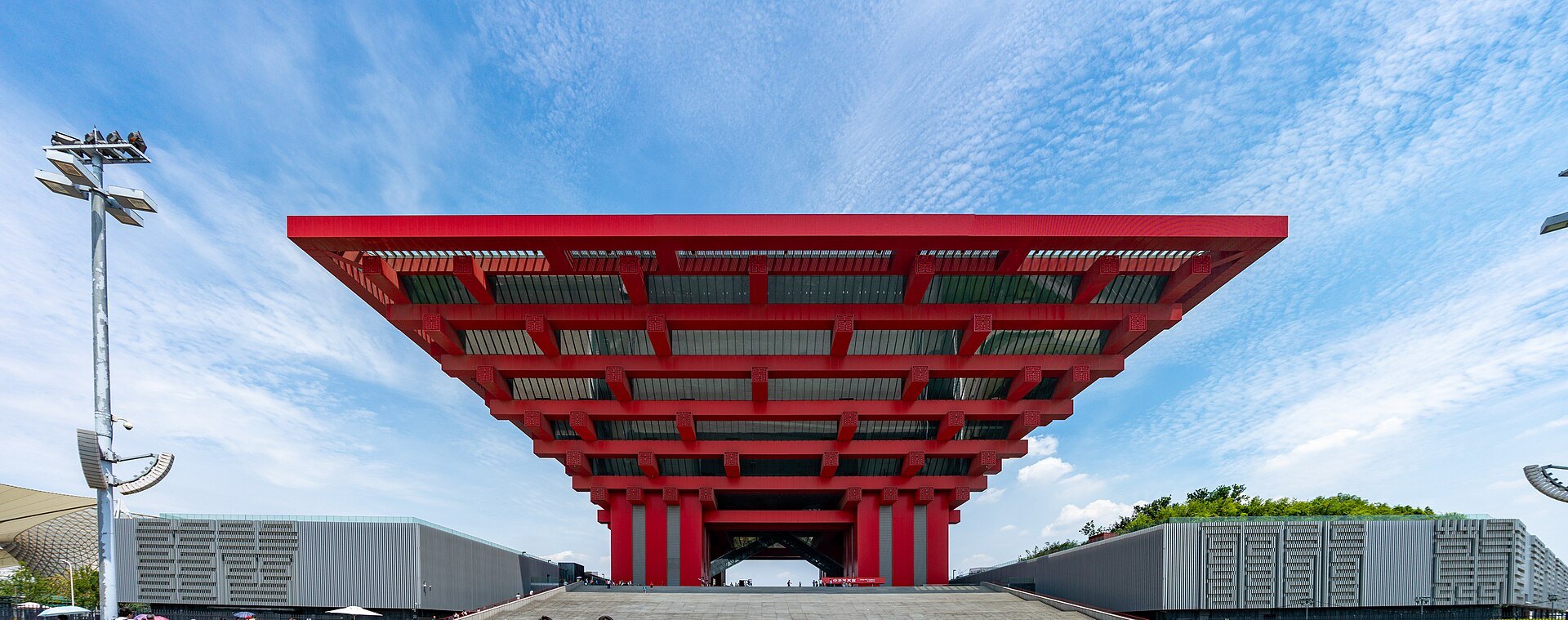 China Art Museum⭐ Free · the red Expo pavilion
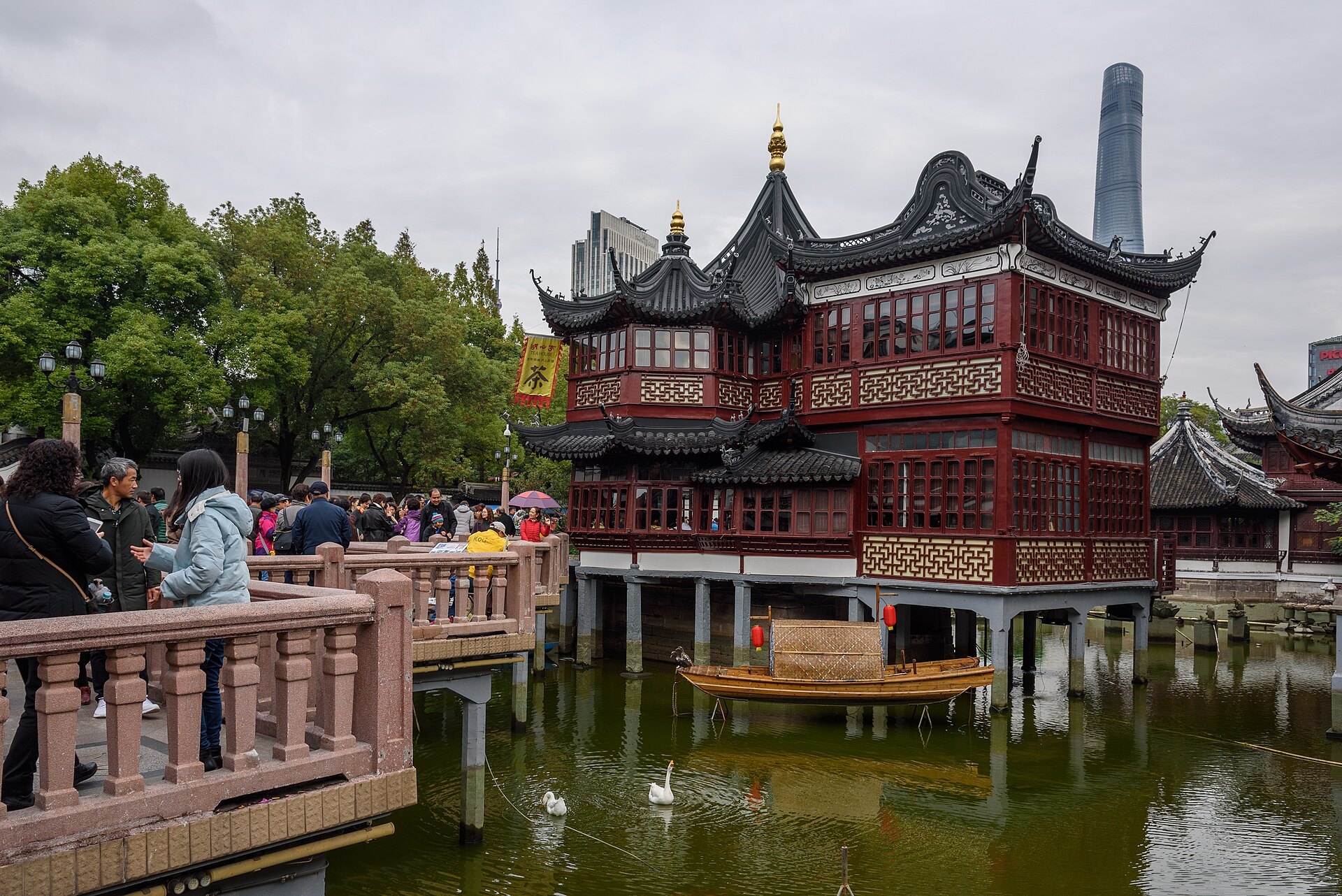 Yu GardenGarden ticketed · bazaar free
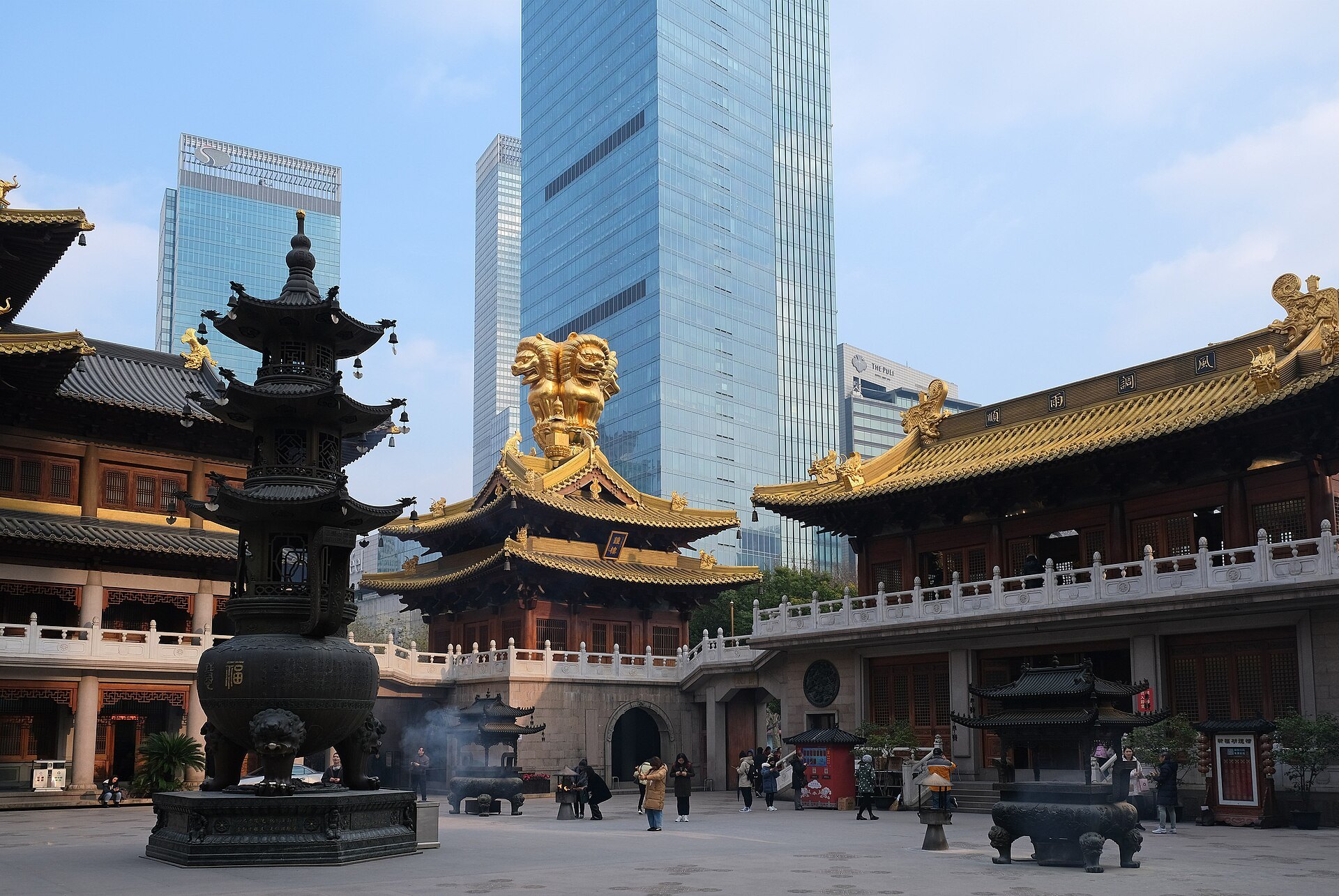 Jing'an TempleTicketed · gold against glass
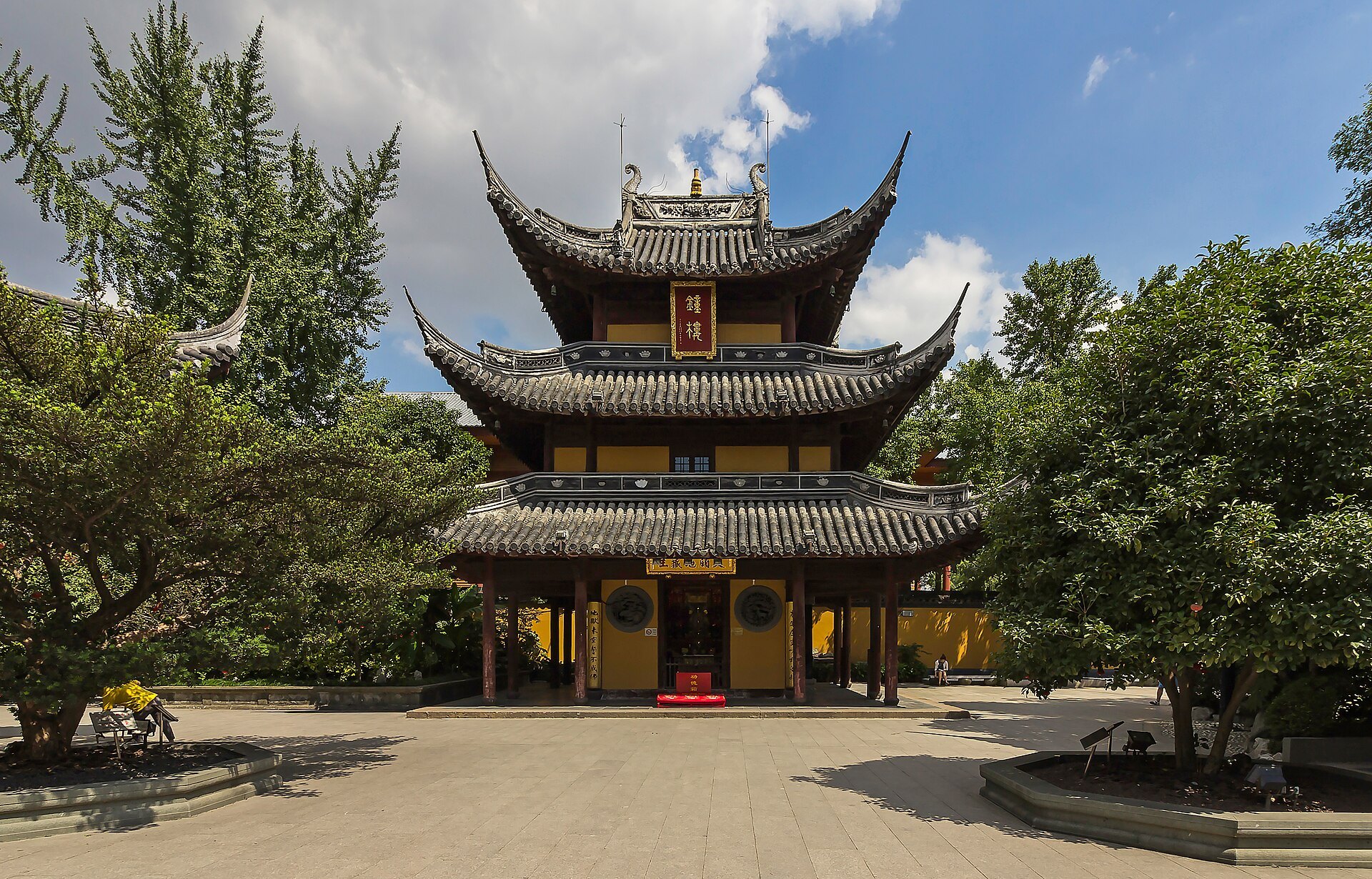 Longhua Temple & PagodaTicketed · the oldest in the city
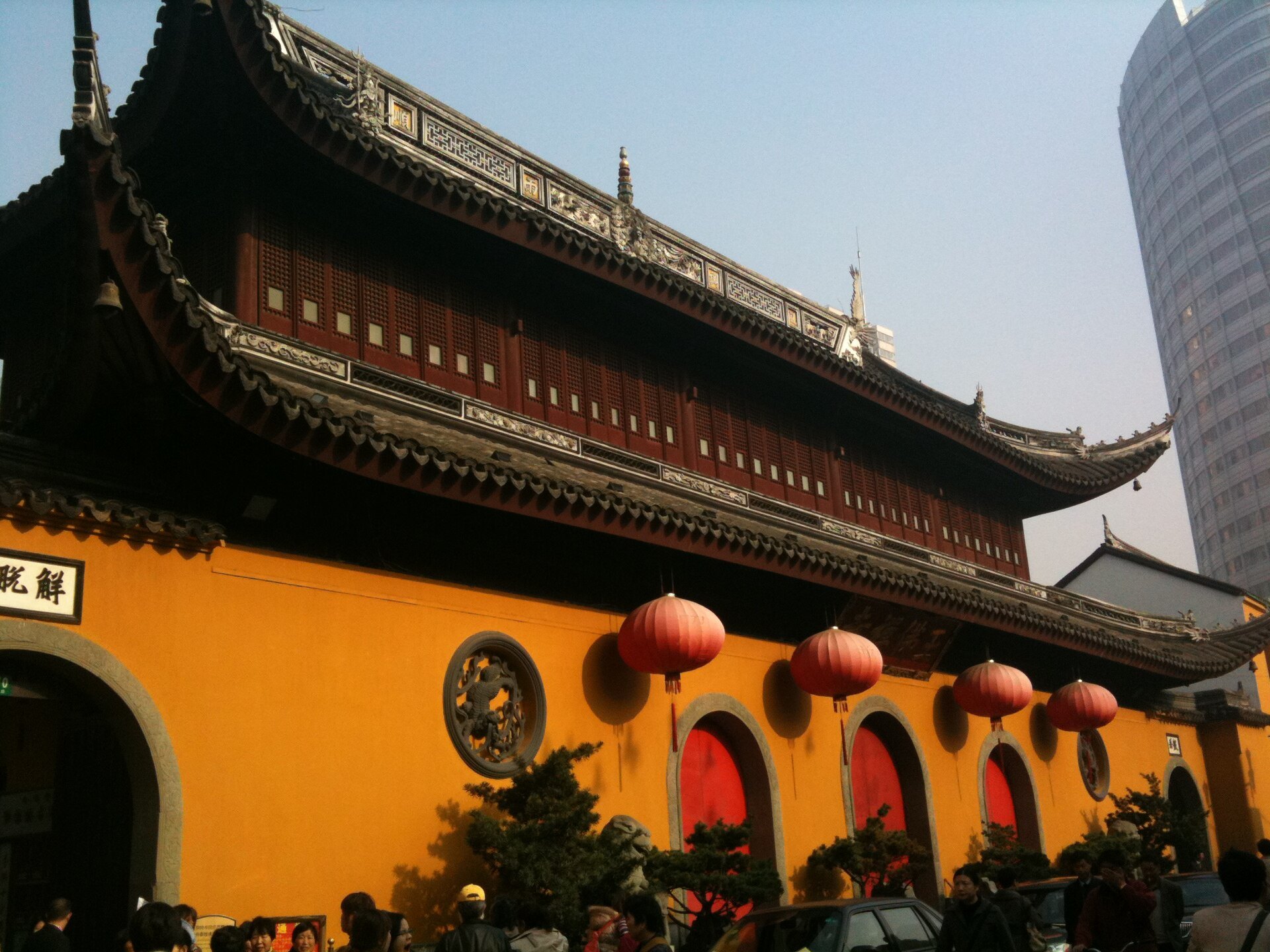 Jade Buddha TempleTicketed · extra for the jade hall
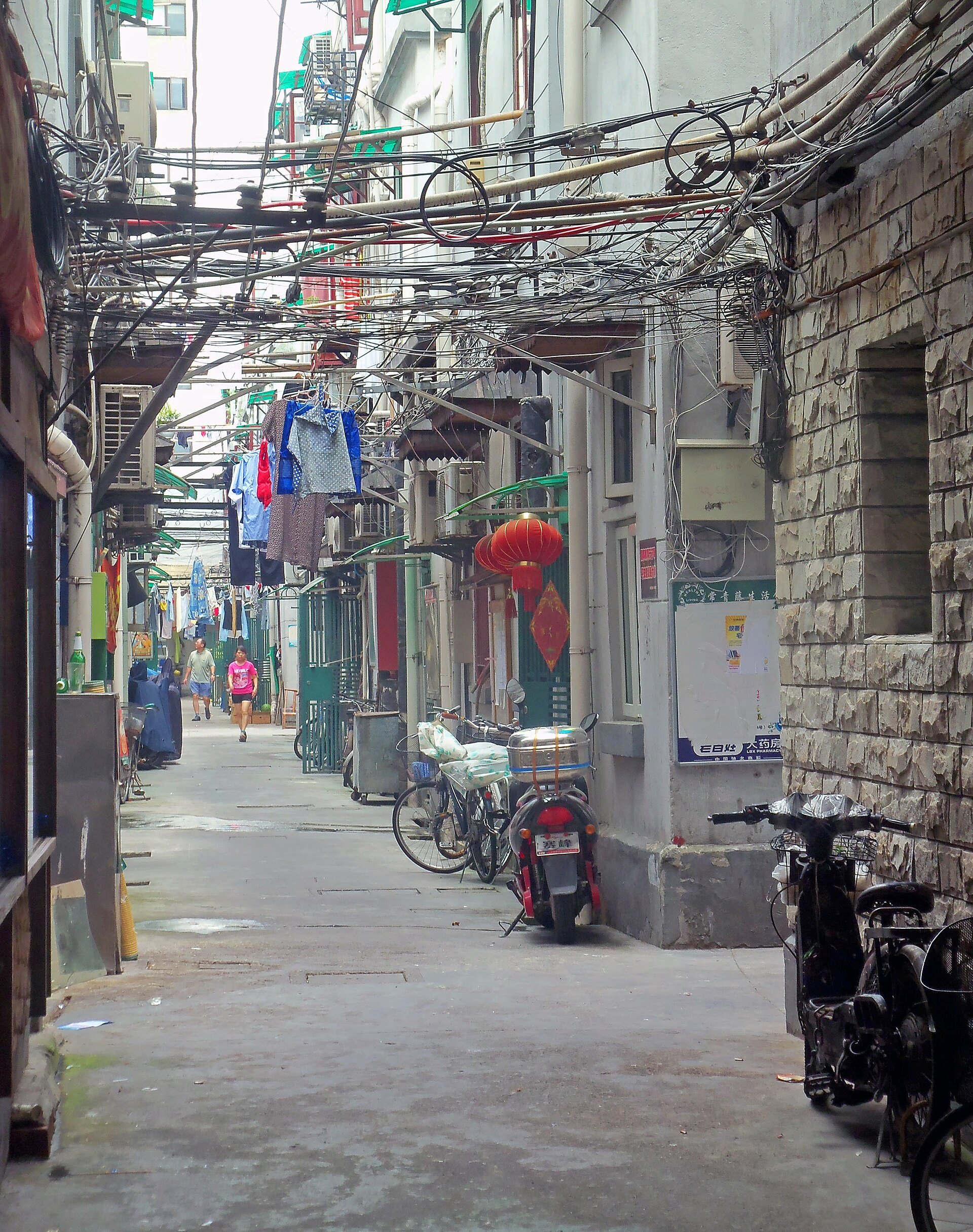 Shikumen & the Lane Houses⭐ Free to walk · people live here
Photographs from Wikimedia Commons; each sight page carries its own photographer, licence and link.
All sixteen, with the argument →
How long have you got?
Each plan is built around what needs reserving, which museums shut on Monday, and the fact that the trains stop before the restaurants do.
China’s entry rules for short-stay visitors have changed repeatedly since 2023 — several overlapping schemes, extended and altered more than once — and museum reservation systems here are newer still. Nothing on this site states a visa duration or an admission price for that reason: we describe how a rule works and send you to the embassy or the operator for the current position. If we have described a mechanism wrongly — what needs booking, what the transit condition actually requires, when the last train goes — that is very much worth telling us about.
Everything here was checked on 6 September 2026. ⚠️ Entry rules, reservation requirements and opening patterns all change — confirm before you travel.