
Five days covers the riverside museums, the older temples out of the centre, the district most visitors never reach — and one full day outside the city, which by this point is the right use of a day.
The plan
- Days 1–3 — As above.
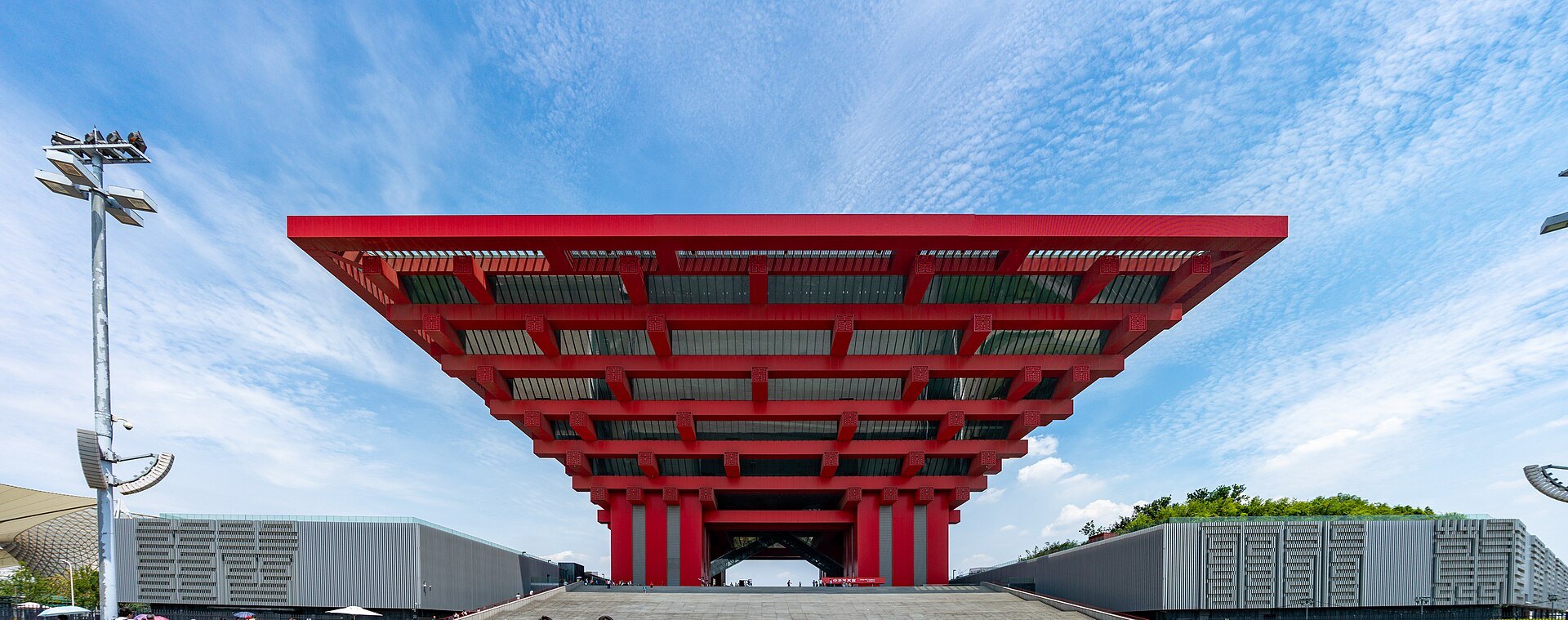
- Day 4, morning — ⭐ The China Art Museum — the red inverted pyramid left from the 2010 Expo, free with a reservation, and the animated Qingming scroll inside it is worth the trip on its own.
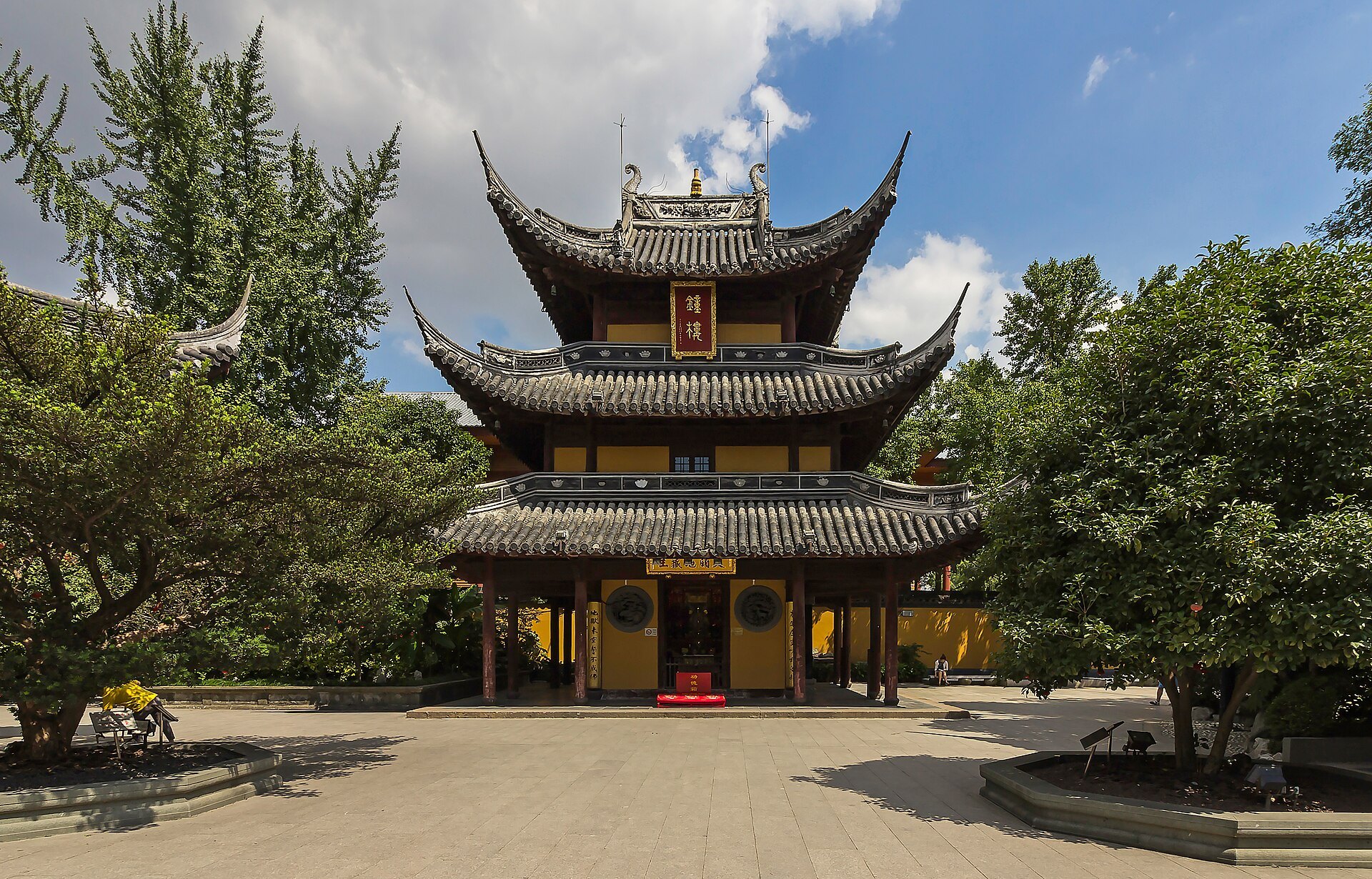
- Day 4, afternoon — Longhua Temple, well out on line 11 — the oldest and largest complex in the city, with a tenth-century pagoda across the road. ⚠️ The pagoda cannot be climbed.
- Day 4, evening — ⭐ Hongkou, north of Suzhou Creek, and the Shanghai Jewish Refugees Museum — the district where twenty thousand refugees from Nazi Europe lived out the war. The most affecting place in Shanghai and the least visited.
- Day 5 — Out of the city — see below.

⭐ Day five is where the train earns its place. Zhujiajiao, a canal town, is on metro line 17 for the price of a metro fare — no booking, no passport, no station queue. It is the cheapest and easiest escape from Shanghai and most visitors have never heard of it.

What this plan is built around
Not a list of sights, but the constraints: ⭐ your payment app has to work before any of this does; the Shanghai Museum and the China Art Museum are free and still need an advance reservation with your passport; most museums close on Monday; and the metro stops between about 22:00 and 23:00, which is hours before the restaurants do and is the one deadline that actually strands people here.

Other lengths
Checked on 6 September 2026. Reservation requirements, closing days and entry rules change — confirm before you travel. All sixteen sights, one page each, in Landmarks & Sights.