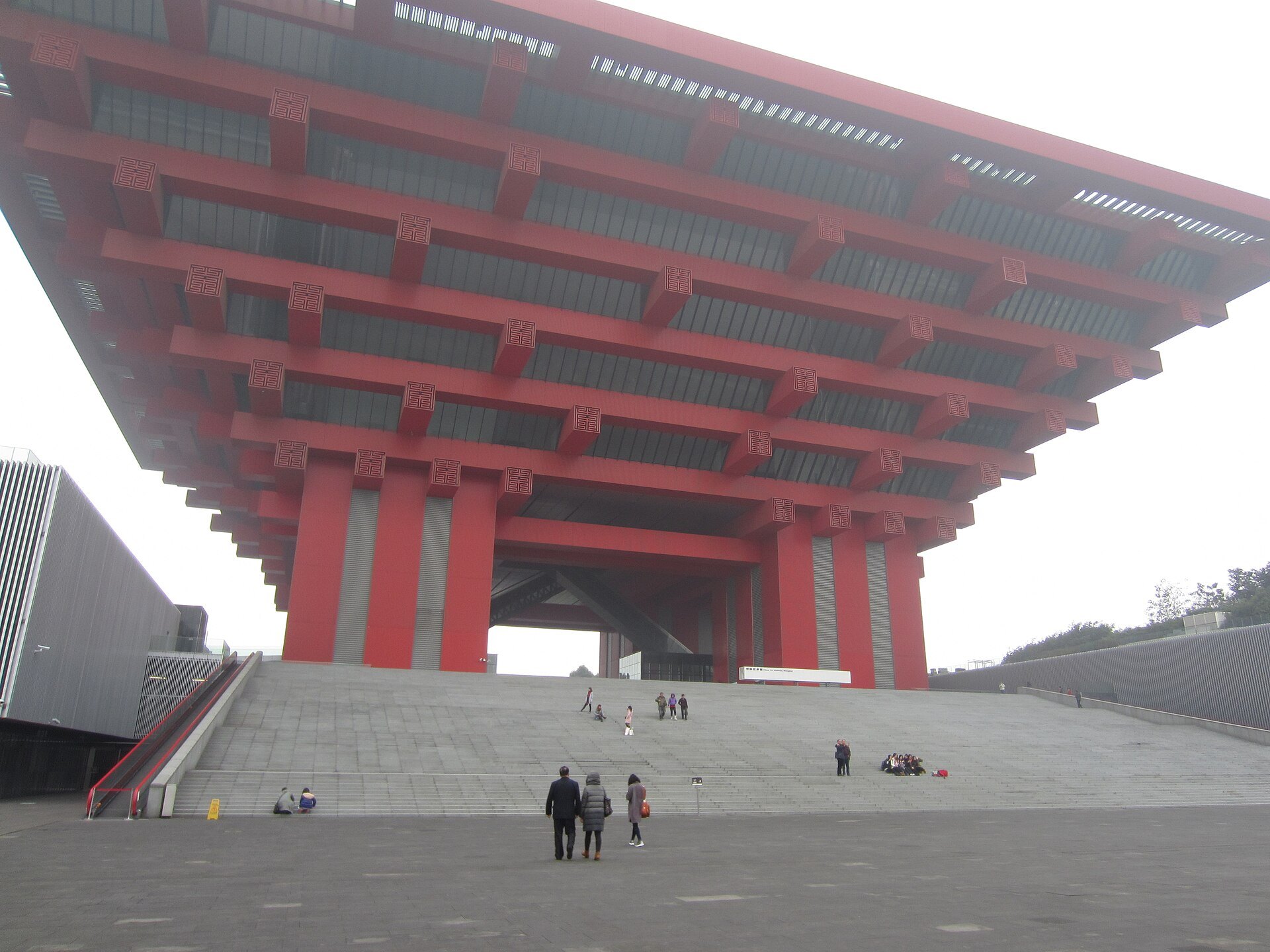
Photograph by Lyn Gateley from Silicon Valley, CA, USA, Wikimedia Commons, CC BY 2.0
The big ones are free, and that is the catch
The Shanghai Museum, the China Art Museum and the
Power Station of Art all cost nothing. So does the site of the First National
Congress, and so do a number of smaller municipal museums.
⚠️ But free is not the same as walk-in. Most now require an advance
reservation and your passport, booked through the venue's own channel — in practice inside
a Chinese payment app. Popular days sell out, and turning up hopefully is the commonest wasted
morning in Shanghai.
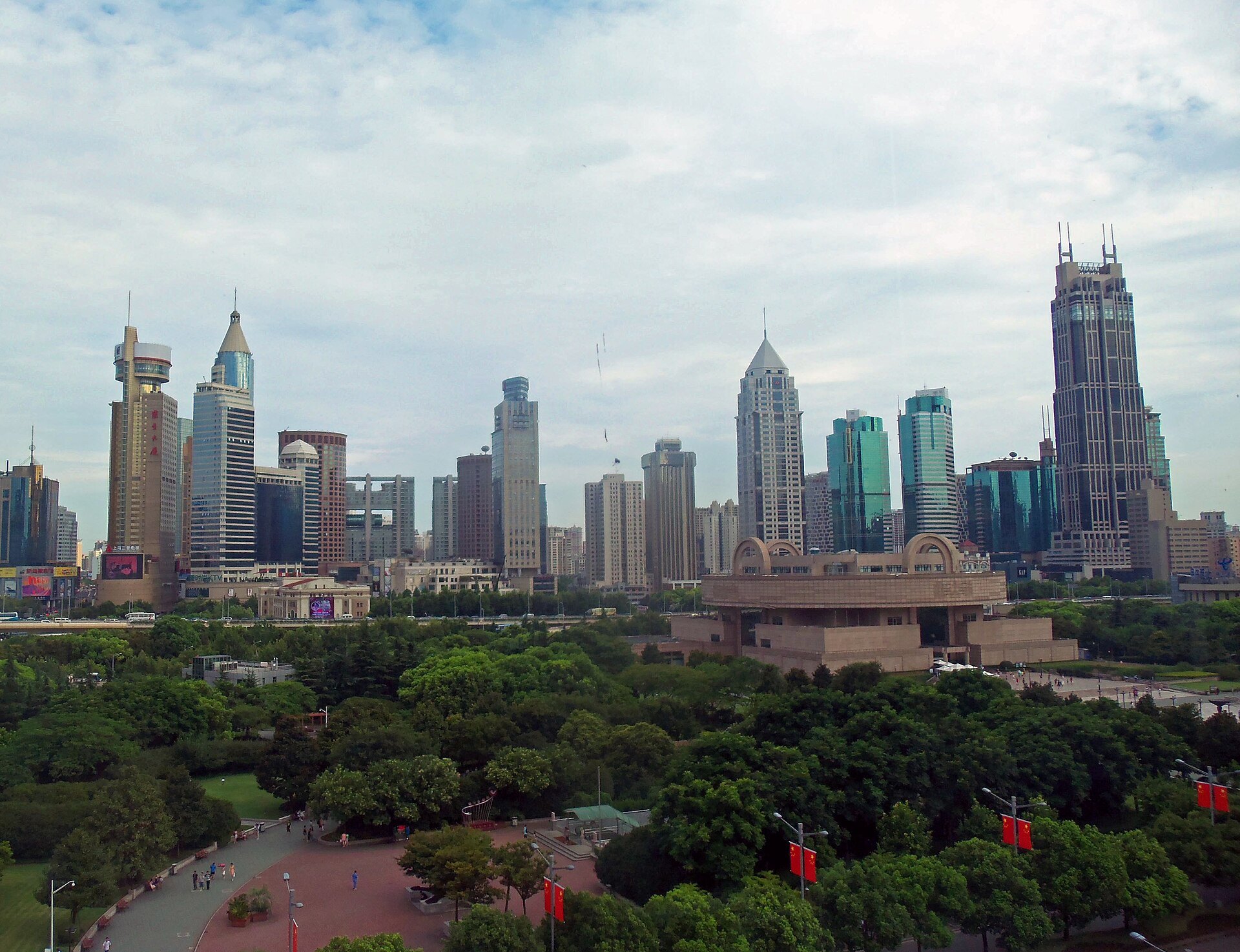
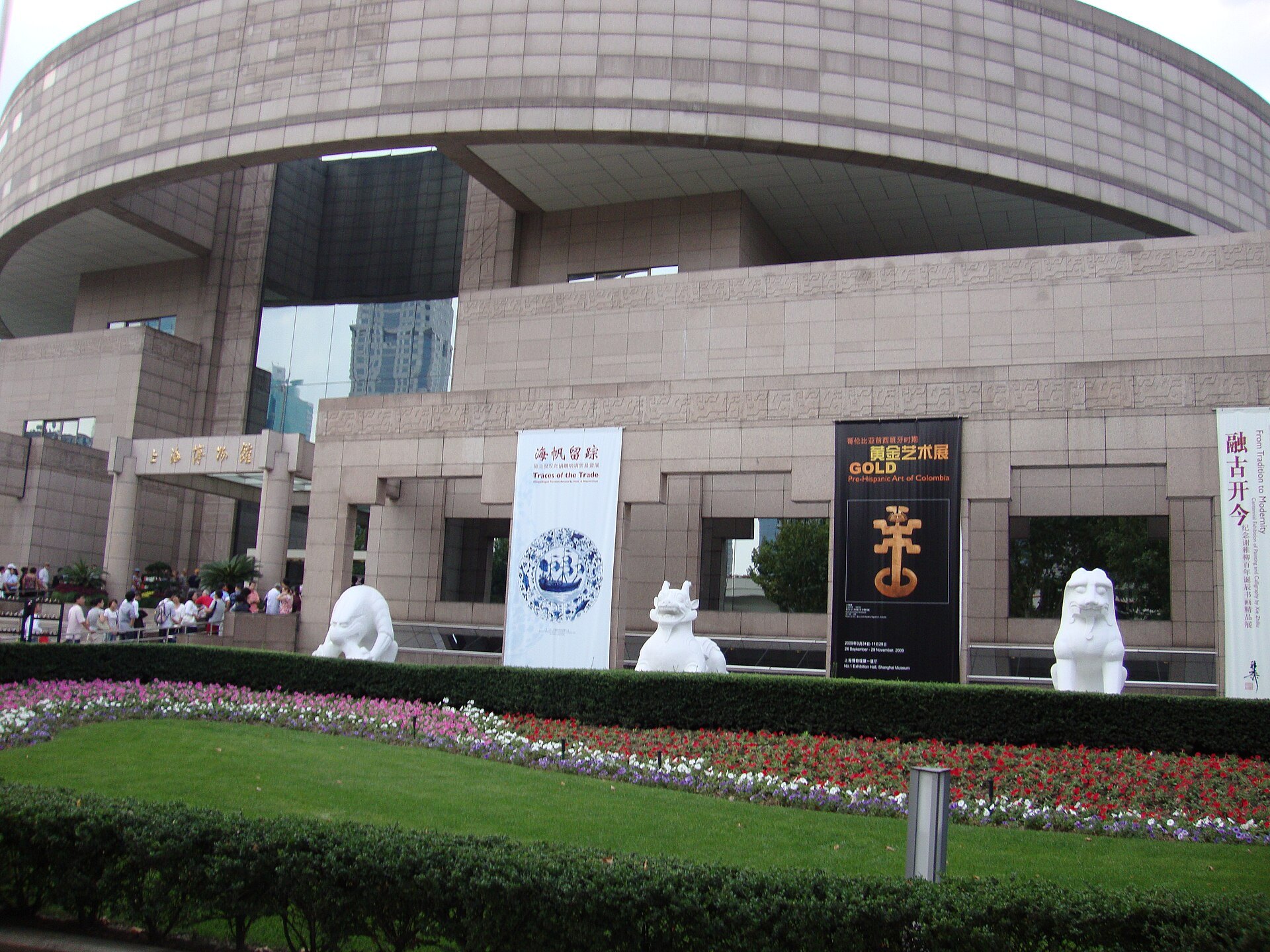
Shanghai Museum on People's Square, for bronzes and ceramics — the bronze
gallery would be the headline collection of any museum on earth. ⚠️ There is now a second, larger
building in Pudong, Shanghai Museum East; they are separate visits with separate
reservations.
China Art Museum, in the red inverted pyramid left from the 2010 Expo, for
twentieth-century Chinese painting — and for the animated Along the River During the Qingming
Festival, which is worth the trip by itself.
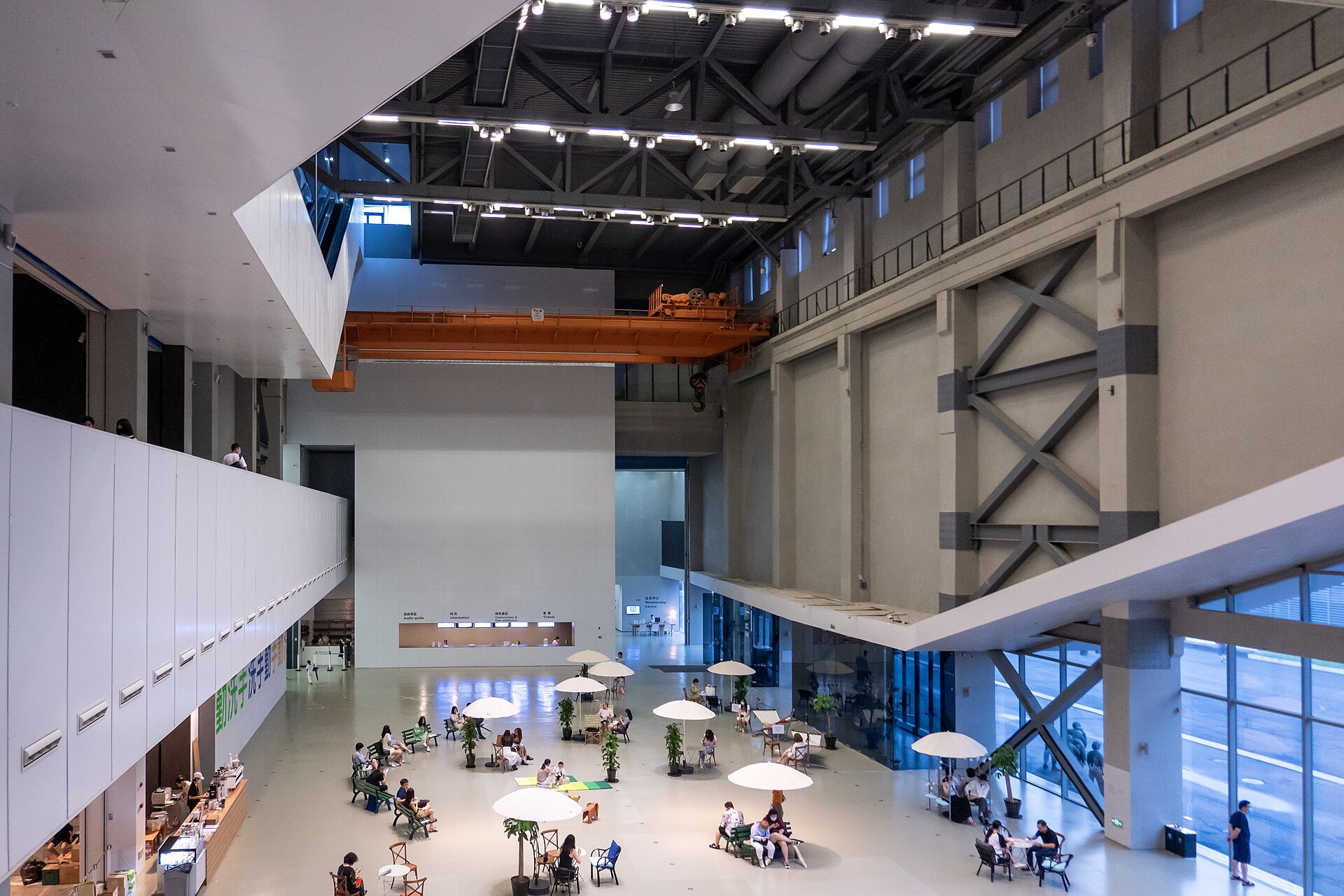
Power Station of Art, in a converted coal plant, for contemporary work. ⚠️ Check
what is actually installed; the programme has gaps between exhibitions.
⭐ The Shanghai Urban Planning Exhibition Centre on People's Square holds a
room-sized scale model of the entire city. Go on your first day rather than your last — an hour
there makes the rest of the week legible.
Closing days
⚠️ Most Chinese museums close one day a week, commonly Monday. Check before
crossing the city, and check again around Chinese New Year and the
October National Day holiday, when opening patterns change and the whole country
is travelling.
Shanghai’s flagship museums charge nothing to enter. That is the easy part. The Shanghai Museum, the China Art Museum and the site of the First National Congress of the Communist Party of China all require a timed reservation. It must be booked in advance through a Chinese app. Bring a passport for the door check. … Read more

.jpg)

_-_02.JPG)