Landmarks & Sights
景点 · JǏNGDIǍN
Sixteen Shanghai sights, one page each, free ones first — eleven cost nothing, though several of those still need booking.
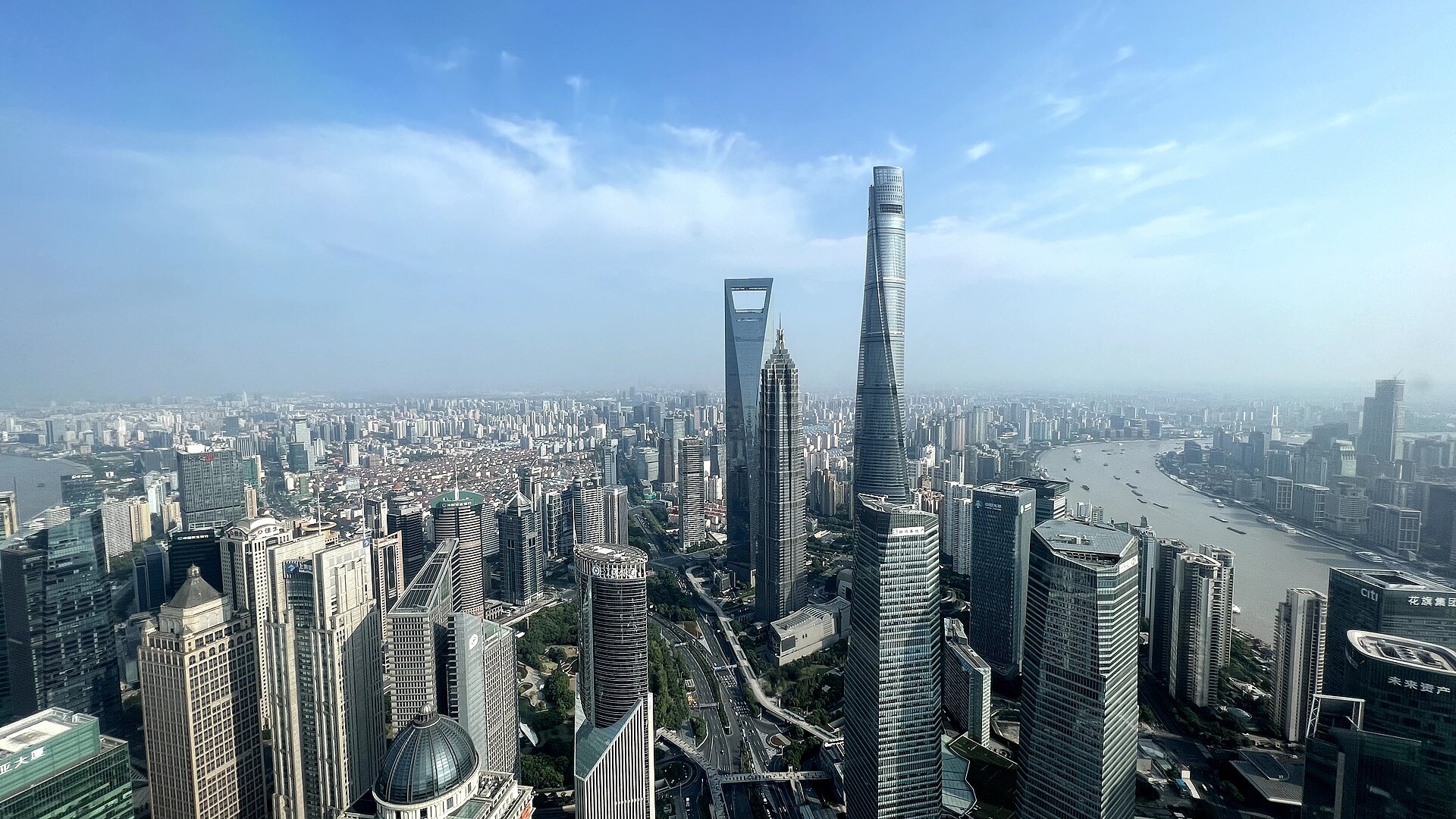
.jpg)
Sixteen places, one page each, ordered the way this site argues the city works: the 11 that cost nothing to enter first, the 5 you buy a ticket for after. That order is an argument, not a filing convention.
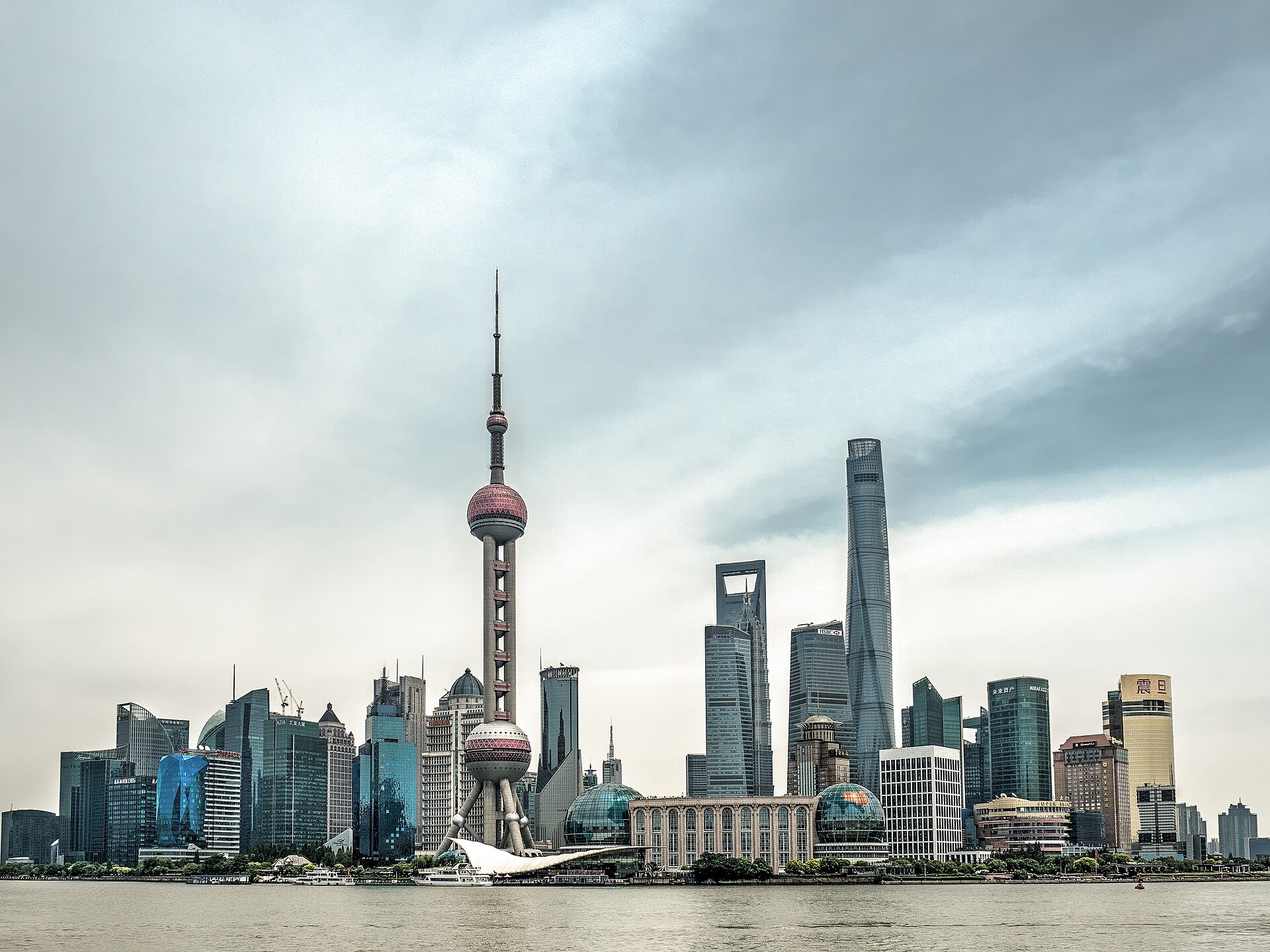 The Bund⭐ Free · never closes
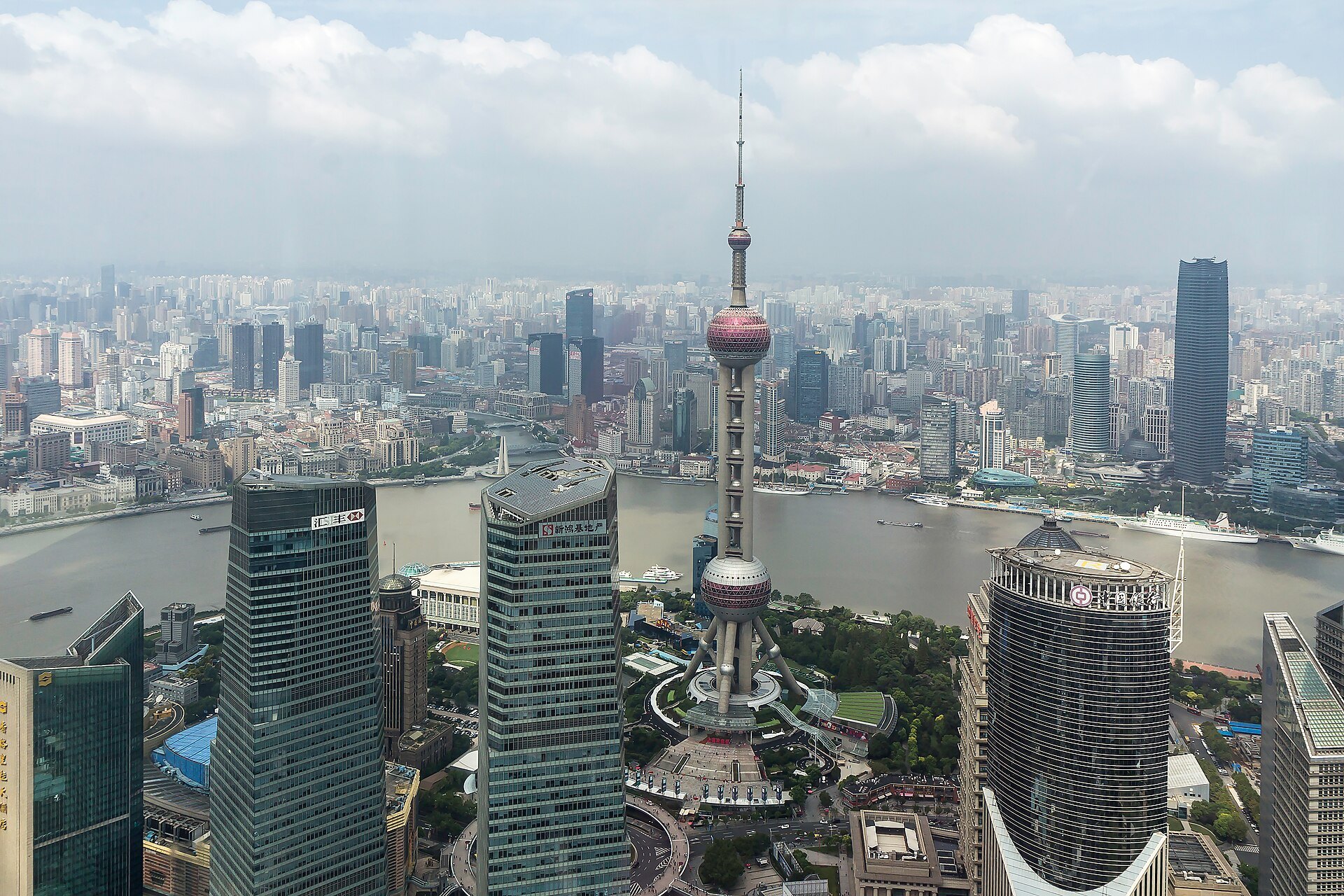
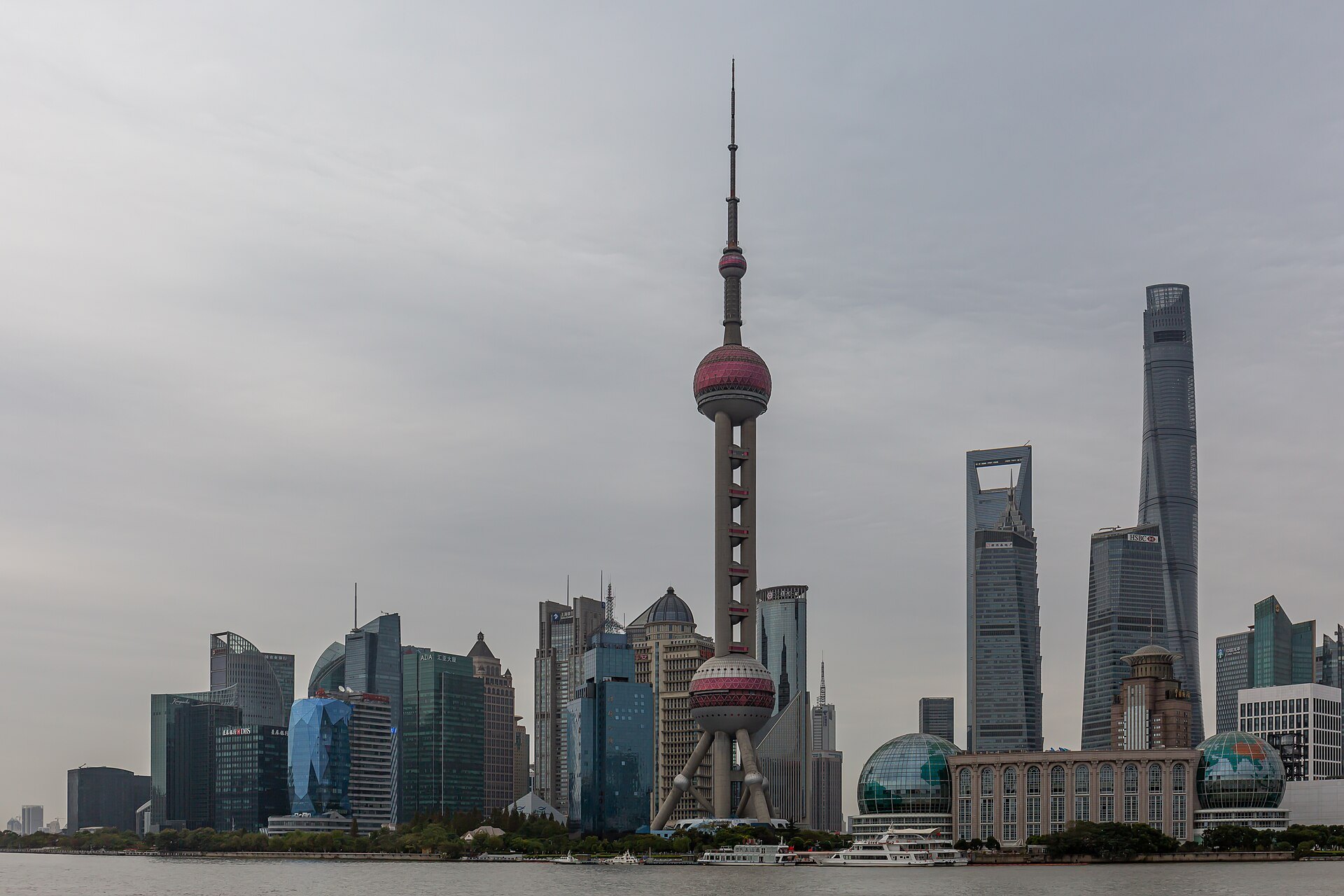 Lujiazui & the Pudong SkylineFree to walk · decks ticketed
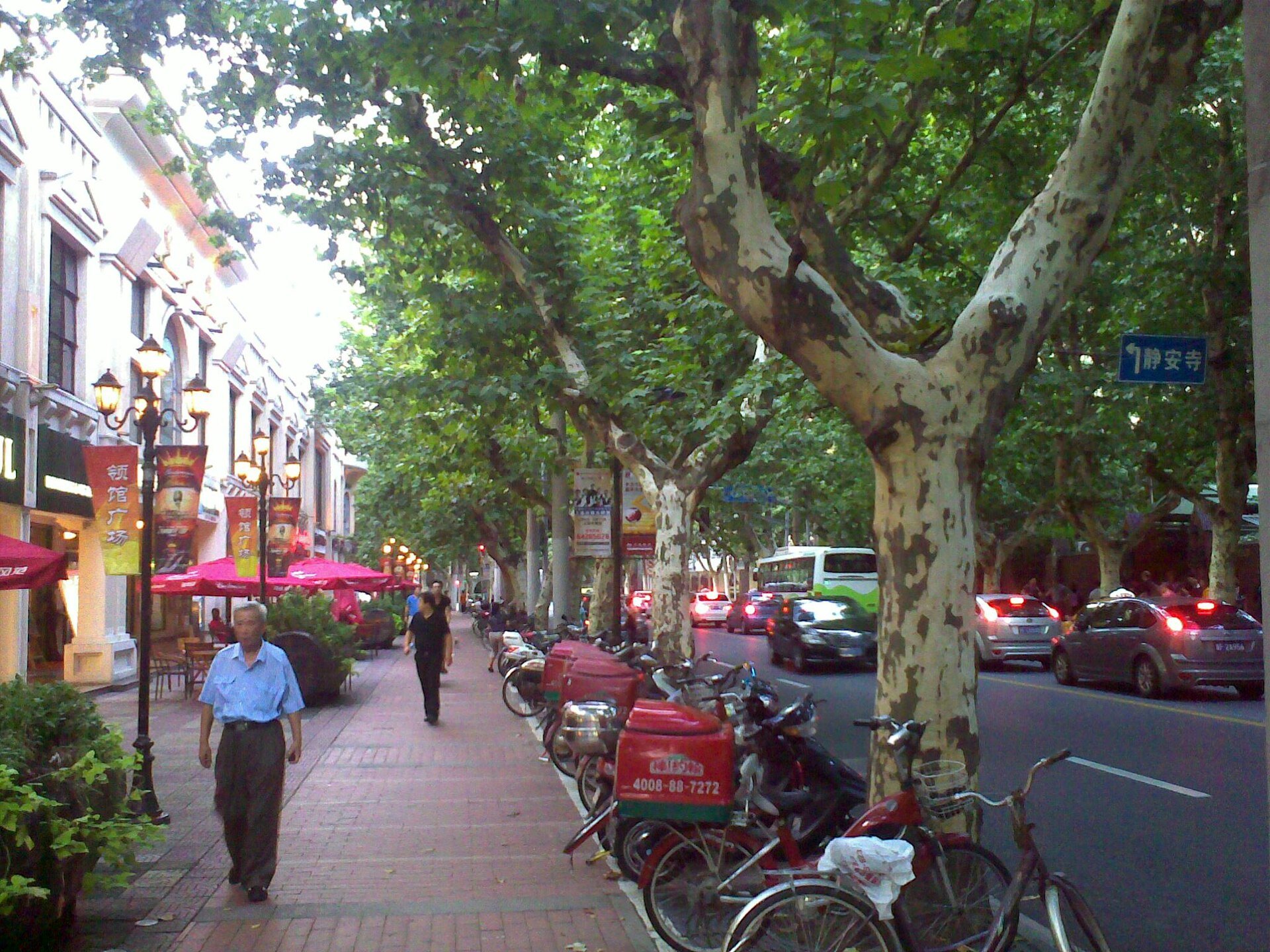 The Former French Concession⭐ Free · the best walking in Shanghai
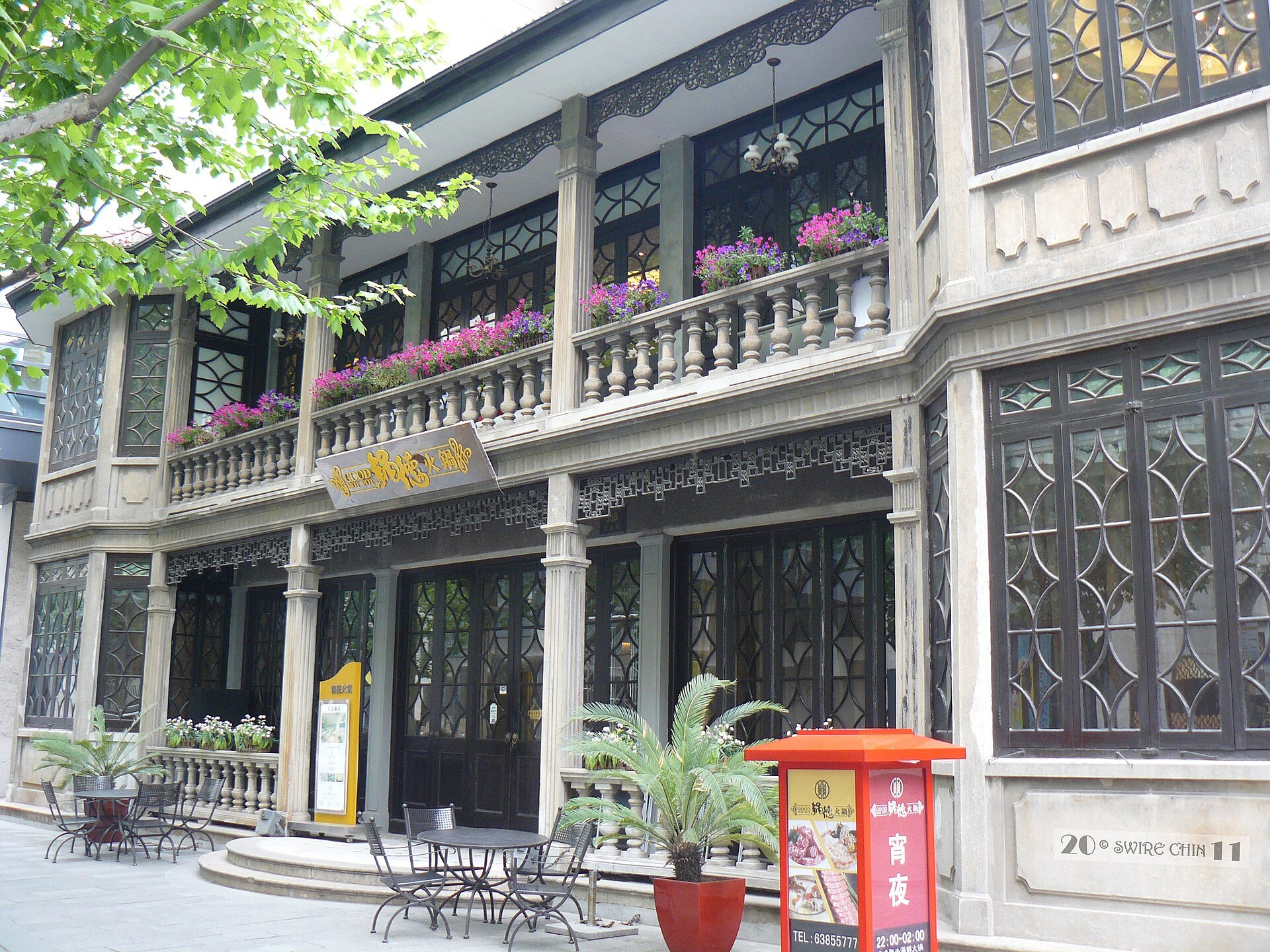 Xintiandi⭐ Free · restored shikumen
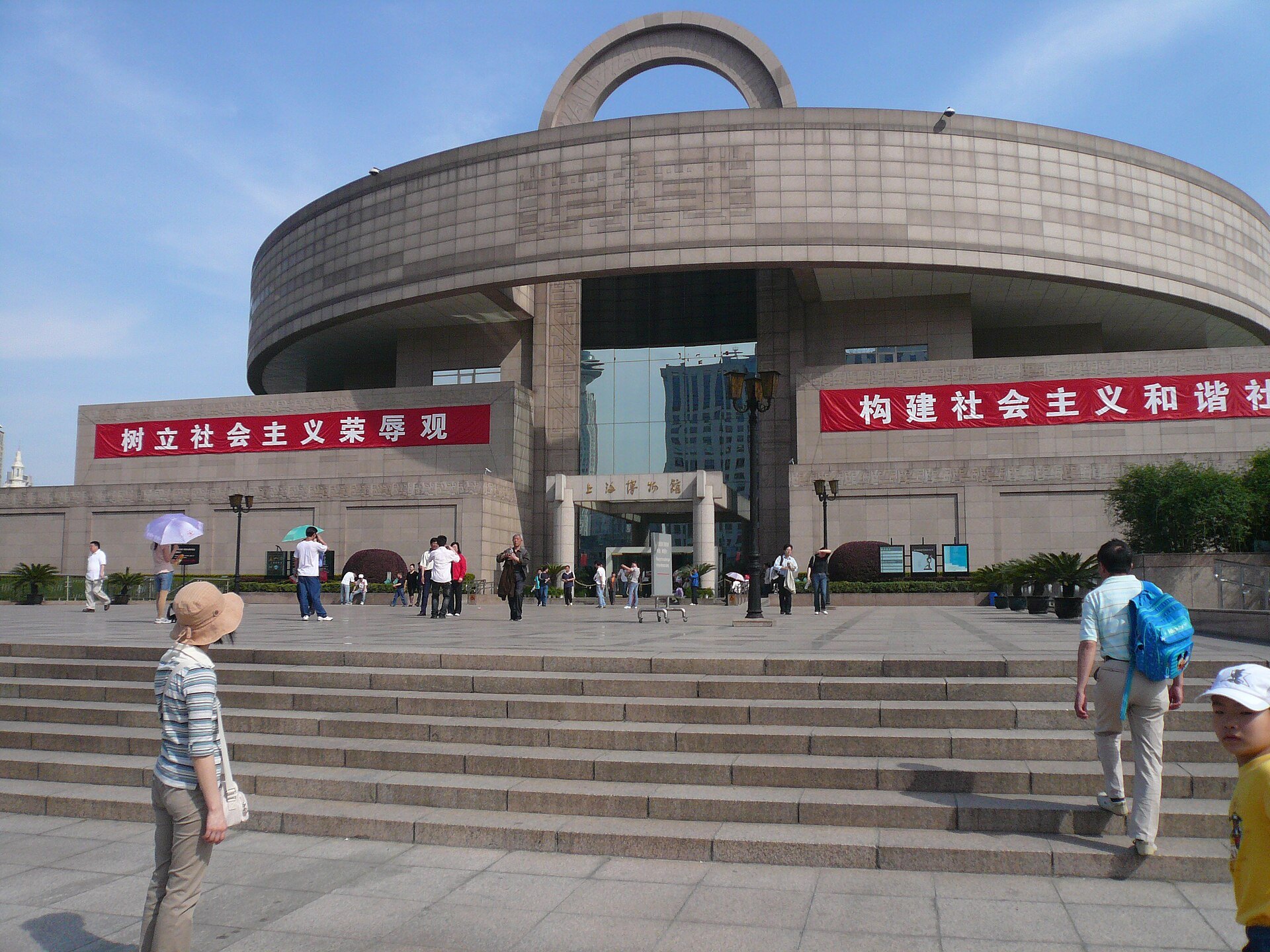 Shanghai Museum⭐ Free · book ahead
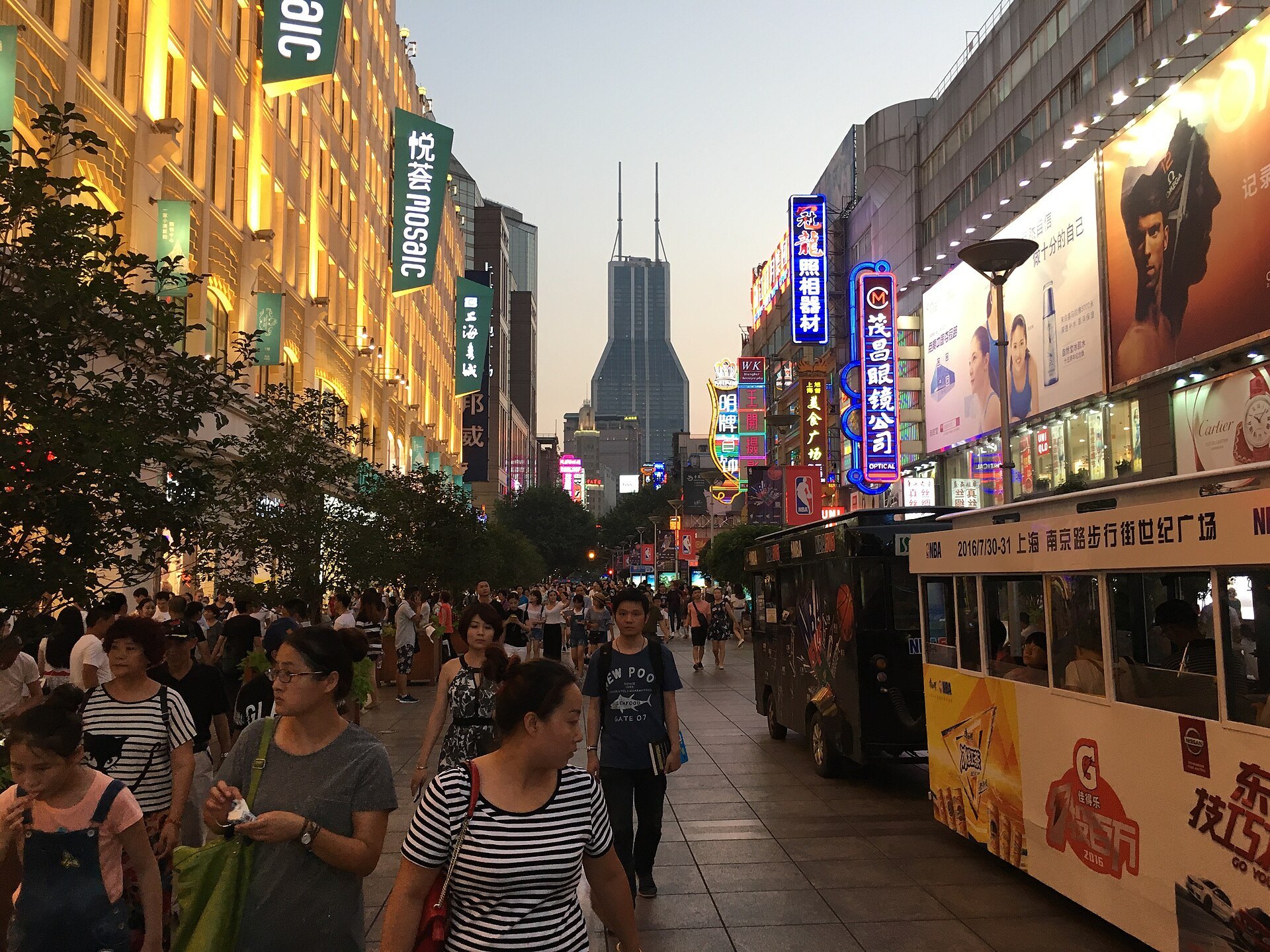 Nanjing Road⭐ Free · the shopping street
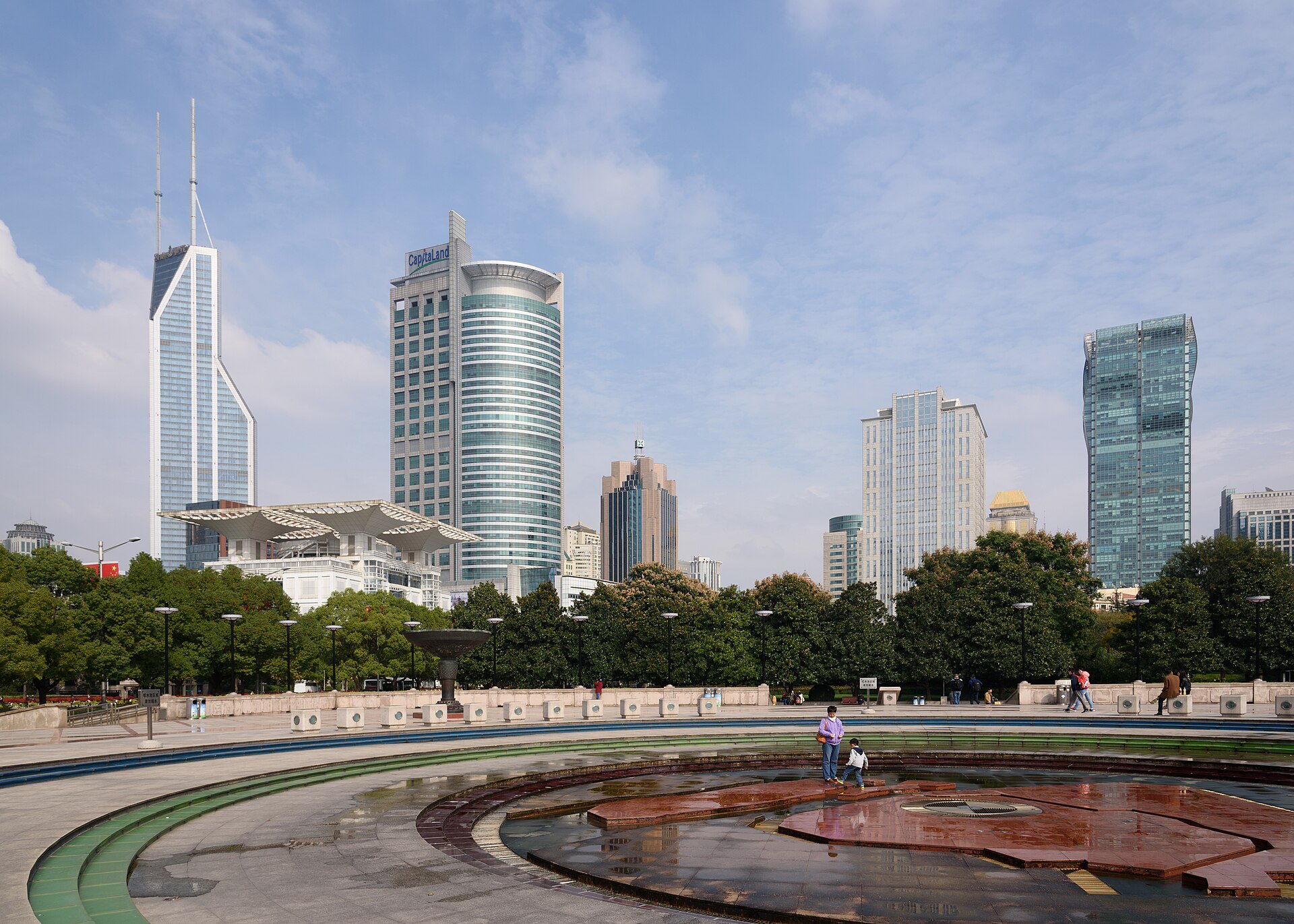 People's Square & People's Park⭐ Free · the centre of the city
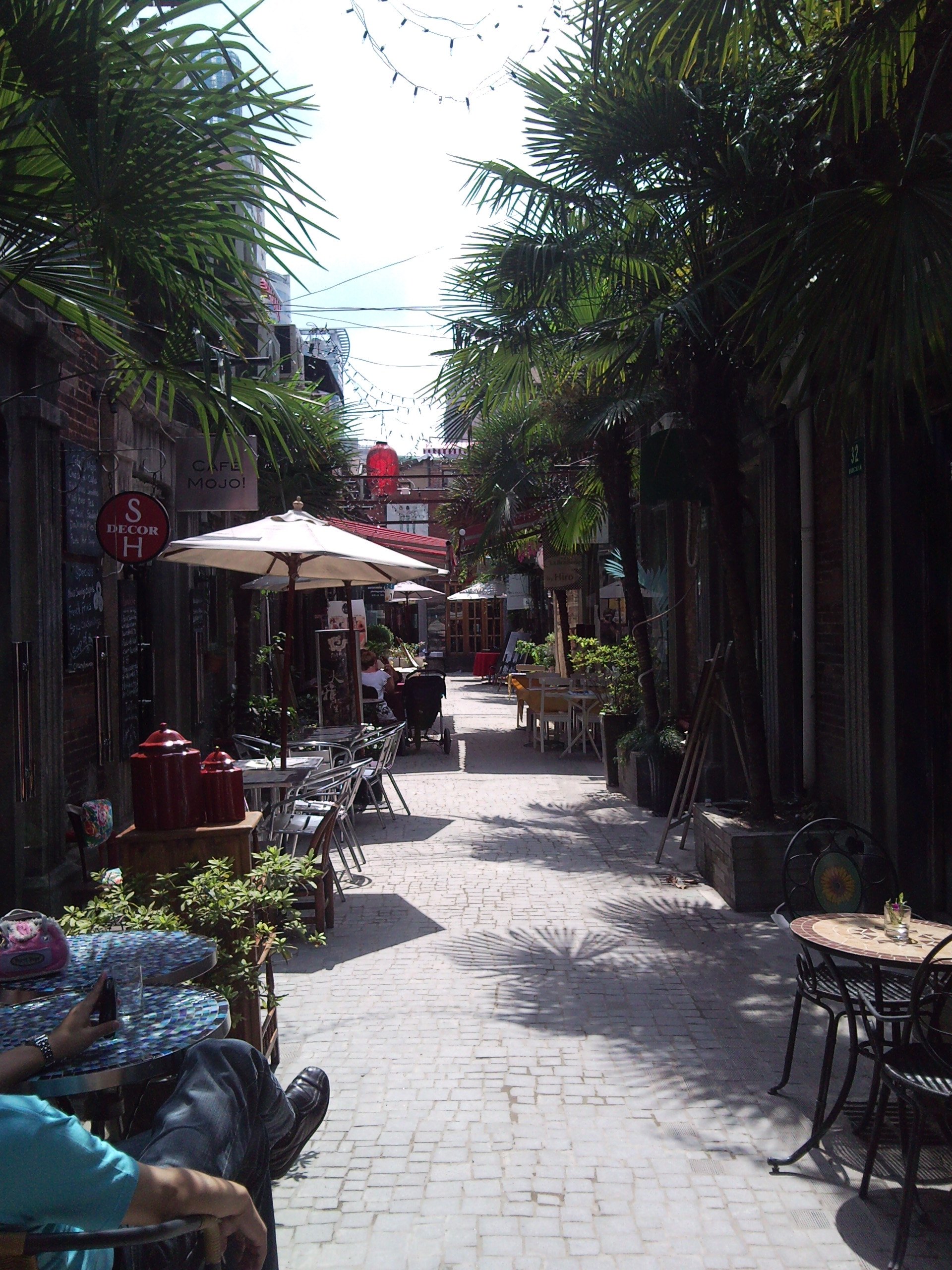 Tianzifang⭐ Free · the unrestored version
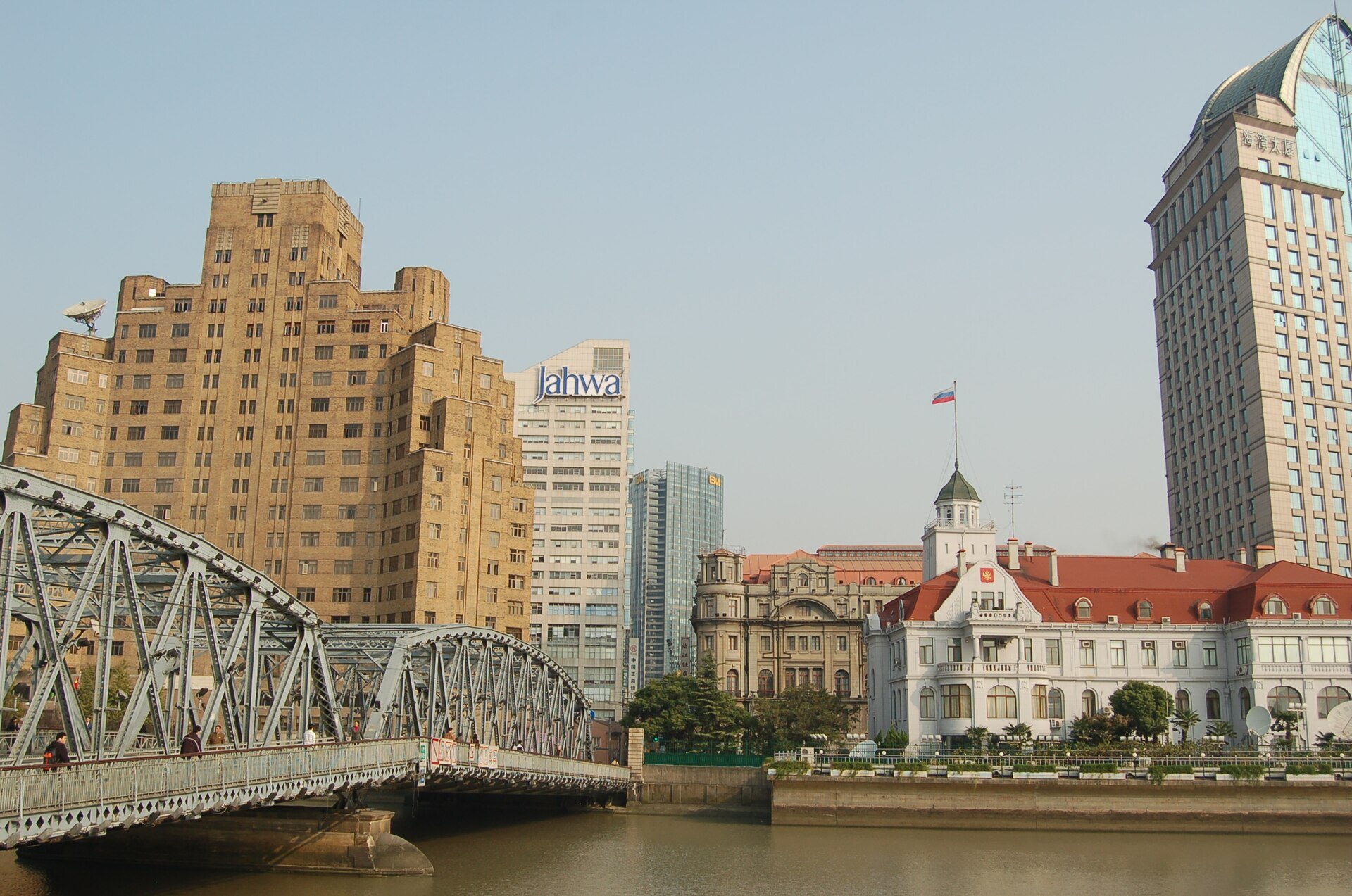 Suzhou Creek & the Garden Bridge⭐ Free · the other waterfront
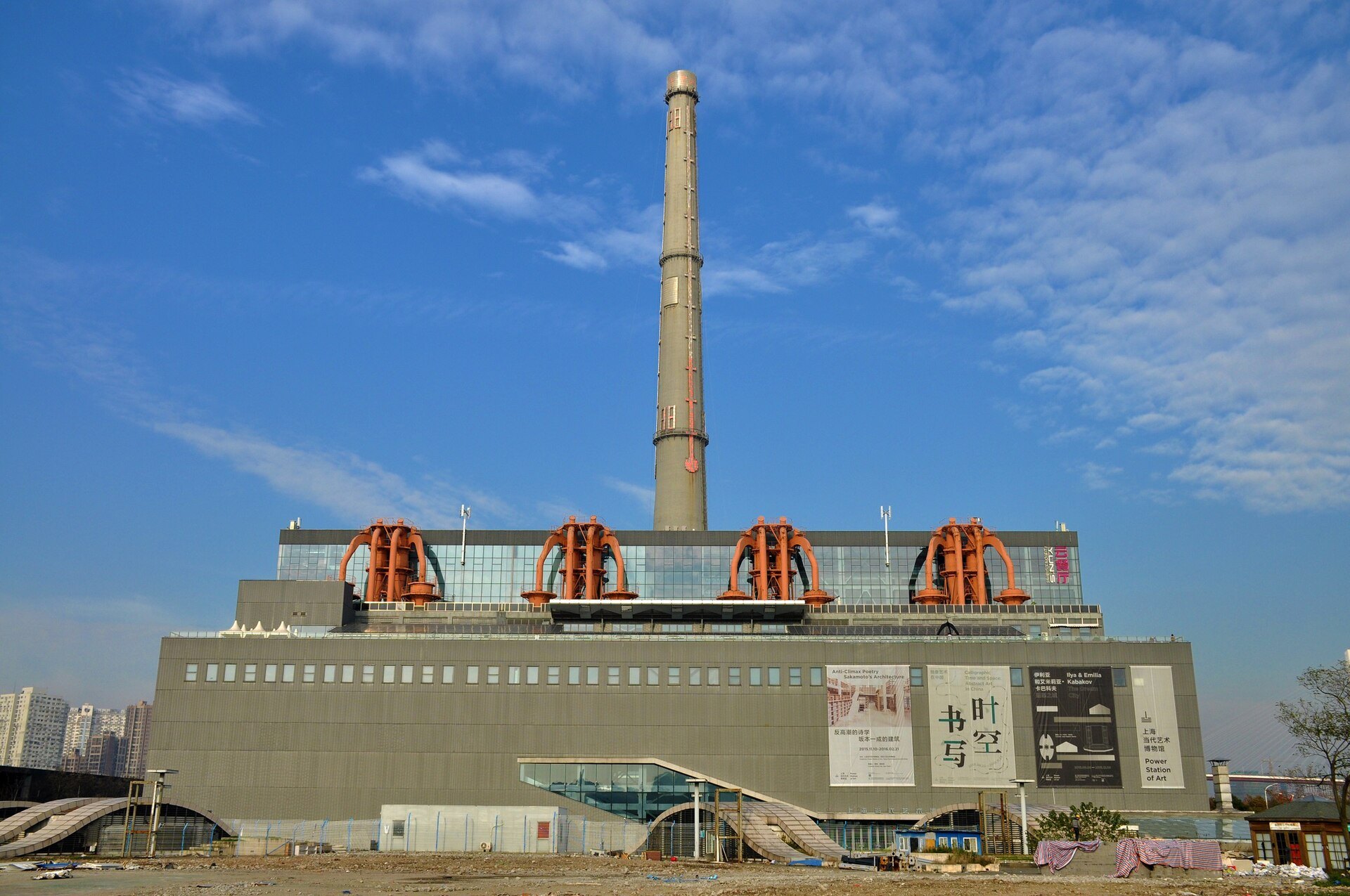 Power Station of Art⭐ Free · a converted power plant
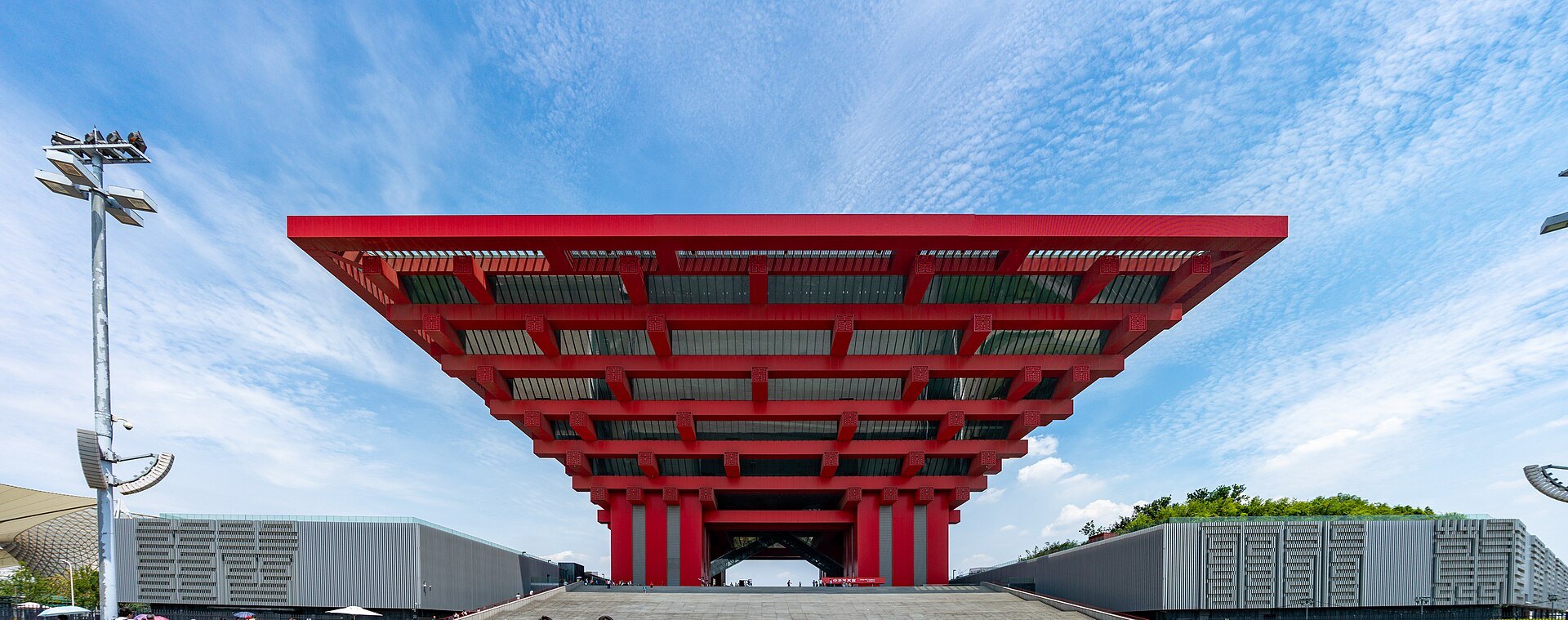 China Art Museum⭐ Free · the red Expo pavilion
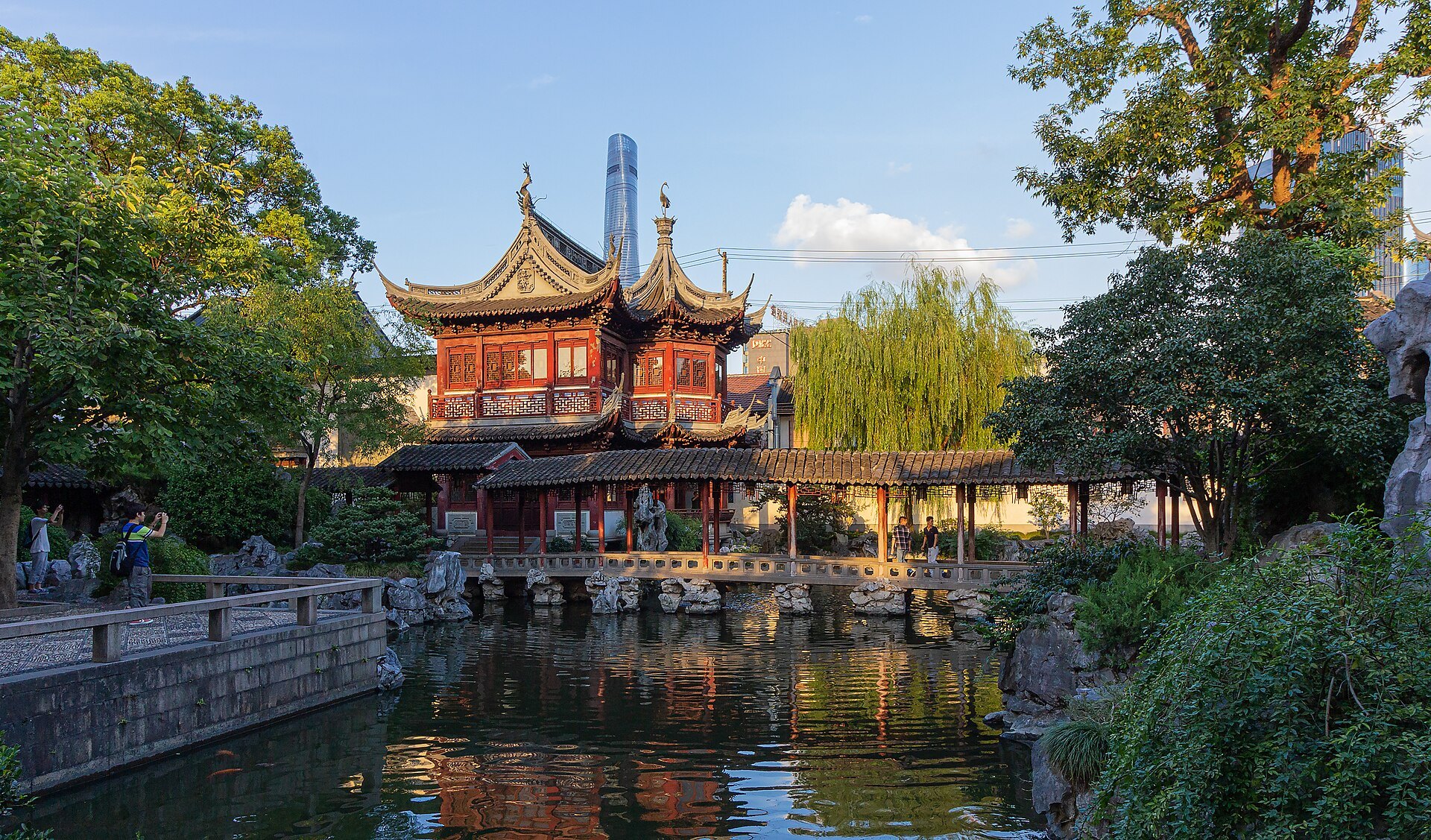
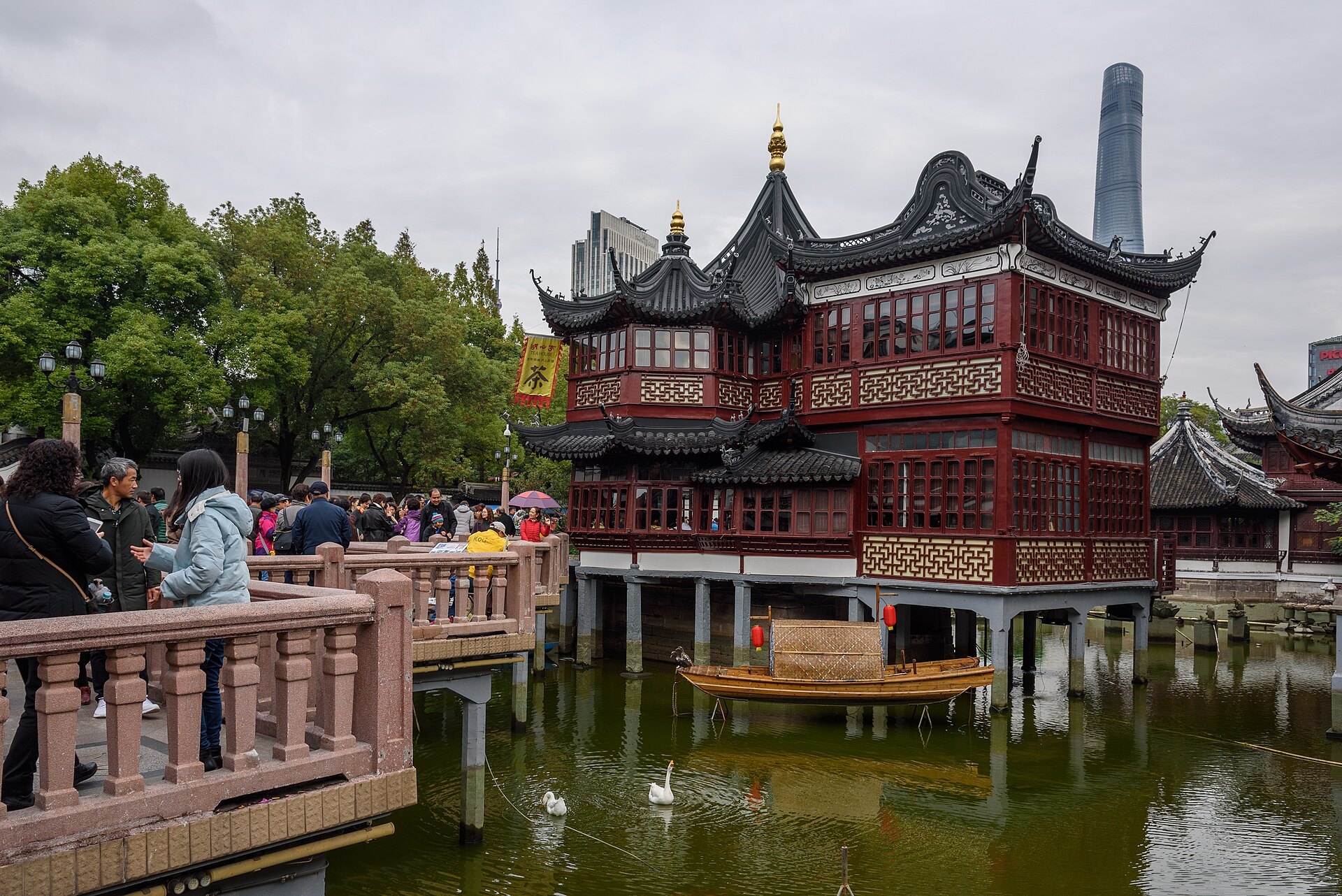 Yu GardenGarden ticketed · bazaar free
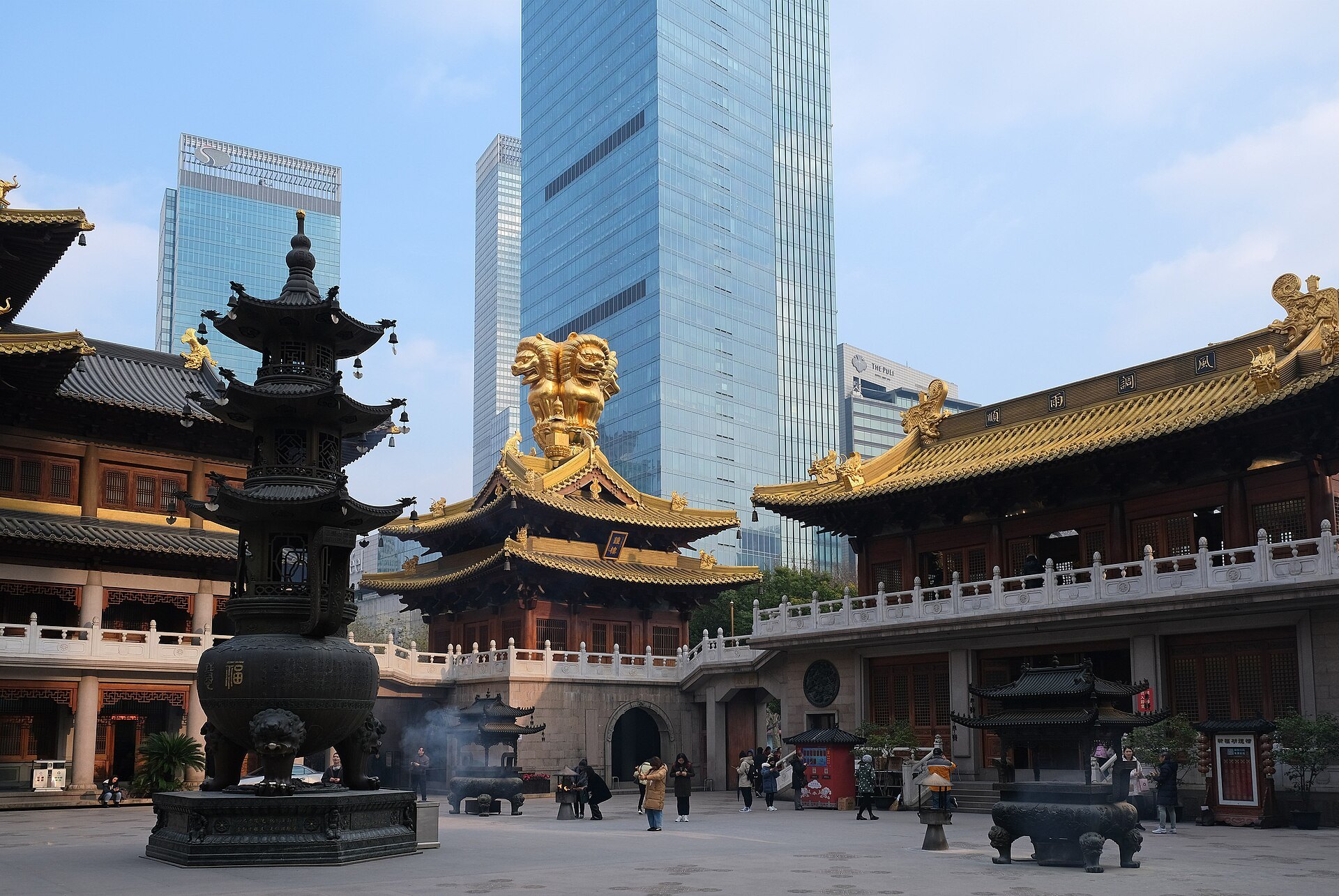 Jing'an TempleTicketed · gold against glass
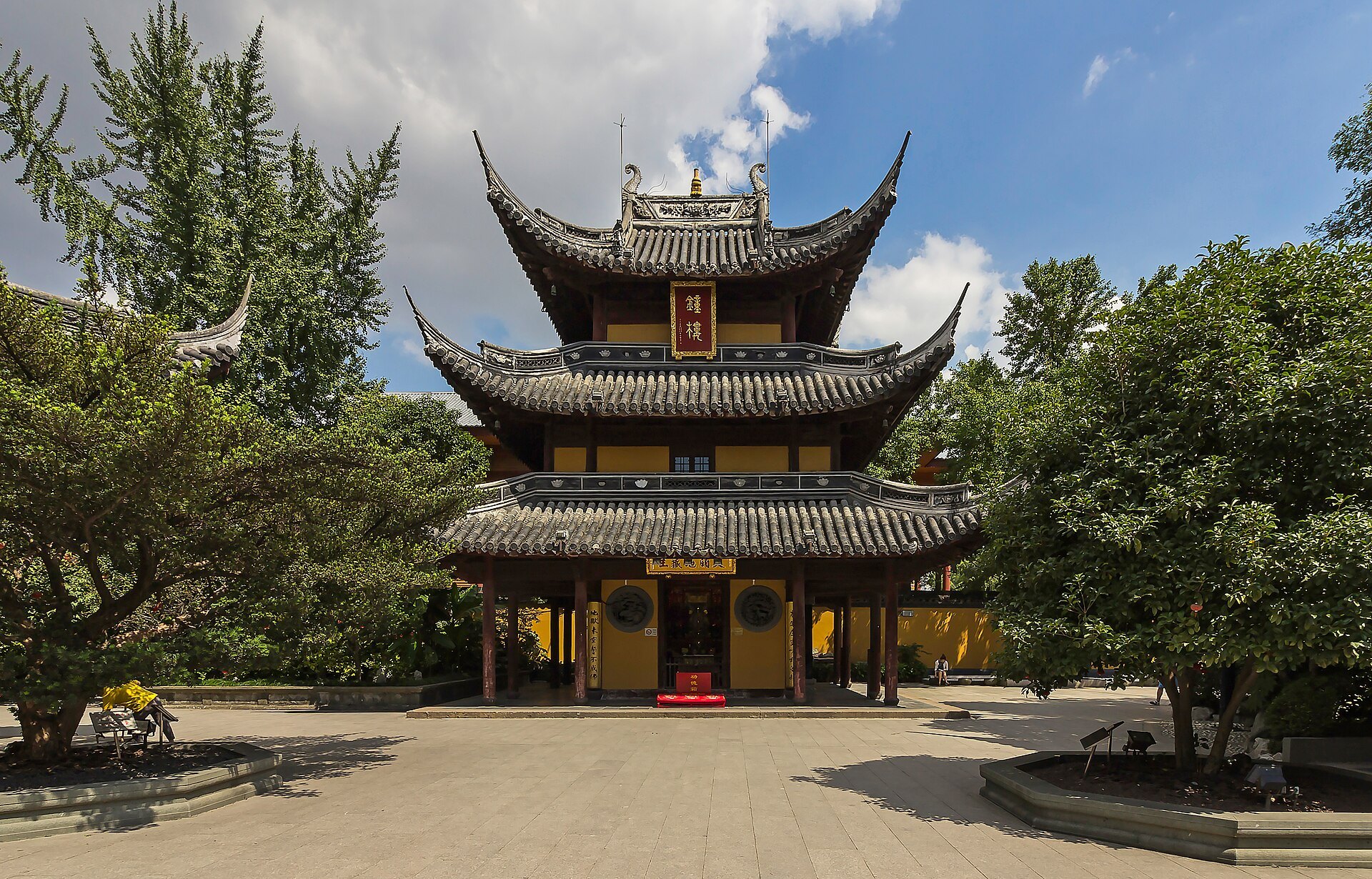 Longhua Temple & PagodaTicketed · the oldest in the city
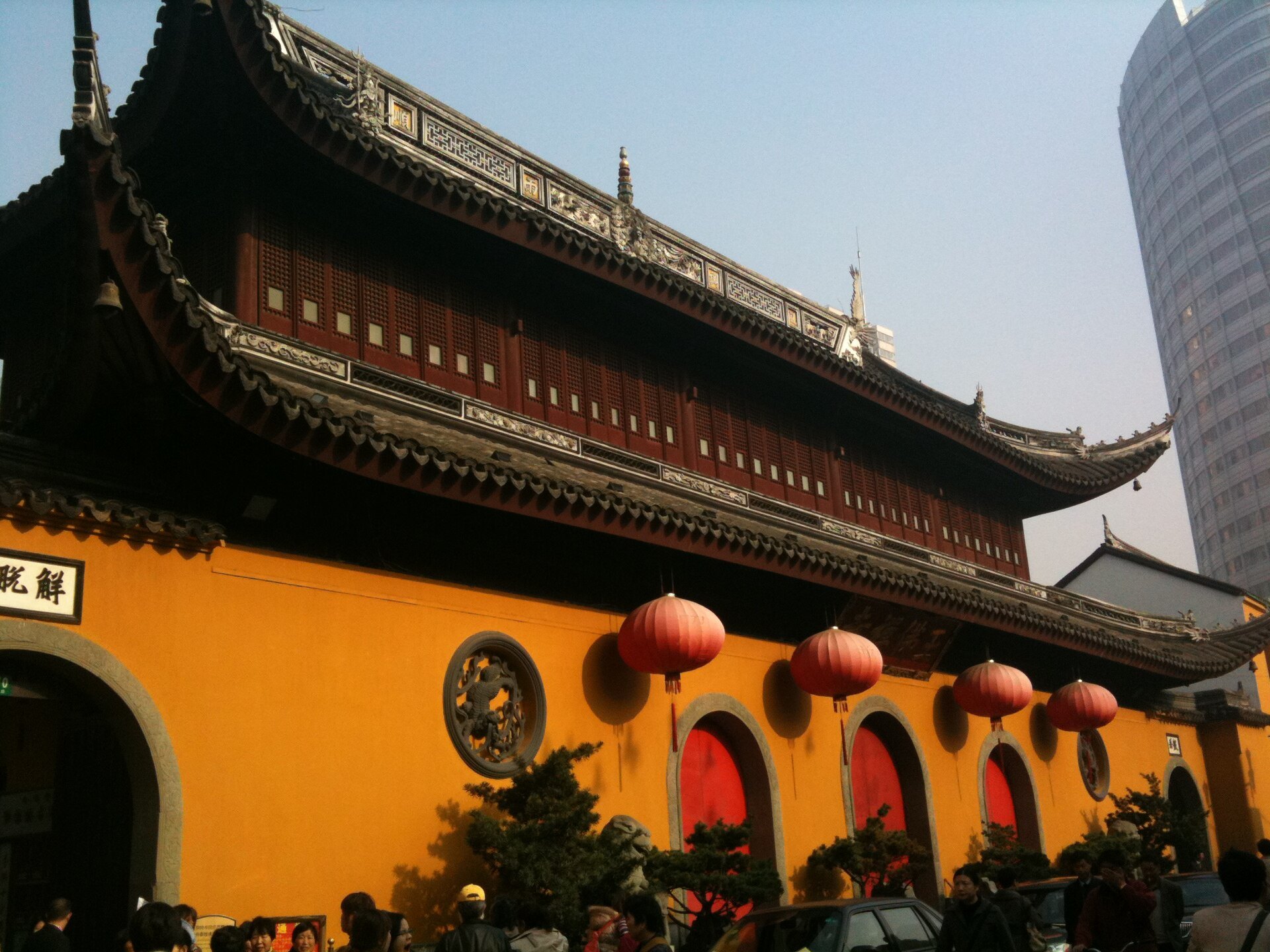 Jade Buddha TempleTicketed · extra for the jade hall
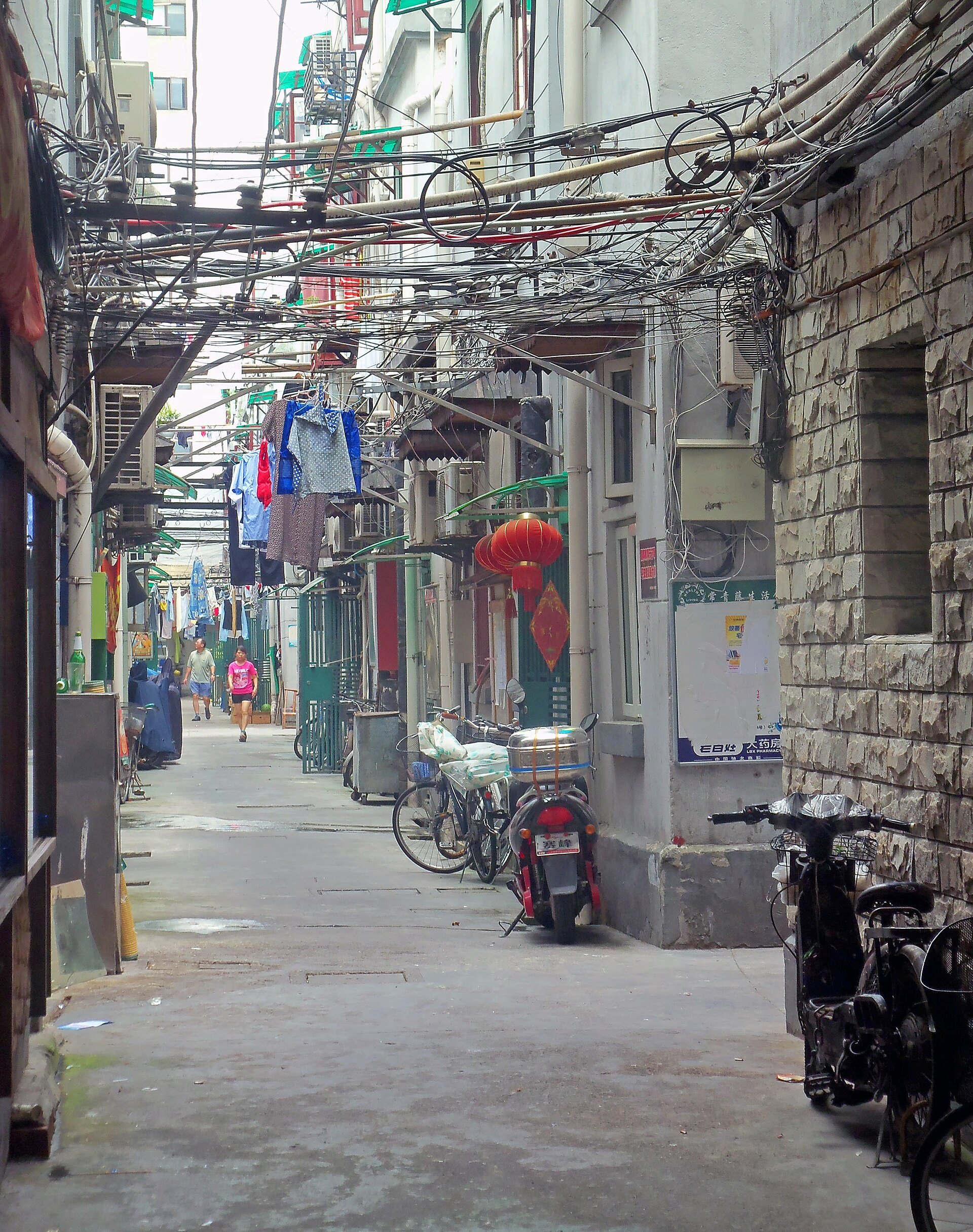 Shikumen & the Lane Houses⭐ Free to walk · people live here
Photographs above, in order, from Wikimedia Commons: Ermell (CC0) · Balon Greyjoy (CC0) · Morgenmauer (CC BY-SA 3.0) · Can Pac Swire from Toronto, Canada (CC BY-SA 2.0) · Fumihiko Ueno (CC BY 3.0) · TheBlueRutabaga (CC BY-SA 4.0) · King of Hearts (CC BY-SA 4.0) · Jonipoon (CC BY-SA 3.0) · HLBB75 at English Wikipedia (Public domain) · Fayhoo (CC BY-SA 3.0) · Iswzo (CC BY-SA 4.0) · King of Hearts (CC BY-SA 4.0) · kallerna (CC BY-SA 4.0) · Stefan Fussan (CC BY-SA 3.0) · Iamtherealnick (CC BY-SA 3.0) · Daniel Case (CC BY-SA 3.0). Each sight page repeats its own credit beside the image.


.jpg)


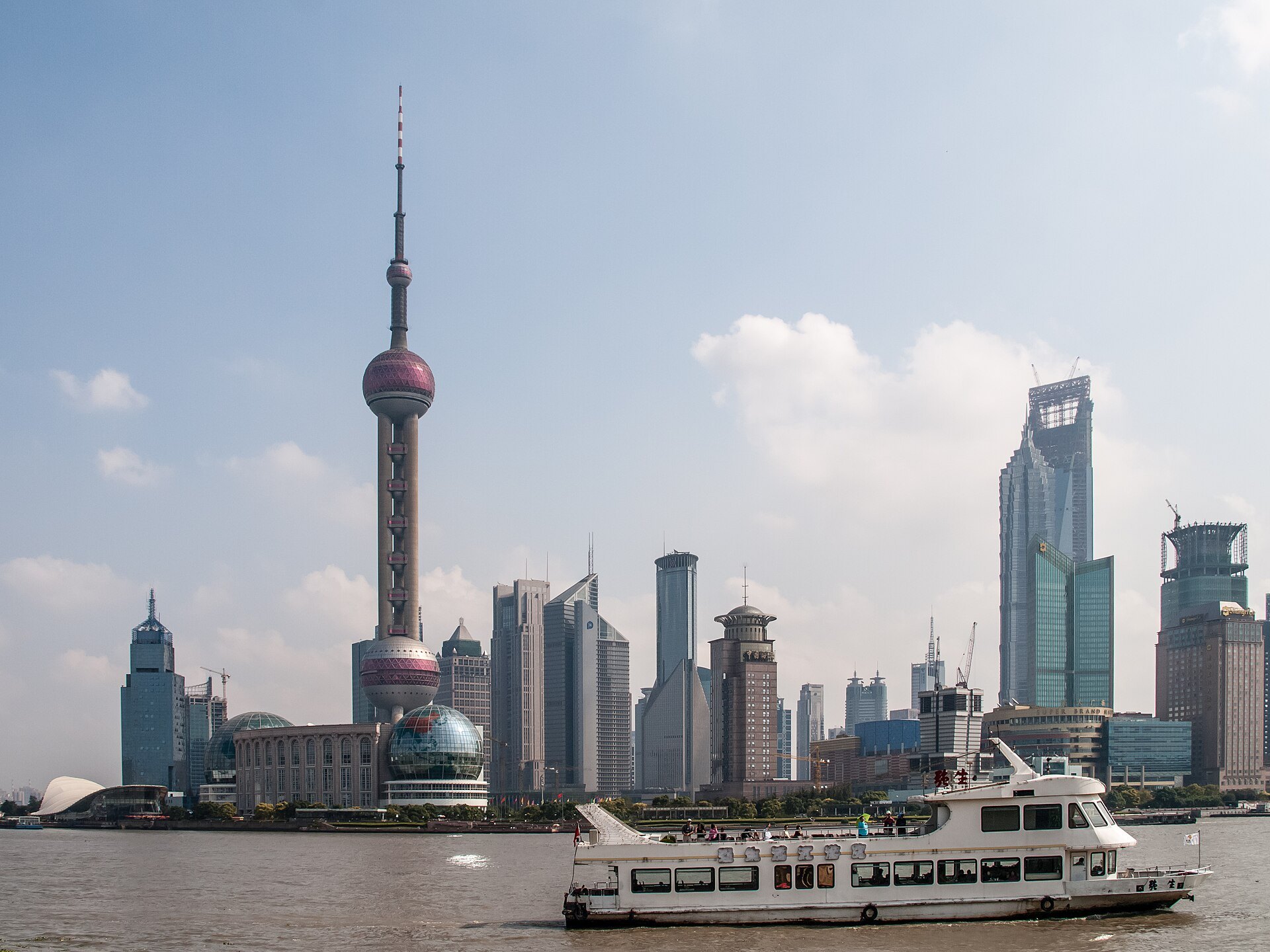

Sixteen places, and eleven of them are free
That ratio is the honest summary. The Bund costs nothing and never closes. The great public squares cost nothing. The national-standard museums cost nothing. The concession streets, the lane houses and the waterfront are all simply there.
What costs money is the classical garden, the working temples, and the observation decks at the top of the towers — and the decks are the one thing on this list most likely to disappoint, because they depend entirely on the air.

⚠️ Free does not mean walk-in
This is the Shanghai-specific catch. Several of the best free things — the Shanghai Museum, the China Art Museum, the site of the First Congress — require an advance reservation and your passport. Slots for popular days genuinely run out.
Booking is done through the venue's own channel, usually inside a payment app. See Money & Your Phone, because that is the dependency.

Every sight here has its own page
Not a line in a list — a page, with what it costs, whether it needs booking, how to get there, what to do in an hour, and what people get wrong. The mistakes are specific and most of them are avoidable.
How the city is laid out
The Huangpu river runs north-south through the middle. Puxi, west of it, is the old city, the concessions and almost everything historic. Pudong, east of it, is the towers, and was farmland within living memory.
Almost everything on this list is in Puxi. Crossing between them takes ten minutes on the metro or five on the ferry, and doing it once by water is worth arranging.
This section is being written. The guide above is the section for now. New guides go up three times a week, on Monday, Wednesday and Friday, so this page grows steadily — it is worth looking in again. In the meantime the sixteen sight pages and the plans by trip length are finished, and they are the best place to start.
Coming next in this section
- What Is Genuinely Free in Shanghai
- The Bund at Seven in the Morning
- Which Shanghai Observation Deck, and When Not to Bother
- The Ferry Across the Huangpu, for the Price of a Metro Fare