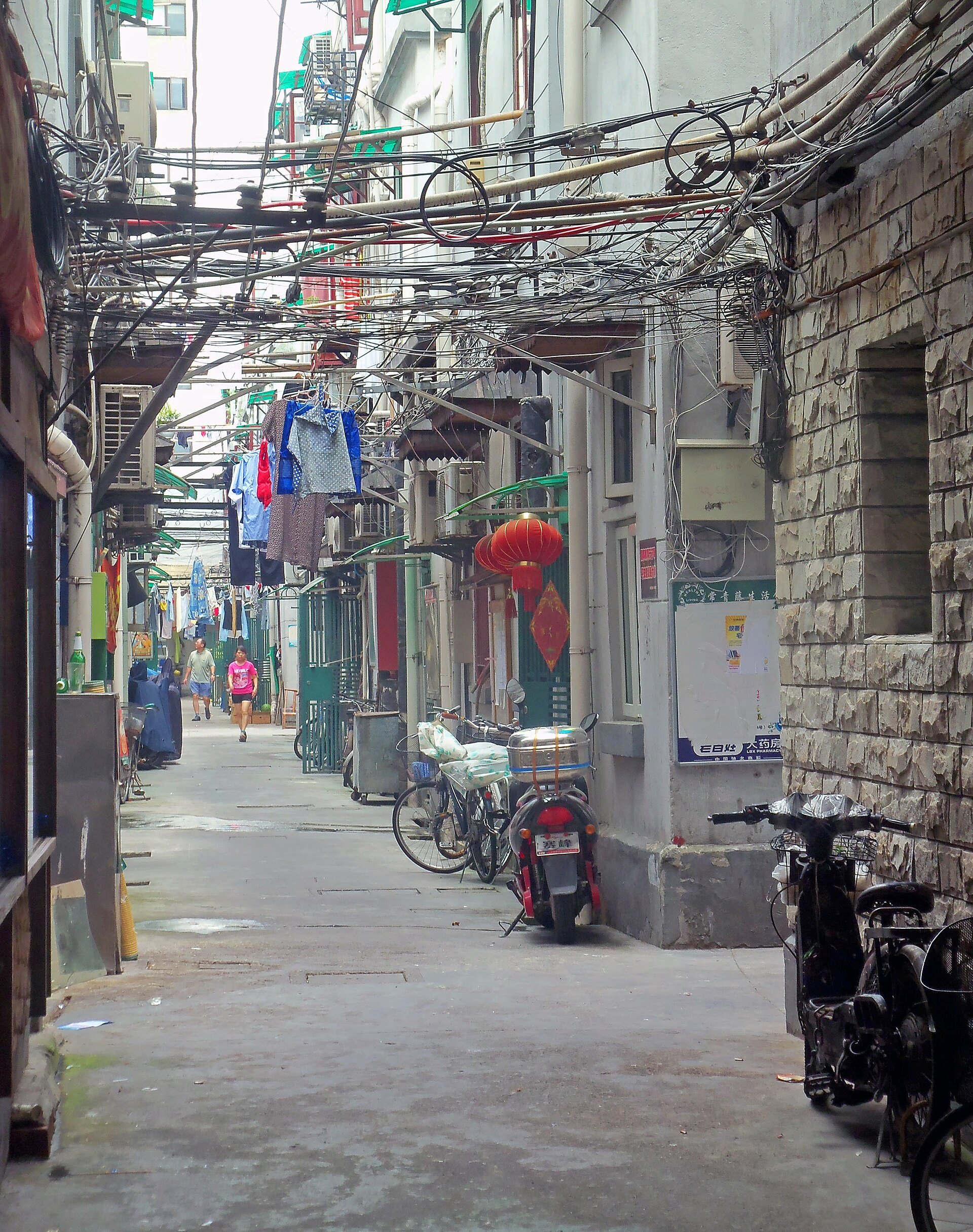

Shikumen means stone-framed gate, and it is the doorway of the terraced lane house that most of Shanghai lived in for a century — a hybrid of the English terrace and the Chinese courtyard house, built in their tens of thousands from the 1860s and arranged in lilong: gated lanes off the street.
At their height they housed the majority of the city’s population. Most have gone, a few blocks are protected, and a great many are still ordinary homes with the plumbing on the outside.
What it costs
⭐ Free. The lanes are public rights of way.
⚠️ But they are homes, not a heritage site. There is no ticket and no signage because nobody is presenting this to you. Walk through, look, do not photograph into windows, and do not go through doorways.
When to go
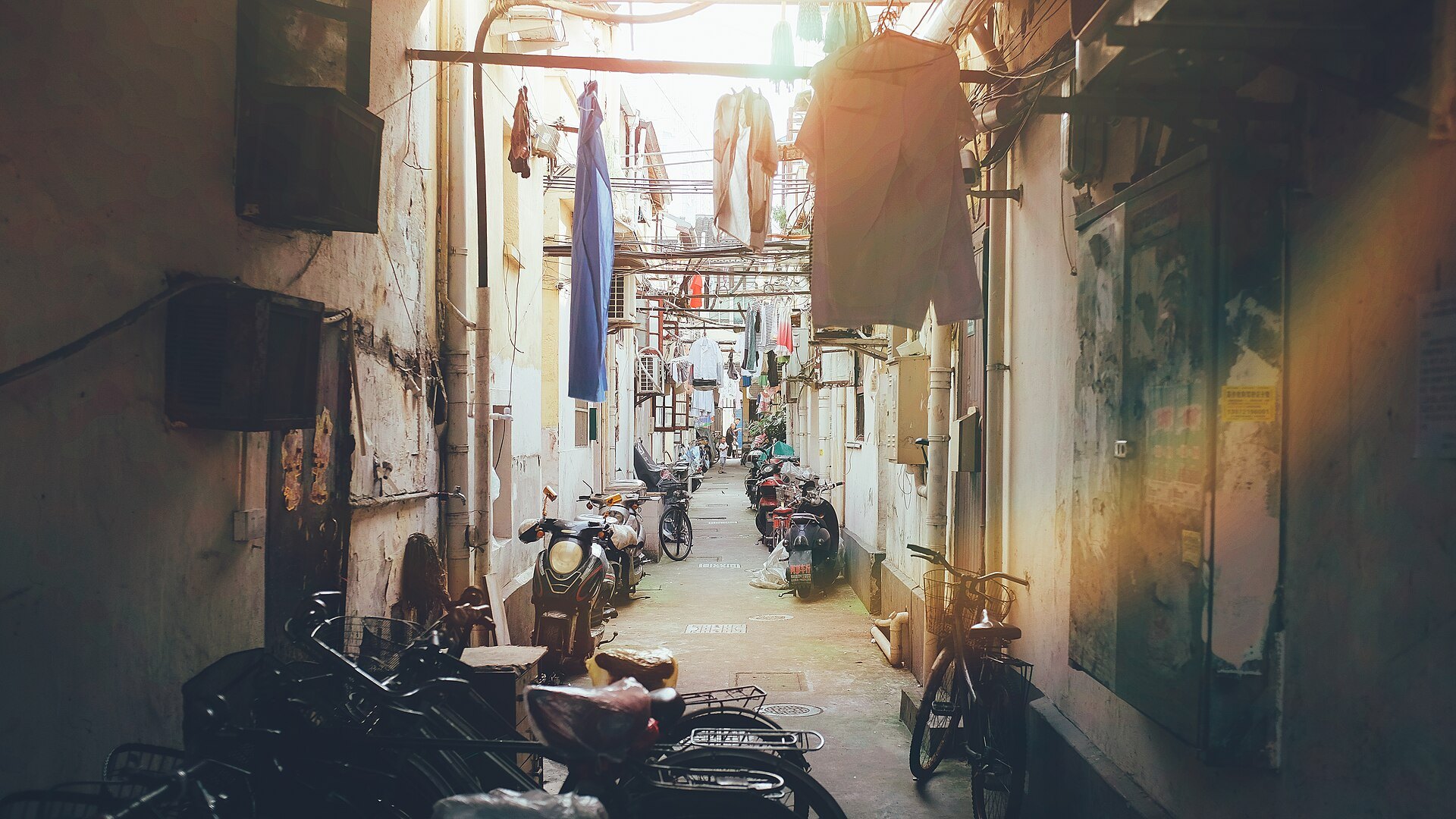
Daytime. Mid-morning is when the lanes are busiest with their own residents, which is the thing worth seeing — laundry, cooking, mahjong and repairs all happening in what is technically a street.

Getting there
There is no single address. The dense surviving blocks are in Huangpu around Laoximen and Yong’an Road, and off Jianguo Road south of Xintiandi. Come out at Laoximen on lines 8 and 10 and walk.

If you only have an hour
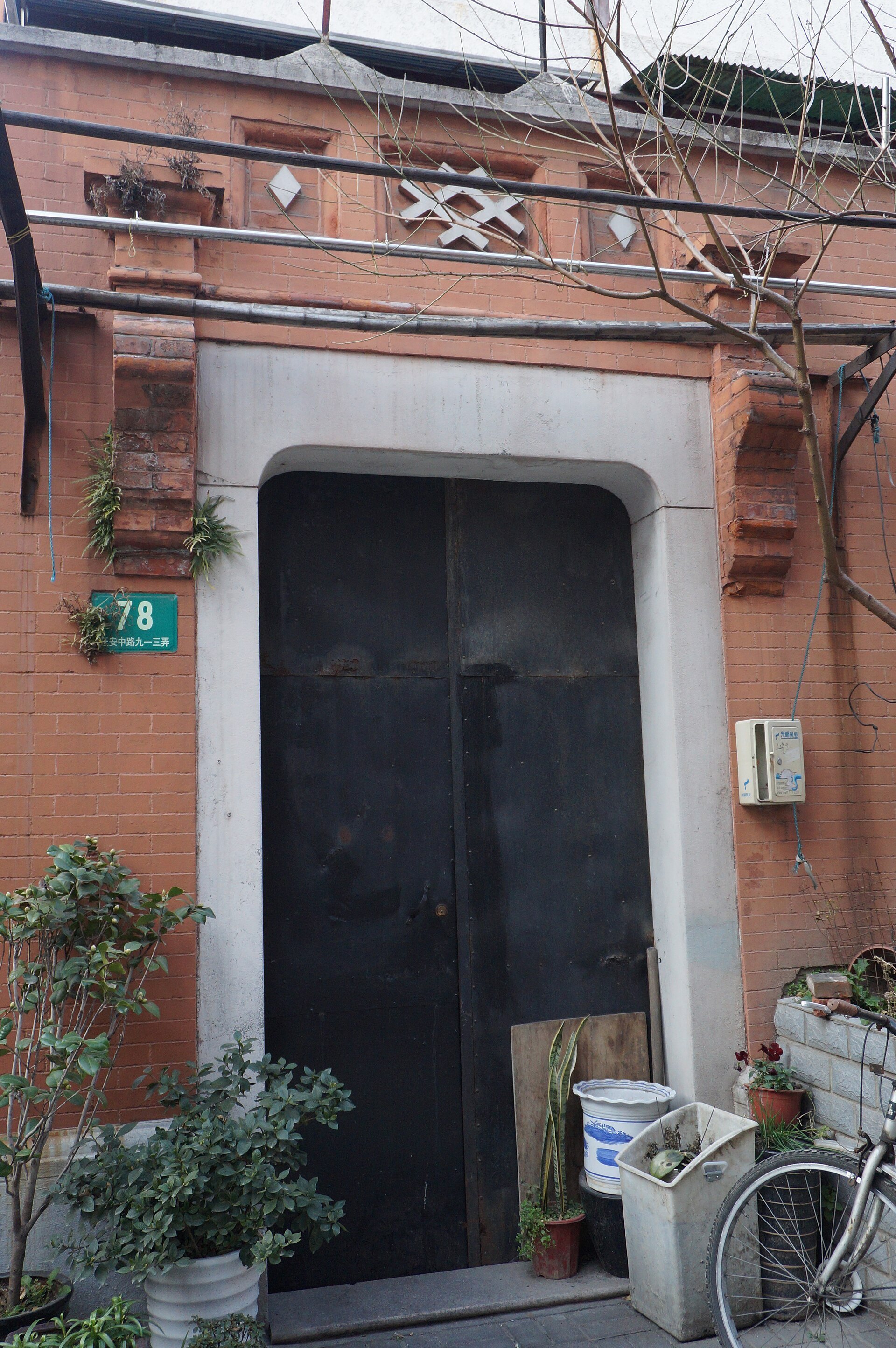
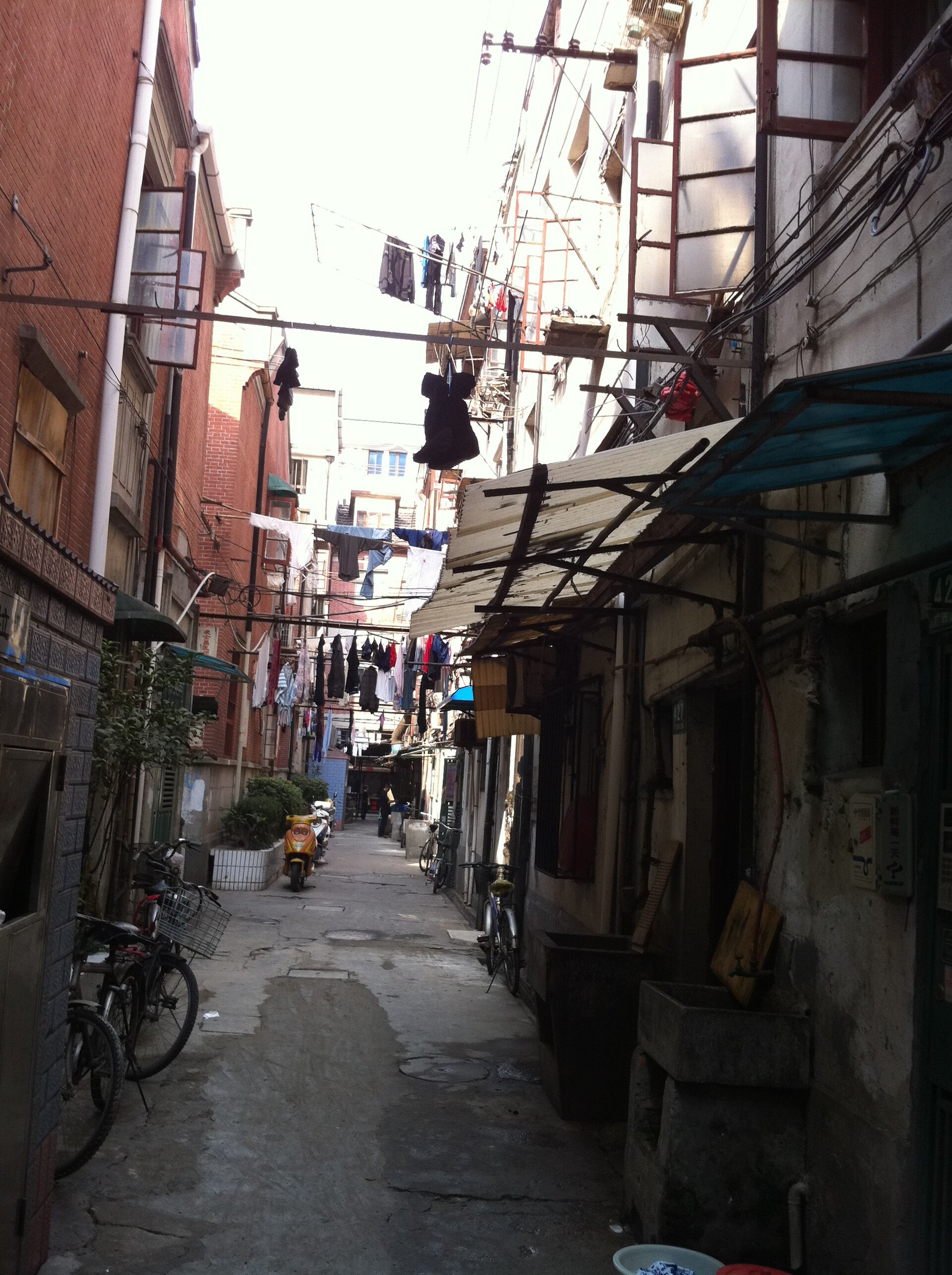
Pick a lane entrance and walk in. The pattern repeats: a gate off the street, a main lane, smaller lanes off it, and the stone-framed doors along both sides. Look at the lintels — the carving above each door is the one place the builders decorated, and no two blocks are the same.
Then compare with Xintiandi, which is the same architecture with money spent on it.
What people get wrong
Treating it as an attraction. It is a neighbourhood, and the reason it is still worth walking is that nobody has turned it into one.

Nearby
Ticketing arrangements, closing days and boat timetables as published and checked on 6 September 2026. These change without much warning — confirm with the place itself before you travel. More sights, and how they fit together, in Landmarks & Sights.