.jpg)
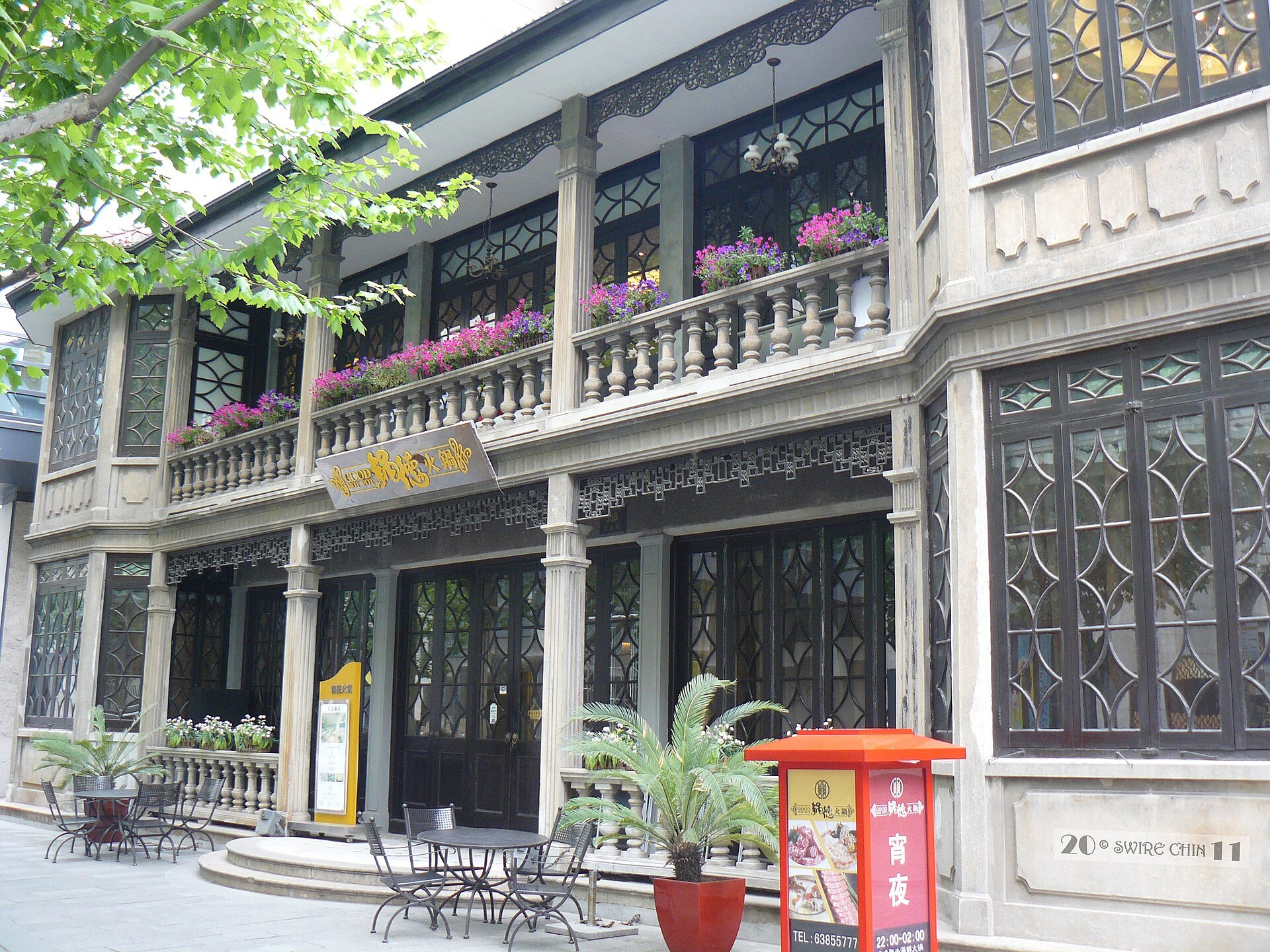
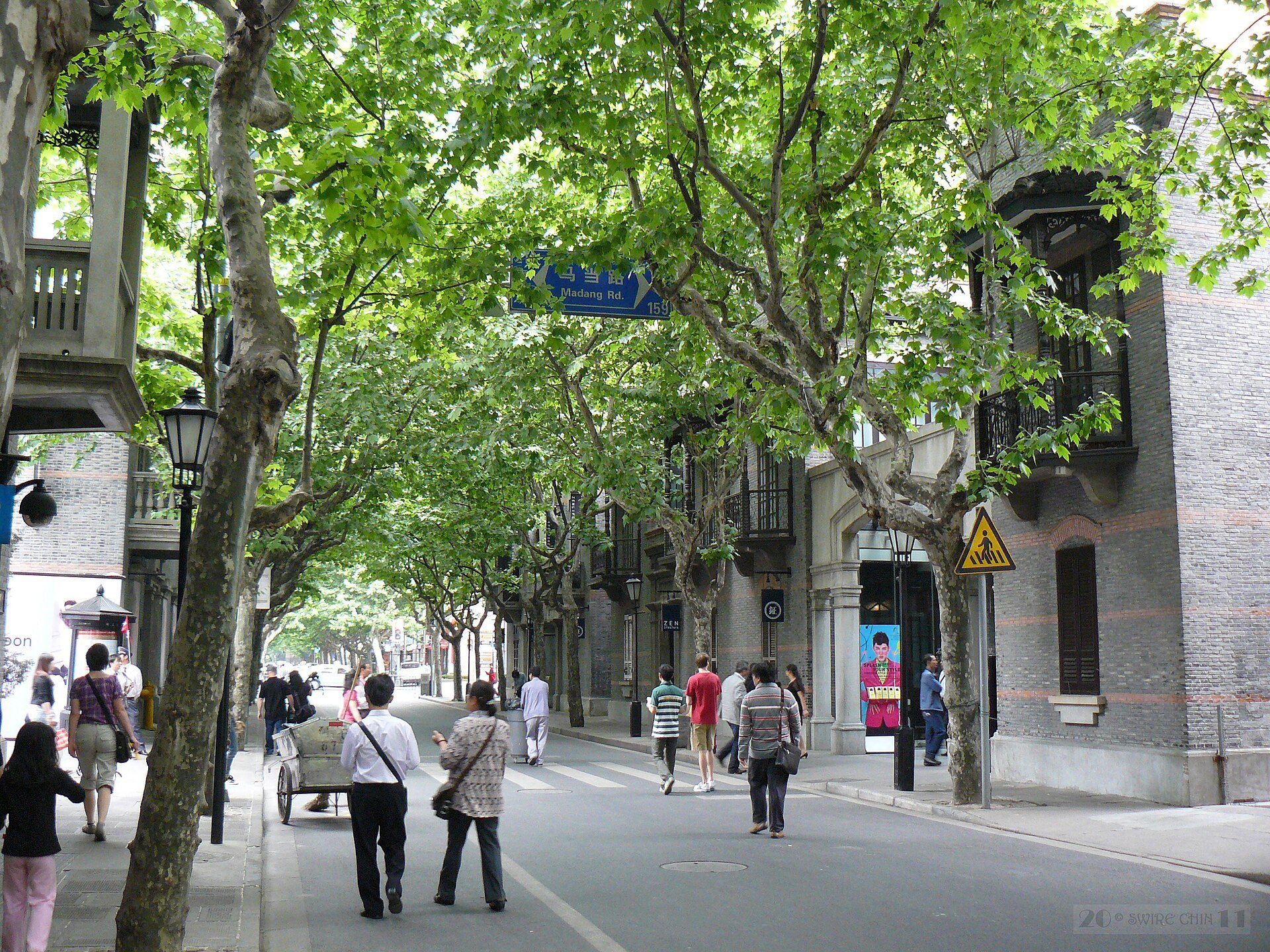
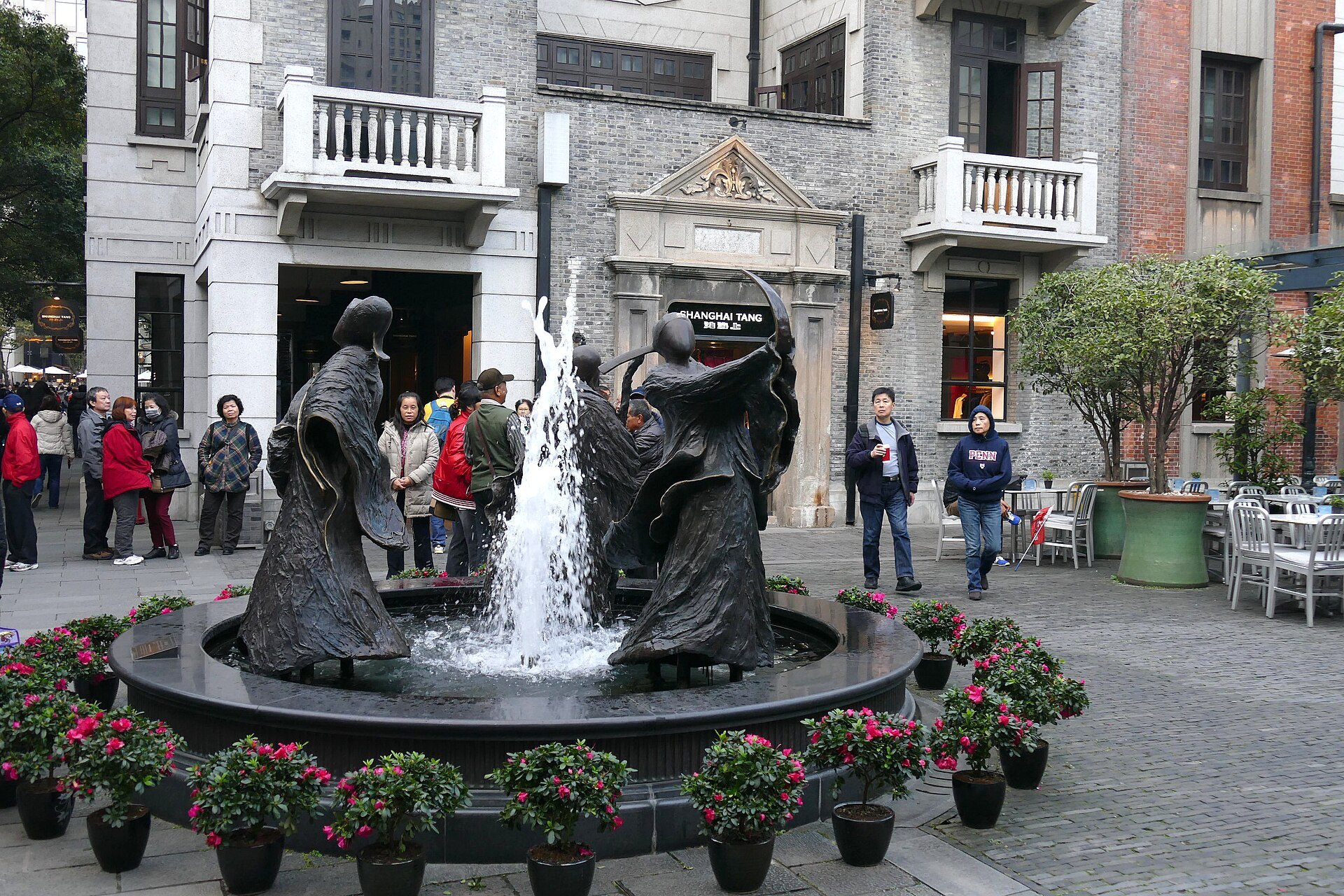
Two blocks of shikumen lane houses stripped back to their brick and stone and rebuilt as a pedestrian precinct of restaurants and shops, opened in 2001. It was the first project in China to treat this architecture as worth keeping rather than clearing, and every similar development in the country since is descended from it.
It is also, unmistakably, a commercial development. Whether that reads as preservation or as a stage set is the argument about Xintiandi, and both sides are right.
What it costs
⭐ Free to walk. The Shikumen Open House Museum is a small admission and is a lane house furnished as a 1920s family would have had it — the single best way to understand what all these buildings were.
⭐ The Site of the First National Congress of the Communist Party is on the same block and is free, though it generally requires a reservation and your passport.
When to go
Evenings are when it is busy and when the restaurants are the point. Daytime is better for looking at the buildings.
.jpg)
Getting there
Xintiandi station on lines 10 and 13, or South Huangpi Road on line 1.

If you only have an hour
Walk both blocks, then the museum, then the Congress site — in that order, because the museum explains the architecture and the Congress site explains why this particular lane was never demolished.
⭐ For the same architecture still lived in rather than restored, walk fifteen minutes south-west into the ordinary lanes around Jianguo Road.
What people get wrong
Judging shikumen by Xintiandi alone. It is the polished version; the real ones are five minutes away and still have laundry over the alley.
.jpg)
Nearby
Ticketing arrangements, closing days and boat timetables as published and checked on 6 September 2026. These change without much warning — confirm with the place itself before you travel. More sights, and how they fit together, in Landmarks & Sights.